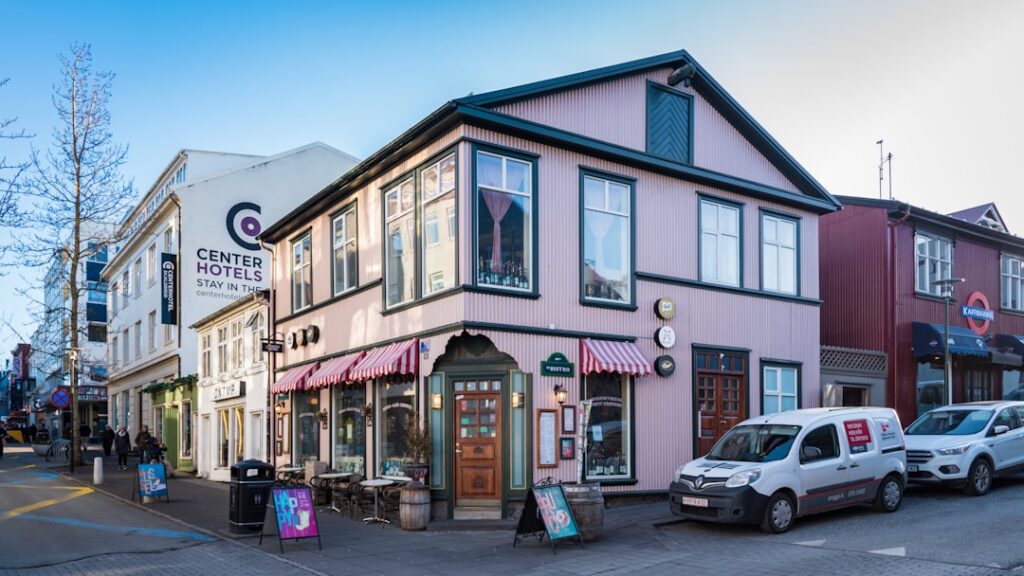






Introduction: Tasting Iceland — a culinary route between sea, hot springs and markets
Iceland isn’t just a land of lunar landscapes, erupting geysers and thundering waterfalls — it’s also a surprisingly vibrant food destination where ultra-fresh seafood, locally raised meats, farmhouse breads and dairy meet an inventive street-food scene. Traveling in Iceland means being open to flavors born from a tough but generous climate, a maritime terroir and age-old preservation techniques (smoking, curing, drying) given a modern twist by creative chefs. This guide lays out a detailed food-focused itinerary for travelers who want to explore markets, restaurants, food trucks and food halls, with exact addresses, opening hours, approximate prices in euros and practical local tips.
Downtown Reykjavík is the perfect starting point: it concentrates the best options to discover Icelandic gastronomy without hours of driving. Kolaportið, the large covered flea market, is a must for sampling specialties like hákarl (fermented shark) or marinated herring, and for tasting an Icelandic take on smörrebrød prepared by local vendors. A short walk away, modern food courts such as Hlemmur Mathöll mix international cuisines with contemporary interpretations of local produce: arctic fish tacos, Icelandic lamb burgers and steaming seafood soups.
Beyond the capital, Iceland delivers tasty stops along the Ring Road (Route 1): small artisan fishmongers selling traditionally smoked salmon, farm cafés serving creamy skyr, and colorful food trucks by popular sights offering Icelandic hot dogs (bæjarins beztu pylsur) or quick seafood dishes. Prices in Iceland are high compared with other European destinations, but with good planning (markets + food trucks + sharing plates) you can build a rich yet budget-friendly food itinerary.
This guide is organized by theme — markets, standout restaurants, food trucks and tasty stops along the road — each section including precise addresses, opening hours, price ranges in euros, immersive descriptions and practical tips (when to go, what to order, how to save). Recommendations favor well-known but accessible spots, as well as quirky options for curious travelers. The goal: that you leave the island not only with images of landscapes, but with memorable taste memories — from the smoky bite of freshly prepared fish to the milky sweetness of a skyr dessert.
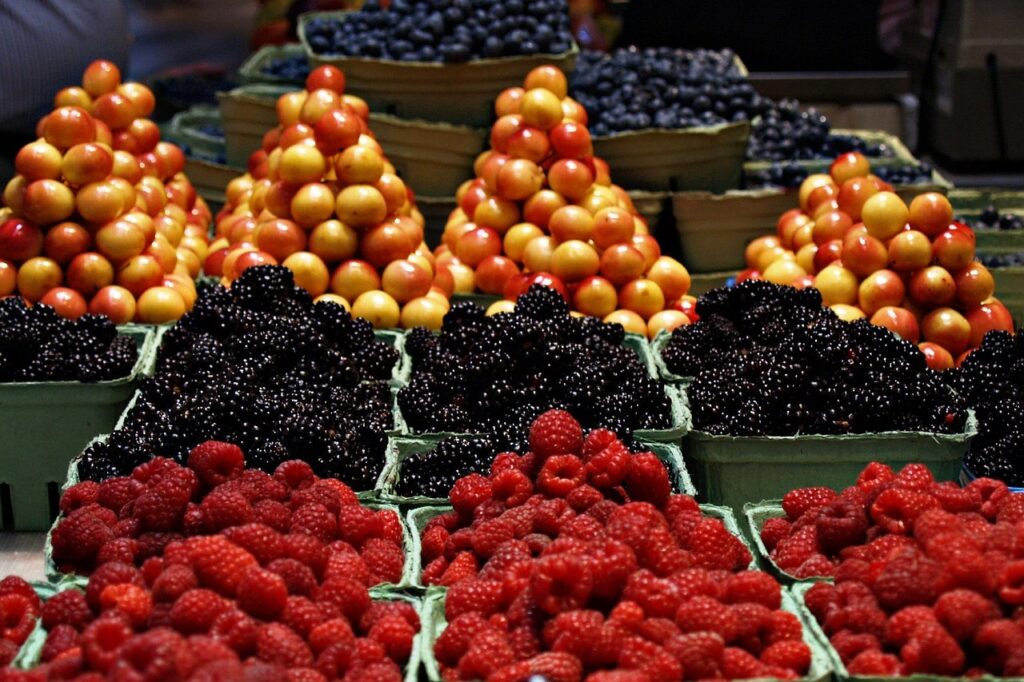
1) Reykjavík’s must-see markets: Kolaportið, Reykjavík Flea & Farmers and Hlemmur Mathöll
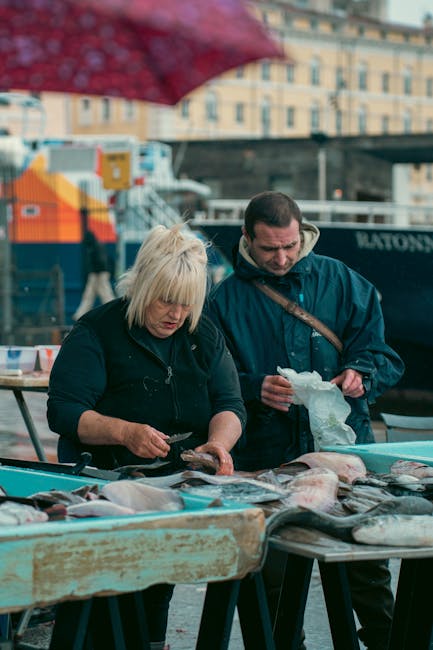
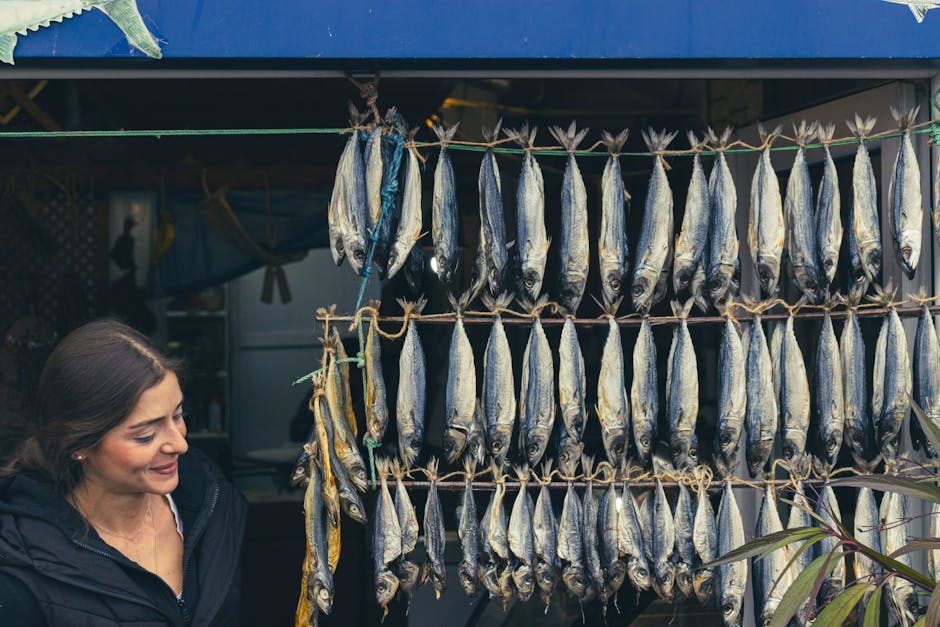
Start your culinary discovery with the markets: they offer the best introduction to Icelandic food, both traditional and modern. The most famous is Kolaportið (Kolaportið Flea Market), a covered market on the old harbor. Address: Kolaportið, Tryggvagata 19, 101 Reykjavík. Opening hours: open Friday to Sunday, 11:00–17:00 (hours may vary by season). Prices: free entry, tastings and small dishes from €3 to €15 depending on the producer (for example smoked salmon portions €6–12, marinated herring sandwiches €4–8). Kolaportið is perfect for trying hákarl (fermented shark) if you dare — small portions €3–5 — and for buying traditional rye bread (rúgbrauð) and local pastries.
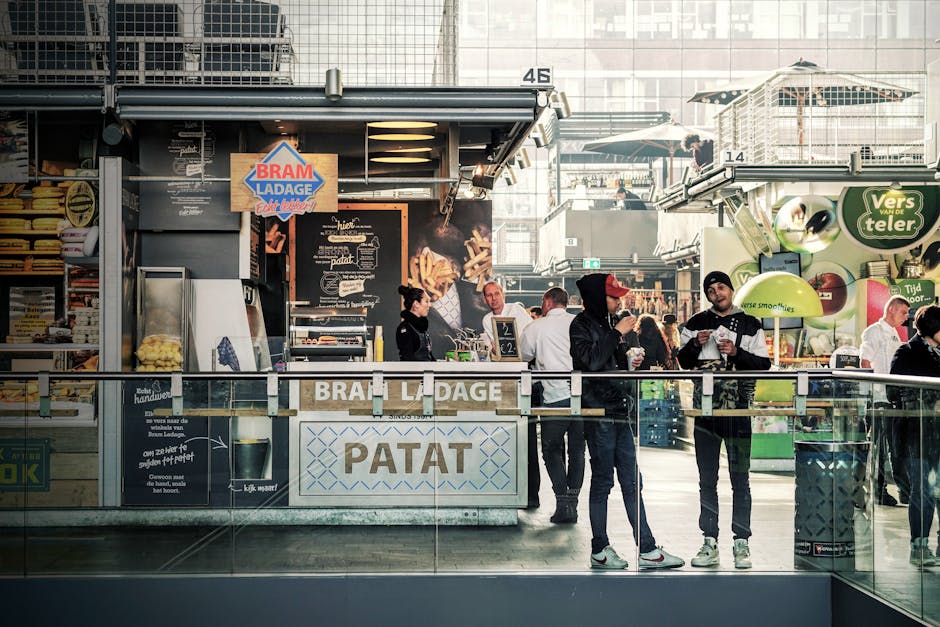
Another essential spot is Hlemmur Mathöll, a modern food hall that brings together street-food stalls and artisan vendors. Address: Hlemmur Mathöll, Laugavegur 107, 105 Reykjavík. Opening hours: open daily, generally 11:00–22:00 (some stalls close earlier on weekdays). Prices: mains €8–22 depending on the specialty (fish tacos €10–14, lamb burgers €12–18, smoked fish bowls €9–16). The vibe is friendly and contemporary; it’s an excellent choice if you’re traveling with a group and everyone wants to try something different.
For farm and artisan products, visit the Farmers’ Market Reykjavík (a local stall at various events and seasonal markets). Regular selling area: Lækjartorg / Austurvöllur area, central Reykjavík (locations vary by season; check times at https://bændamarkaður.is). Opening hours: generally Saturday mornings 09:00–14:00 during the tourist season (May–Sept). Prices: artisanal cheeses and skyr €3–8, jams €4–9, artisan breads €5–10. It’s the ideal place to buy edible souvenirs and speak directly with producers.
Local tips: arrive early to avoid crowds, bring some cash (some small vendors only accept contactless payments while others prefer cash), taste before you buy when possible and ask for pairing suggestions (for example rye bread + salted butter + smoked salmon). If you want to avoid the queue for hákarl, ask a vendor for a small portion served with a local beer to make the tasting easier.
2) Iconic restaurants: Nordic traditions and contemporary tables
For a more structured sit-down experience, Reykjavík and its surroundings offer restaurants that explore Icelandic cuisine at many levels. Here are a few landmark places to include in your route, with addresses, hours and price notes.
Fiskmarkaðurinn (The Fish Market) — Address: Aðalstræti 12, 101 Reykjavík. Opening hours: open Tuesday to Saturday, 17:00–22:00 (lunch some days 12:00–14:00; check reservations). Prices: à la carte menus €30–70 per person; mains €18–35 (tuna tartare €22, seafood sharing platter €45–70). Description: an elegant restaurant focused on seafood and modern cooking techniques (smoking, controlled fermentation). Ingredients often come from small local fishers; the menu changes with the catch. Quiet, polished atmosphere and professional service.
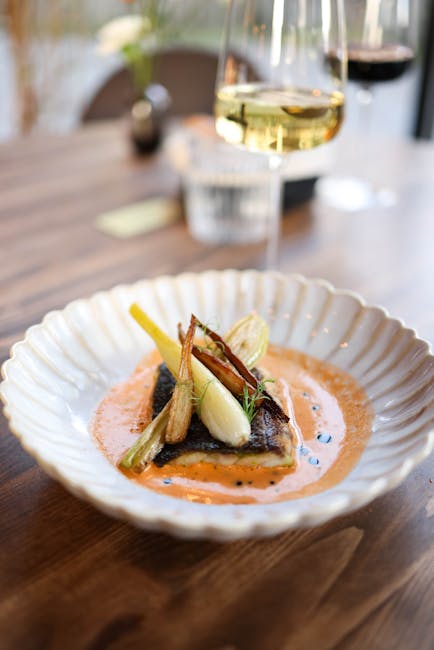
Dill Restaurant — Address: Geirsgata 3, 101 Reykjavík. Opening hours: dinner only, generally Wednesday to Saturday, 18:00–22:00; booking strongly recommended. Prices: tasting menu €95–140 per person (depending on options and wine pairings). Description: Iceland’s first Michelin-starred restaurant (awards may change). Dill offers contemporary Nordic cuisine focused on local produce, wild herbs, seaweeds and fermentation techniques. A gastronomic experience to favor if your budget allows.
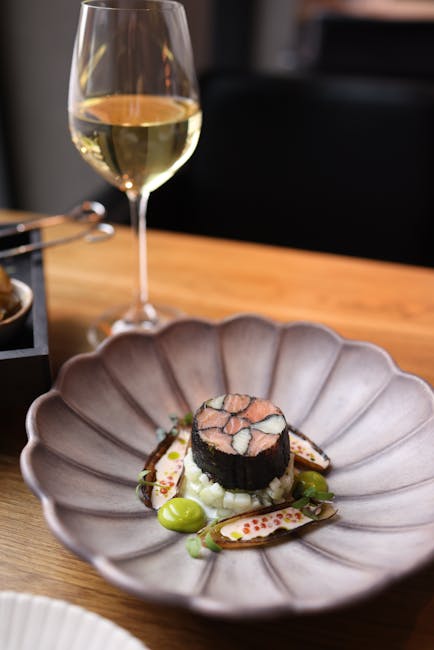
Sægreifinn (The Sea Baron) — Address: Geirsgata 8, 101 Reykjavík. Opening hours: open daily 11:00–20:00 (hours vary with season). Prices: seafood skewers €9–18, lobster soups €12–18, “lobster soup” €9–12. Description: simple, rustic and extremely popular, Sægreifinn is known for its seafood skewers and creamy lobster soup. Located near the harbor, it’s the perfect spot for a comforting meal before heading out to sea.
Tips: for fine-dining restaurants, book at least two weeks ahead in high season; always ask if there are market or daily specials (seasonality strongly affects availability). If you’re on a tight budget, balance one standout dinner with market lunches or food-truck meals to keep costs manageable.
3) Legendary food trucks and street stalls: from the iconic hot dog to creative street bites
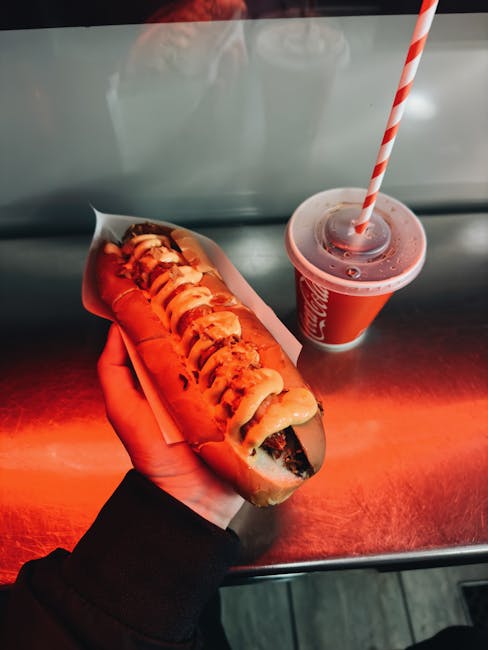
Iceland’s street food scene centers on a few icons and creative food trucks serving simple but memorable dishes. The historic must-try is Bæjarins Beztu Pylsur, the hot-dog stand often ranked among the world’s best. Address: Bæjarins Beztu Pylsur, Tryggvagata 1, 101 Reykjavík (near the harbor). Opening hours: generally open daily 11:00–23:00 (hours may vary). Prices: classic hot dog €3–4; hot dog + drink €5–6. Description: tiny stand, expect a line at any hour but quick service. Hot dogs are topped with fried onions, ketchup, sweet mustard and a shrimp-based sauce — a uniquely Icelandic mix.
Another street staple to know: The Lobster Truck (truck or dock stall depending on season) — location varies, often near Grandi Harbor. Opening hours: generally midday–20:00; check social media for that day’s location. Prices: lobster soup portions €8–14, lobster rolls €12–18. Description: generous portions, rich creamy flavor — perfect for a warming break on a cold day.
Markets and festivals often host food trucks offering arctic fish tacos, smoked salmon bowls and skyr-based desserts. Examples include the “Reykjavik Food Walks” festival and seasonal street markets that welcome trucks like “Icelandic Fish & Chips” (Reykjavík harbor) or pop-ups such as “Mamma’s Fish Soup.” Approximate prices: fish & chips €10–16, bowls €9–15, desserts €4–7.
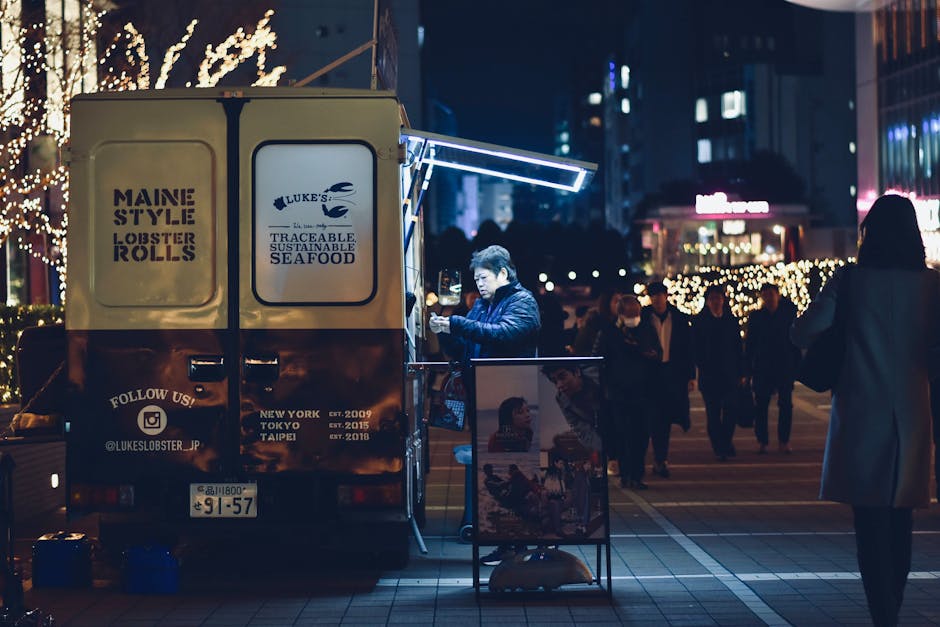
Local tips: follow local accounts on Instagram or Facebook to track food-truck locations (many move with the wind and season). If you’re sensitive to the cold, look for trucks that provide sheltered spots or nearby heated benches (some harbor areas have covered zones). Finally, try local combos (hot dog + Icelandic beer) for an authentic taste.
4) Tasty stops along Route 1 and beyond Reykjavík
If you’re driving the Ring Road (Route 1) or exploring regions like the Golden Circle, the South or the North, there are food stops worth a detour. Rural Iceland relies on high-quality local produce: freshly caught fish, pasture-raised lamb and mutton, farmhouse dairy and wood-fired breads. Here are practical addresses and stops.
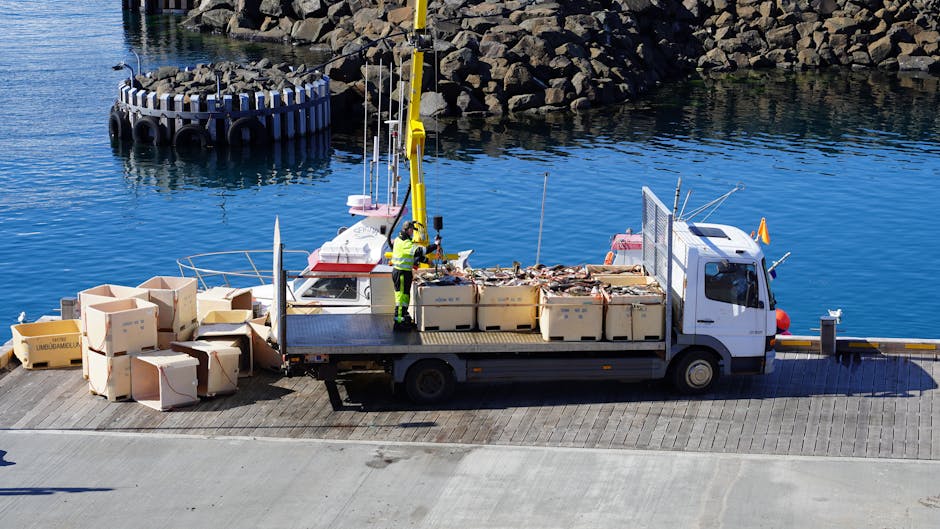
Seyðisfjörður Fish Market / Sjávarréttir Seyðisfjarðar — Address: Austurkvíabryggja, Seyðisfjörður 710 (Eastfjords). Opening hours: seasonal, generally 11:00–18:00 (May–Sept). Prices: fish dishes €10–22, tasting platters €20–35. Description: a small eastern port village known for artisanal fishing. The village vibe pairs with high-quality produce; try a smoked salmon sandwich or a shellfish plate.
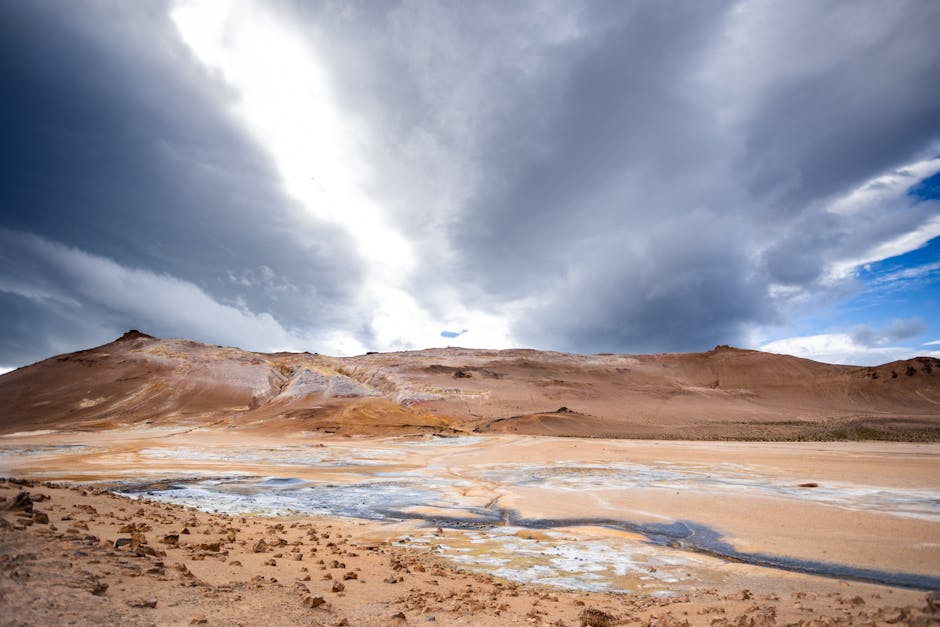
Mývatn Nature Baths Café — Address: Jarðbaðshólar, 660 Mývatn. Opening hours: café open 09:00–20:00 (hours vary by season and visitor levels). Prices: soups and snacks €7–15, desserts/skyr €4–8. Description: perfect for a break after geothermal baths; the menu features comforting hot dishes made with local ingredients. Ideal for warming up while enjoying natural views.
Akureyri — local market and small restaurants: Akureyri Market (Akraness area) and stands near the harbor. Example spot: Bryggjan Brasserie, Strandgata 2, 600 Akureyri. Opening hours: 11:00–21:00 depending on season. Prices: mains €12–25. Description: Akureyri combines a polished tourist offer with fjord-fresh produce; it’s a good stop if you’re exploring the north.
Road tips: bring card payment (most Icelandic places accept cards, sometimes only cards), pack a small cooler if you buy fish or meat for the road (some fishmongers offer insulated packaging for a small extra fee, €2–5), and pay attention to opening hours — many small stops close early (16:00–18:00). To save money, plan a large picnic from market finds combined with one or two restaurant meals.
Conclusion: Putting together your Icelandic food itinerary
Iceland offers a wide culinary palette that goes far beyond travel clichés. Between covered markets like Kolaportið, contemporary halls like Hlemmur Mathöll, fine restaurants and popular food trucks, you can craft a food trail to suit any budget and travel style. Markets let you taste both authenticity (hákarl, marinated herring, rúgbrauð) and accessibility (Icelandic smørrebrød, takeaway smoked salmon portions). Iconic restaurants provide refined gastronomic experiences, often based on local ingredients transformed by modern techniques: smoking, fermentation, and the use of seaweeds and wild herbs. Food trucks and stalls give you fast, comforting and often economical options — the Bæjarins Beztu Pylsur hot dog is the simplest yet most essential example.
To make the most of this guide: mix markets (for breakfasts and purchases), food halls (for friendly lunches) and at least one fine dining dinner (if your budget allows). If you head outside Reykjavík, scout stops along Route 1 in advance, since small villages close early. Bring a cooler for fresh buys, follow food trucks on social media to find them, and reserve popular restaurants ahead. Finally, remember that Iceland values product quality and seasonality — accepting the day’s menu often means tasting something exceptional.
Happy travels and happy tasting: may your palate remember the smoky bite of fish hauled from the harbor that morning, the kick of an Icelandic hot dog in a northern breeze, or the finesse of a contemporary Nordic dish served in a minimalist setting. This guide gives you the keys to build a realistic, delicious route: mix, taste, share — and bring home a few market specialties to keep the trip alive.