





Introduction — Why this article matters for your Iceland budget
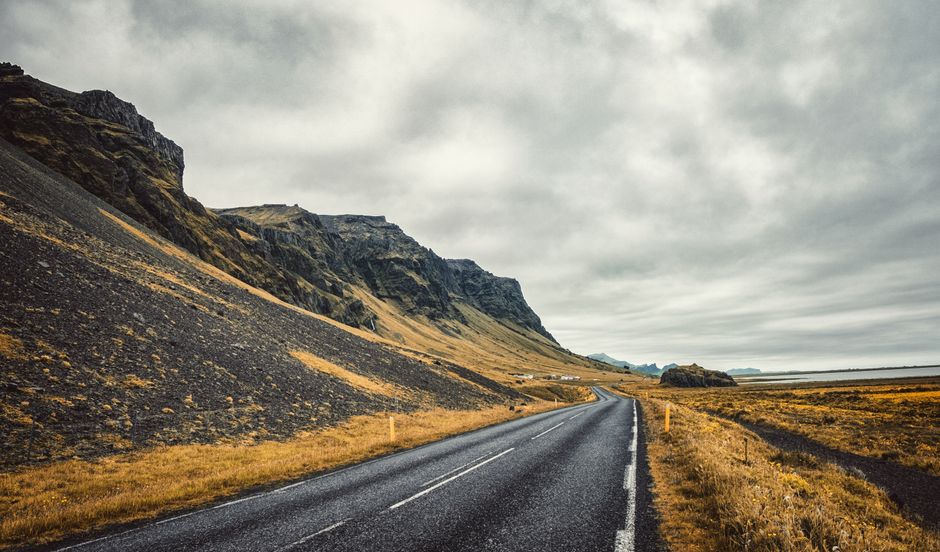
Driving around Iceland promises lunar landscapes, massive waterfalls, jagged fjords and roads that wind between volcanoes and glaciers. But beneath that dream lie practical realities: poorly maintained secondary roads, river crossings, expensive ferries, mandatory insurance depending on road type, and paid parking at popular sites. Without proper planning, a car trip can quickly cost far more than you expected. This article aims to pinpoint the Icelandic back roads to avoid if you want to limit unexpected expenses and protect your budget.
We’ll cover roads that are often misunderstood: the « F-roads » (mountain routes only suitable for 4x4s), some coastal roads that require private ferries, and secondary tracks near popular sites where parking fees or fines can apply. I’ll give you exact rental office addresses, useful opening hours, indicative prices in euros (to make calculations easier), and vivid descriptions so you know exactly what you’re exposing your vehicle and wallet to. You’ll also find practical money-saving tips: which extra insurance options are worth it, when to fill up (approximate prices in euros per liter), and how to plan drives to avoid hidden tolls or ferry crossings.
This guide is written with professional detail and real examples: rental offices in Reykjavík (addresses and hours), typical ferry rates (car + passengers), insurance option prices at agencies or online, and local recommendations validated by experienced travelers. It also includes on-the-ground descriptions: what a river crossing on an F-road feels like, how a sudden rainstorm turns a gravel track into a challenge, or why an apparently quiet coastline can force you into an expensive detour. Far removed from tourist slogans, this piece aims to give you practical tools to make informed choices, reduce surprises, and enjoy Iceland without breaking the bank.
Why avoid certain back roads: financial and logistical risks
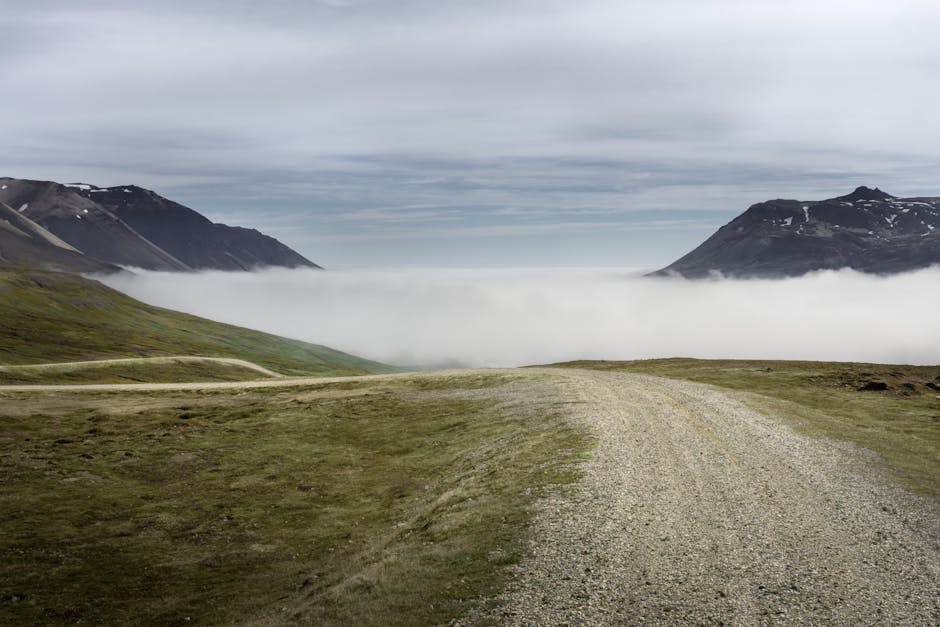
Iceland’s back roads often have less obvious numbers than Route 1 (the Ring Road), but their impact on your budget can be significant. The main financial risks are: vehicle damage on unpaved roads leading to high insurance excesses, the need for a 4×4 with an extra daily charge (around €15–40 per day depending on the renter), river crossings not covered by the rental agency, renting extra equipment (GPS, chains, « gravel insurance » packs), paid coastal ferries, and private parking or gated areas with entrance fees.
Concrete examples: Avis Reykjavik car rental office, Borgartún 27, 105 Reykjavík — opening hours: Mon–Fri 08:00–18:00, Sat 09:00–15:00; indicative rates: compact car (Toyota Yaris or similar) ≈ €35–60/day excluding insurance, 4×4 (Dacia Duster/Jeep) ≈ €70–140/day depending on season. The « gravel protection » insurance often offered at agencies typically costs €15–25/day and reduces the excess in case of gravel damage. Without this option, a stone hitting your windshield can cost €400–1200 in excesses and repairs.
Another example: fuel — N1 Bæjarháls station, Bæjarháls 1, 110 Reykjavík — open 24/7. Average petrol/diesel price: €1.75–2.05/liter (seasonal variation). Avoid driving long, sparsely populated secondary roads without a full tank: the extra cost of fuel is negligible compared to a breakdown and towing. Finally, some back roads lead to private car parks or toll accesses (for example paid access to Þakgil or some private campsites): plan for €5–25 for daily parking depending on the site.
F-roads to avoid at all costs unless you have an experienced 4×4
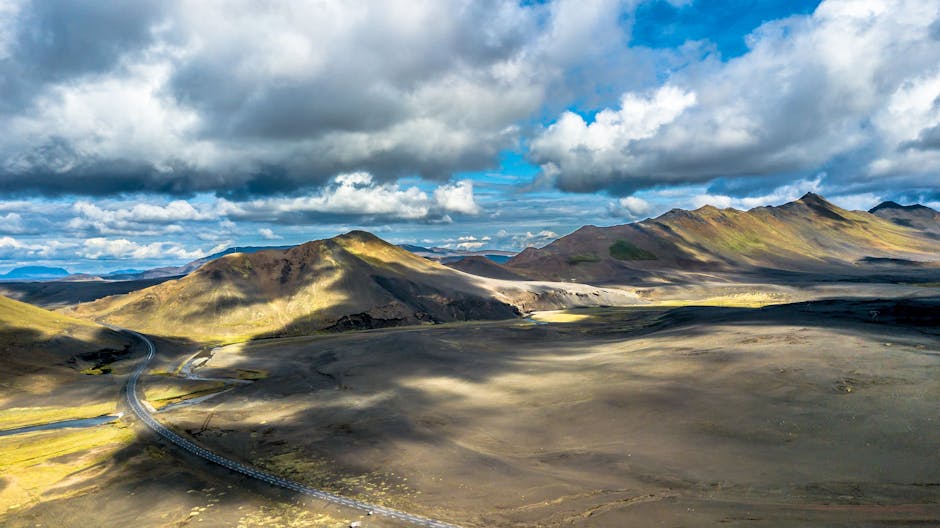
F-roads (roads prefixed with an F) cross Iceland’s highlands and are inherently unpredictable: unbridged river crossings, volcanic surfaces, patches of quicksand-like sand, and rapidly changing weather. These roads are closed in winter and are only recommended for specially insured 4×4 vehicles. If your goal is to save money, strictly avoid planning routes that include them—associated costs can be significant.
- F35 — Kjalvegur: an inland route between Hrauneyjar and Biskupstungnabraut; often lacks bridges over small rivers. Risks: getting stuck, suspension damage. Potential costs: towing ≈ €300–900, excess for damage ≈ €800–1,500 without gravel/river protection.
- F26 — Sprengisandur: central route across the sand and gravel desert, linking the Mýrdalur region northwards (between Landmannalaugar and Mývatn). Exposure: total lack of infrastructure, long stretches with no mobile coverage. Recommended rental: specialist 4×4 agency (Iceland 4×4), address: Klettagarðar 3, 104 Reykjavík — hours 09:00–17:00; specialized 4×4 rates ≈ €120–250/day.
- F208 & F225 — Fjallabak and Landmannalaugar: popular but demanding access; frequent river crossings and a need for high-clearance vehicles. Undercarriage damage is common. If you really want to see the area, opt for a guided tour instead (Landmannalaugar day trip from Reykjavík ≈ €80–150 per person).
- F232 — Þórsmörk (Thorsmork): mountain roads with numerous fords. Towing and vehicle recovery are particularly expensive and can exceed €1,000–2,500 if helicopter or extensive rescue is required.
Practical tip: if your route includes an F-road, always check current conditions on road.is (official site) and call your rental company to confirm insurance coverage. Reputable rental companies (Hertz, Europcar, Blue Car Rental) often have clauses excluding coverage on F-roads. In the event of an accident or an unauthorized river crossing, you may lose all insurance coverage and be charged the full cost.
Coastal roads and ferries: where a shortcut gets expensive
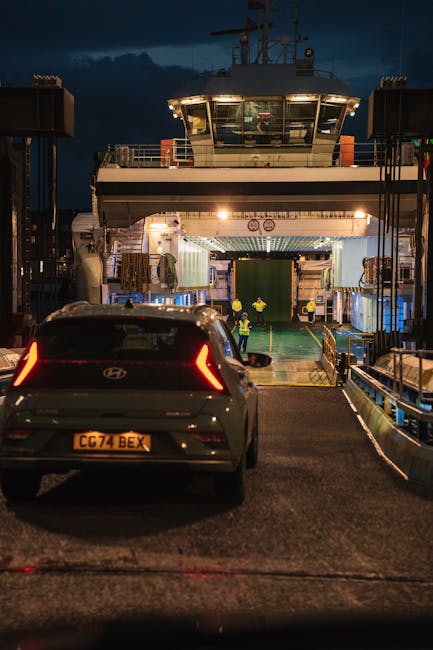
Some secondary coastal routes require taking a ferry to save time or reach a peninsula — this option can seem convenient but be costly. In particular, connections to the Westfjords and certain islands require paid crossings which, added to fuel and time, can make your bill climb quickly.
- Ferry Baldur — Stykkishólmur ↔ Brjánslækur: operator Seatours, departs from Stykkishólmur harbour, Address: Aðalstræti 23, 340 Stykkishólmur. Runs March to October, frequency 1–3 times a day (check seatours.is). Indicative prices: car + driver ≈ €100–180 per crossing, additional passengers ≈ €15–40 per person. If you try to avoid this cost, the detour via Route 1 and inland bridges will increase fuel and travel time.
- Ferry to Vestmannaeyjar (Heimaey): departs from Landeyjahöfn or Þorlákshöfn. Operator: Eimskip/Herjólfur, booking office: Herjólfur Office: Hverfisgata 17, 108 Reykjavík; schedules vary, prices: car + driver ≈ €85–150, passenger ≈ €25–45.
- Coastal roads in the Westfjords (e.g., secondary Route 61): narrow lanes, single bridges and frequent detours. Small local operators may charge a passage fee or access fee at private ferry points (€5–30). Towing in these areas is lengthy and expensive (often > €700).
Local tip: book ferries in advance during the high season (May–Sept) to avoid surcharges. Compare the ferry price (e.g. Baldur €120) with the extra 2–3 hours of driving and additional fuel (€20–50): sometimes the ferry is cheaper, sometimes not. When in doubt, calculate the total cost (hours of driving × hourly travel cost + fuel + any tolls).
Practical tips to save on the road — insurance, timing, parking
Here are tried-and-true local tips to avoid paying too much on your Iceland road trip:
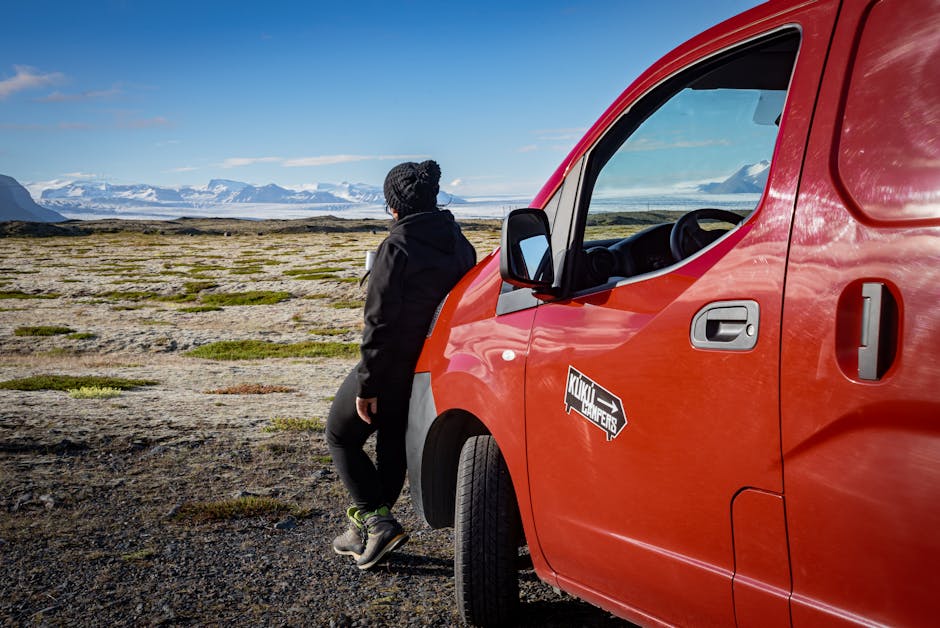
- Pick the right vehicle: for the Ring Road and most coastal attractions, a compact car or a non-4×4 SUV is sufficient. Renting a 4×4 raises the daily rate by €30–70. Useful address: Blue Car Rental, Reykjavik Airport, Flugvellir 3, 101 Reykjavík — hours 07:00–19:00. Check the « allowed on F-roads » note if you’re planning those routes.
- Insurance: opt for gravel protection (€15–25/day) if you’ll be driving frequently on gravel roads. A specific « sand and ash » policy may be necessary in case of volcanic activity. Without suitable insurance, excesses can exceed €1,000.
- Parking: in Reykjavík, street parking on Austurstræti / Laugavegur is metered ≈ €2–3/hour; pay via the Parka app (hours: 09:00–18:00). At tourist car parks (Gullfoss, Sólheimasandur plane parking), plan for €3–10 for daily parking or shuttle fees.
- Timing and seasons: travel off-season if possible (April–May, Sept–Oct) to avoid crowds, high prices and mandatory ferry bookings. Some secondary roads close or have restrictions in wet weather: road.is and safetravel.is are your real-time resources.
- Equipment: avoid buying gear in Iceland (prices are high) — bring chains, waterproof clothing and a basic repair kit. If you get a flat, fixing it yourself on the spot is cheaper than calling roadside assistance if you’re prepared.
Conclusion — Plan, compare, and avoid nasty surprises
Driving in Iceland can be as affordable or as luxurious as you choose. Back roads offer unforgettable scenery but hide financial traps: ferry fees, high insurance excesses, costly tows, and private parking charges. By systematically avoiding F-roads without a 4×4 and routes that require unplanned paid crossings, you’ll significantly reduce the risk of unexpected bills. Budget realistically: vehicle rental (e.g. €35–140/day depending on category), insurance options (€15–25/day), fuel (~€1.75–2.05/L), and ferry fares (€85–180 for car + driver depending on crossing).
Before you go, check road.is for road conditions, book ferries and campsites in high season, and explicitly ask your rental agency whether driving on secondary roads is covered. Use the Reykjavík rental offices to clarify terms: Avis Reykjavik, Borgartún 27, 105 Reykjavík (Mon–Fri 08:00–18:00) or Blue Car Rental, Flugvellir 3, 101 Reykjavík (07:00–19:00). Finally, adopt a prevention mindset: a small investment (gravel insurance, proper equipment) can prevent a single large expense (repairs, towing). Follow these tips and your Iceland road trip will remain a treasured memory without blowing your budget.