



Introduction — The anti-guide to visiting Iceland without the crowds
Despite its rising popularity, Iceland still offers wild expanses, black-sand beaches and solitary mountains. But experiencing Iceland responsibly while avoiding the crowds takes some strategy: pick the right times, choose lesser-known variants of classic routes, and understand local costs and schedules. This anti-guide isn’t a list of secret spots closed to visitors, but a pragmatic handbook to see the must-sees — Gullfoss, the Golden Circle, the South Coast, the Blue Lagoon and the Snæfellsnes Peninsula — while minimizing crowding and impact.
You’ll find precise locations (as commonly listed), price ranges in euros, typical opening hours, immersive descriptions and tried-and-true local tips. Prices in euros make comparisons easier for European travelers; remember Iceland’s currency is the Icelandic króna (ISK) and figures can vary with exchange rates, seasons and extra services (parking, guides, equipment).
This guide takes a responsible approach: favor off-peak hours (early morning and late evening), pick less-traveled trail variants, equip yourself to walk beyond overcrowded car parks, and consider nearby but less publicized alternatives. You’ll also get practical recommendations: where to park, how much a ticket costs, when to book a guided tour, and how to read Icelandic safety signs. Addresses are given as reference points or visitor centers; many natural sites don’t have a conventional street address but rather coordinates or the name of the nearest road.
At the end of the article you’ll find tips for photographers, ideal time windows for each site and advice to minimize your environmental footprint. Iceland’s weather can change in minutes, light conditions strongly shape the experience (endless summer twilight, long winter nights), and how visitors and locals coexist depends on our ability to respect spaces and rules. This guide is designed to let you enjoy the classics without giving up the intimacy of Iceland’s landscapes.
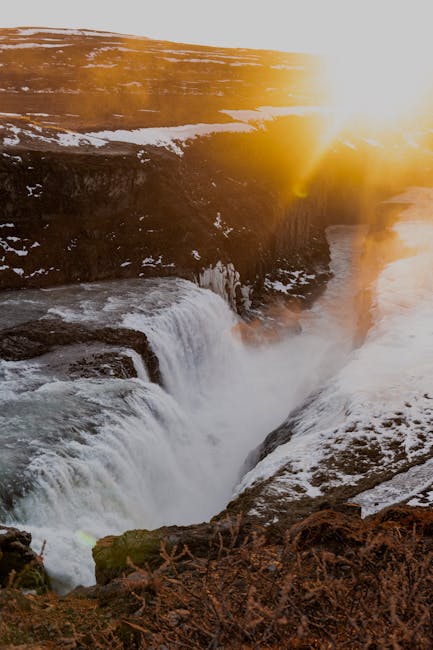
1. A reworked Golden Circle: how to see Gullfoss, Geysir and Þingvellir away from the crowds
The « Golden Circle » groups three must-see spots on a loop from Reykjavík, but it’s also one of the busiest areas. The classic route (Reykjavík → Þingvellir → Geysir → Gullfoss → back) concentrates buses and private cars during the day. To avoid the masses, choose your timing and variants: arrive at sunrise, visit the loop in reverse, or start from Selfoss to bypass the busiest traffic.
Þingvellir (Þingvellir National Park) — Address and opening hours
Address: Þingvellir National Park Visitor Centre, Þingvellavegur, 801 Selfoss, Iceland.
Hours: Visitor centre usually open 09:00–18:00 in summer (May–Sept), 09:00–16:00 in low season; the park itself is open 24/7.
Price: Parking at the Visitor Centre: around €5–€7 (free if you only make a short walk and use an alternate free parking area); park entrance: free (fees apply for some guided activities).
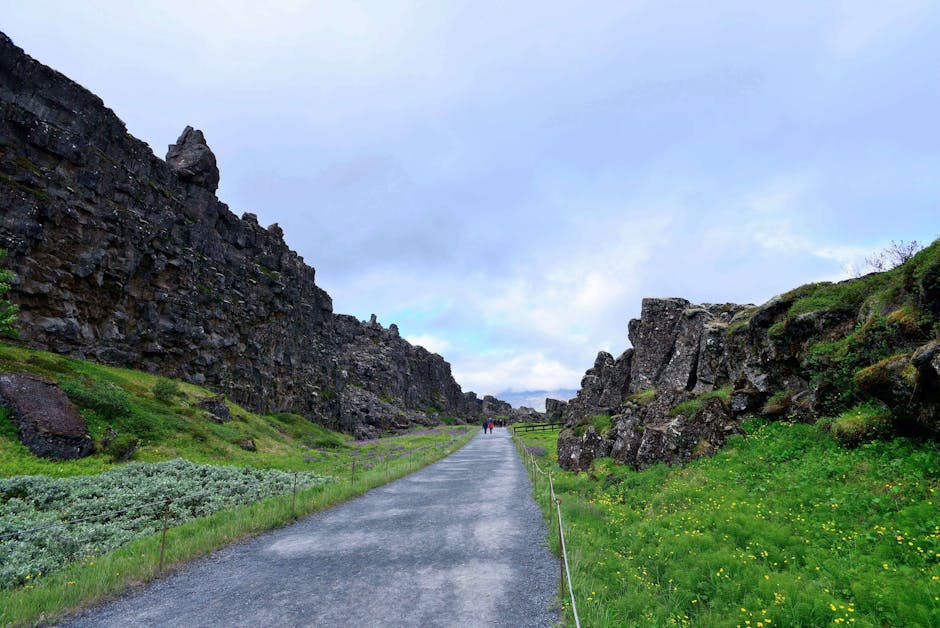
Immersive description: walk early morning along the rift between the Eurasian and North American tectonic plates, listen to the wind whistling through stunted birches and watch light filter across Þingvallavatn lake. Avoid the large Visitor Centre car park at peak times: use the small Almannagjá car park (coordinates at the trailhead) and follow secondary paths to less-traveled viewpoints.
Geysir and Haukadalur — Address and tips
Address: Geysir Geothermal Area, Haukadalsvegur, 806 Geysir, Iceland.
Hours: Natural area open 24/7; visitor centre and cafés roughly 09:00–17:00 (times vary off-season).
Price: Free entry; paid parking: ≈ €4–€6; some local demonstrations and small museums may charge €5–€10.
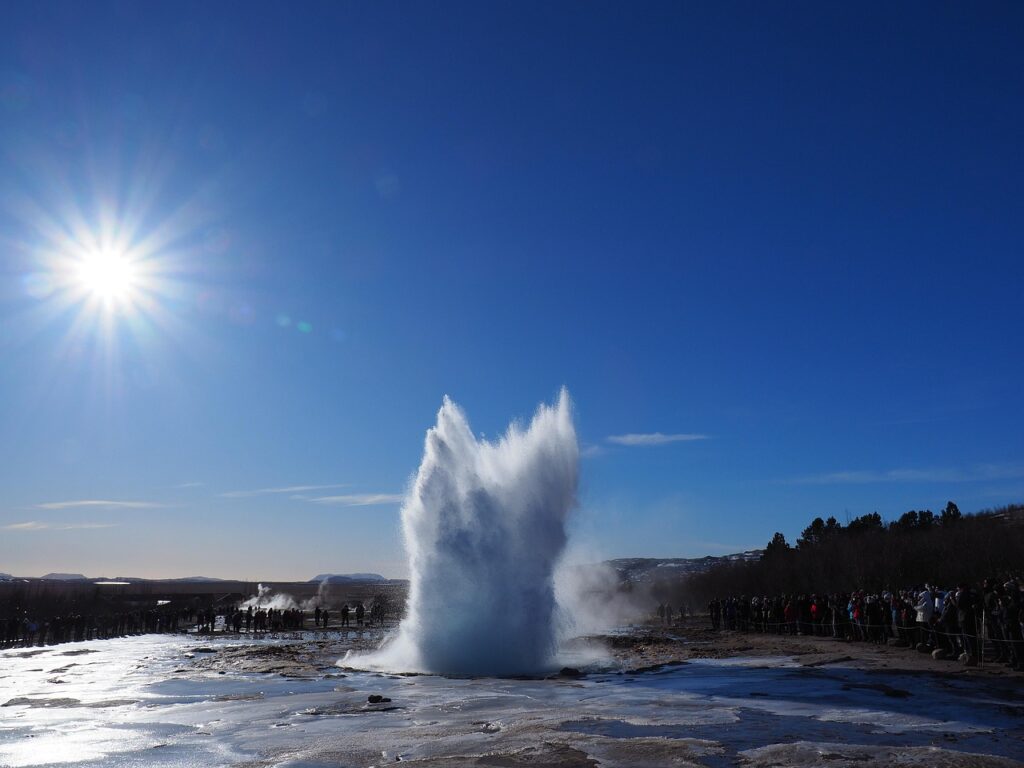
The geothermal area is loud and can be crowded. For a calmer experience, visit just before 09:00 or after 18:00 (in summer), when most coach tours haven’t yet arrived or have already left. If you want a less overbooked geyser, stroll toward the edges of the geothermal field to find small bubbling pots and quieter fumaroles. Always stay on the boardwalks — the crust is fragile and dangerous.
Gullfoss — Address, hours and crowd-beating tactics
Address: Gullfoss Waterfall, Hvítárbraut, 801 Selfoss, Iceland.
Hours: Access 24/7; visitor centre and shop: 08:00–20:00 in high season, reduced hours in winter.
Price: Free entry; parking: ≈ €5–€8; guided visits or privileged access: €30–€70.
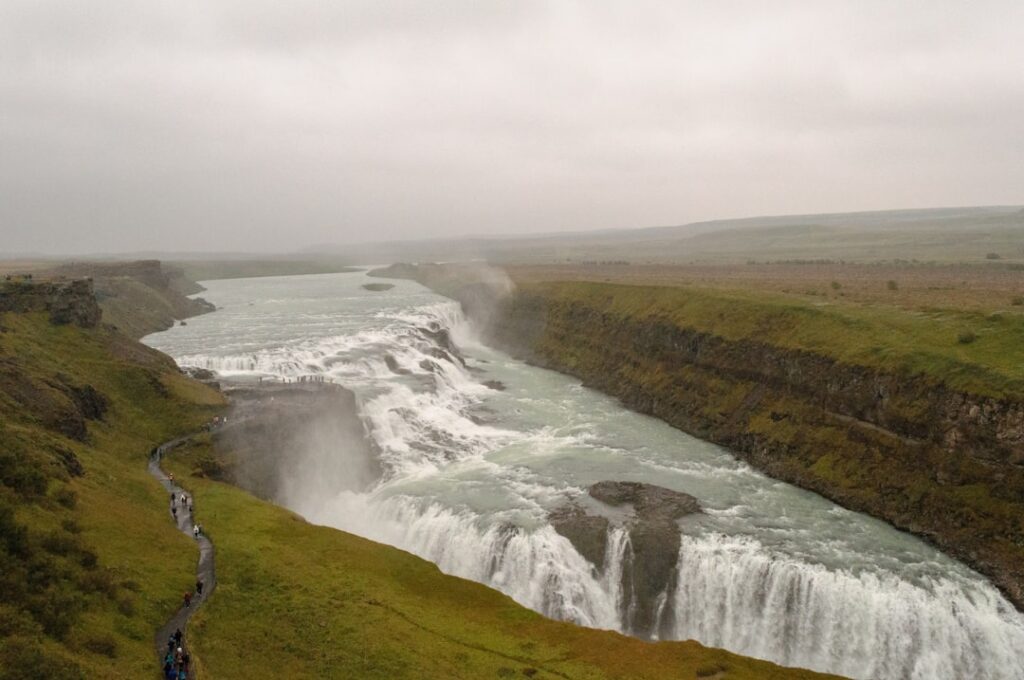
Gullfoss is spectacular and draws crowds: for a more intimate moment, arrive an hour before sunrise (in summer) or late afternoon. Trails down to the river offer different perspectives: take the lower path to feel the power of the water up close, or the upper path for wider panoramas. Photographers: aim for the golden hour when mist and spray pick up warm tones.
2. South Coast: Seljalandsfoss, Skógafoss and Reynisfjara without the crush
Iceland’s south coast hosts some of the country’s most iconic spots: Seljalandsfoss, Skógafoss, Reynisfjara beach and the Sólheimajökull glacier. These stops are stunning but often overwhelmed by daytime visitors. The key to enjoying them more privately: timing, alternative parking options, and a few lesser-known detours that deliver equally powerful scenery with far fewer people.
Seljalandsfoss — Address and practical tips
Address: Seljalandsfoss, Road 249, 861 Hvolsvöllur, Iceland.
Hours: Site accessible 24/7; shop and toilets roughly 09:00–18:00 in high season.
Price: Parking: ≈ €5; the small trail behind the waterfall is freely accessible (expect heavy spray).
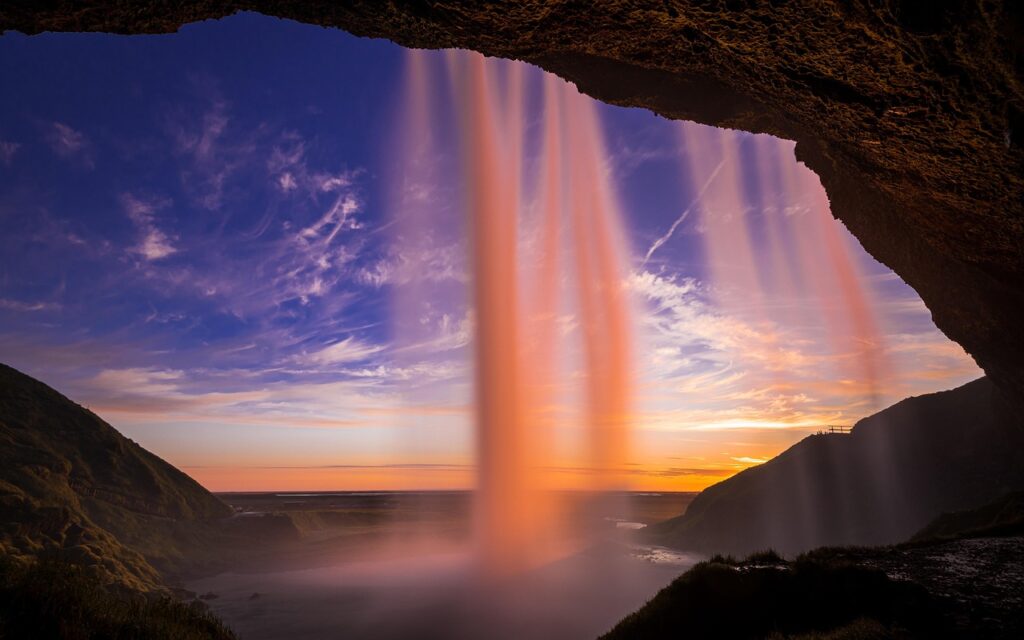
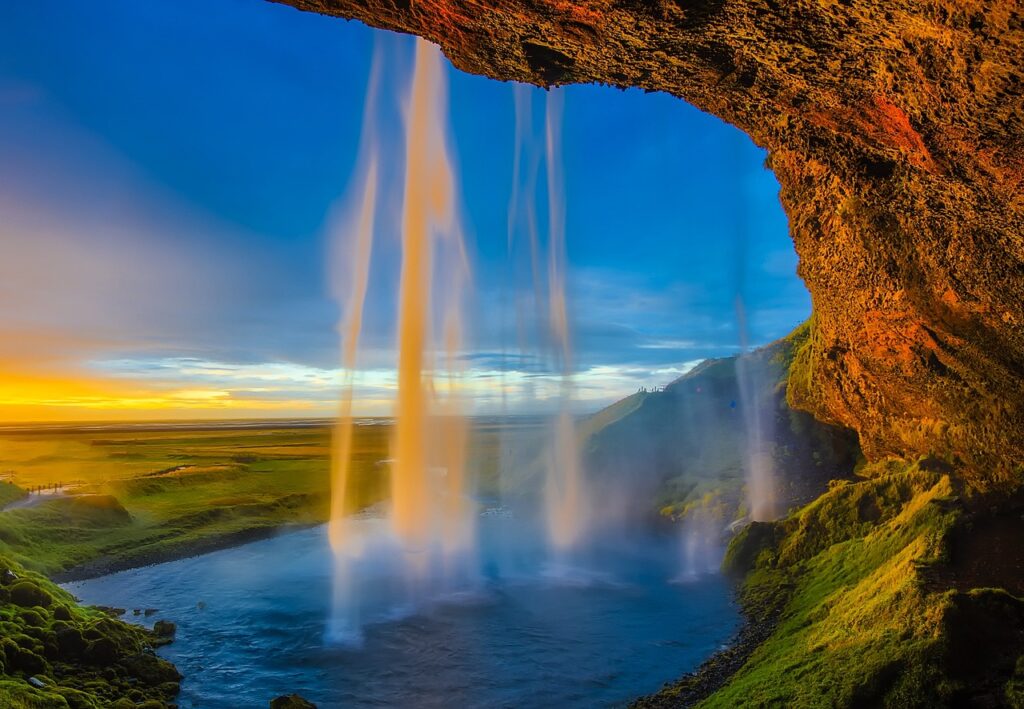
Seljalandsfoss is famous because you can walk behind the cascade. To avoid queues at the opening behind the falls, plan an early-morning visit or go after 20:00 in summer. Bring a raincoat and camera protection — the spray is intense and constant. If the large car park is full, use the lower small car park and walk up: you’ll meet fewer tour coaches and arrive when the light is most flattering.
Skógafoss — Address, hours and quieter variants
Address: Skógafoss Waterfall, Skógar, 861 Hvolsvöllur, Iceland.
Hours: Access 24/7; local centre and café: 10:00–18:00 in summer.
Price: Parking: ≈ €4–€6; local museums (Skógar Folk Museum): €8–€12.
Skógafoss is huge and commanding. To avoid crowds at the base, climb the trail beside the stairs to the upper plateau: in 20–30 minutes you’ll find higher viewpoints that are often nearly empty. If you have time, follow a few kilometers of the Fimmvörðuháls trail inland for isolated panoramas of glacial rivers. Long-exposure photographers will find calm compositions early in the morning when the wind dies down.
Reynisfjara (black-sand beach) and less crowded alternatives
Address: Reynisfjara Beach, 871 Vík í Mýrdal, Iceland (coordinates along Route 215 toward the sea).
Hours: Beach accessible 24/7; services in Vík roughly 09:00–18:00.
Price: Shared parking at the beach: ≈ €3–€5.
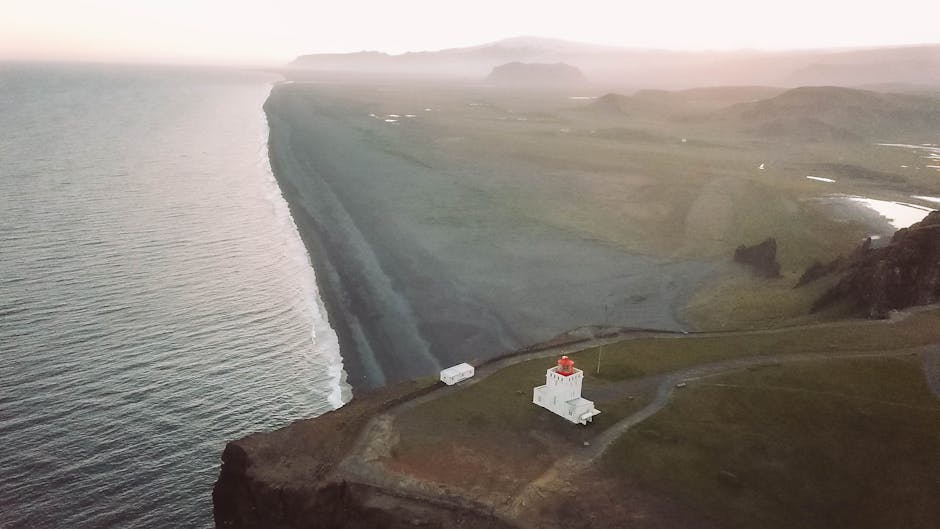
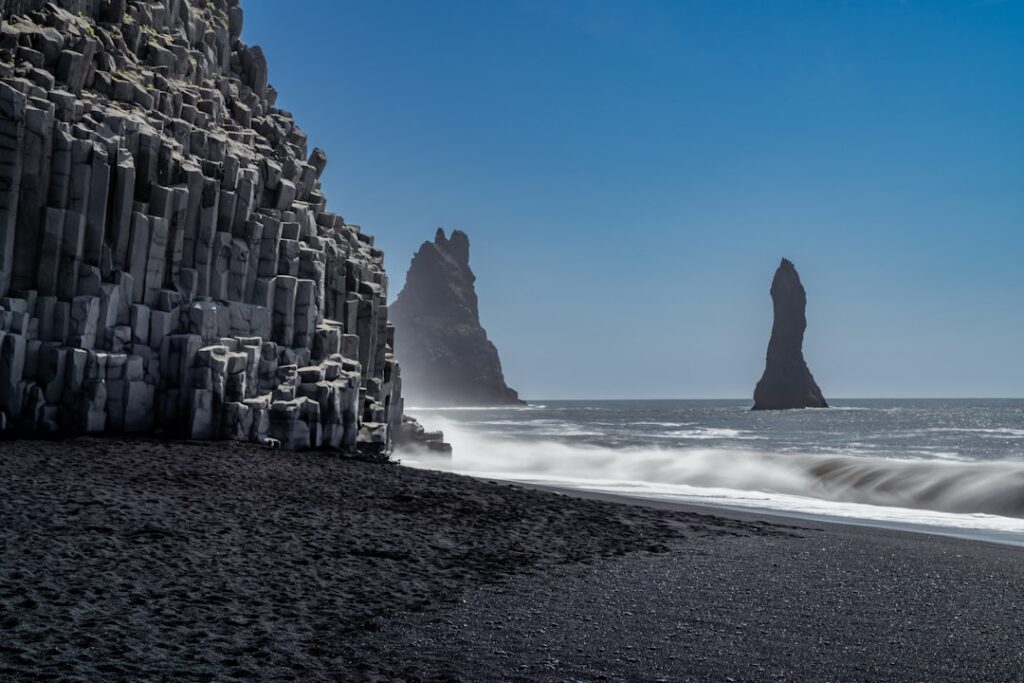
Reynisfjara’s basalt columns and powerful waves are incredibly photogenic but dangerous — never underestimate sneaker waves. To reduce crowds: head to sections slightly east or west of the main beach, or visit at sunrise or sunset — note that morning light can be cold and bluish. Alternatives: Dyrhólaey (Dyrhólaey, Road 218, 871 Vík í Mýrdal) and Sólheimasandur beach (the plane wreck) offer similar atmospheres and are sometimes less crowded, especially off the main access points.
3. The Blue Lagoon and quieter thermal alternatives
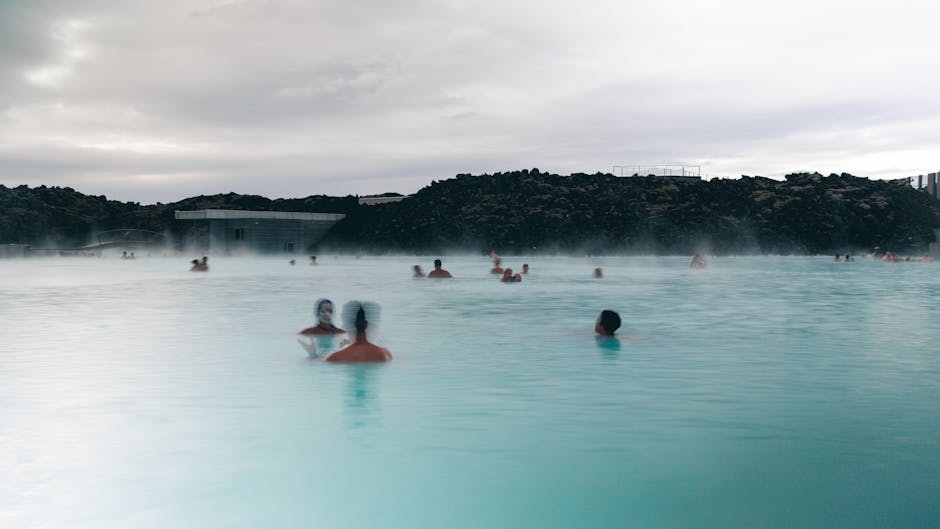
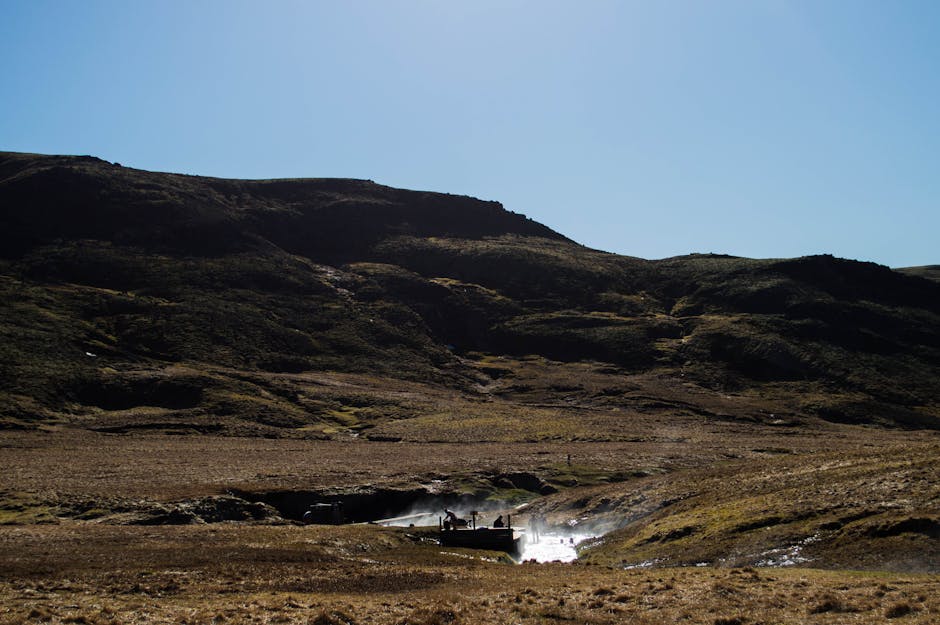
The Blue Lagoon (Bláa lónið) is the ubiquitous image of Icelandic hot springs: milky water, silica masks and a designer shop. But it’s constantly busy and reservations are often required. If your aim is relaxation without the tourist crowd, book less popular time slots or explore local alternatives like the Reykjadalur hot river valley, the Seljavallalaug pool or Vök Baths in Egilsstaðir for a calmer soak.
Blue Lagoon — Address, price and tips
Address: Blue Lagoon, Norðurljósgata 9, 240 Grindavík, Iceland.
Hours: Typically 07:00–23:00, hours vary by season; booking strongly recommended.
Price: Standard entry: ≈ €60–€90 (low season); Comfort & Plus packages: €100–€150 (depending on time and options); transfer-inclusive packages from Reykjavík: €120–€200.
Crowd tip: book the opening slot (07:00) or a late-evening hour (21:00–23:00) in summer for near-empty turquoise water. Contrary to popular belief, weekdays outside Icelandic public holidays are noticeably more pleasant. For a more local immersion: Seljavallalaug (Seljavellir, 785 Hvolsvöllur) is a historic, naturally heated pool tucked in a valley — it requires about a 20-minute walk from the parking area, but the reward is a secluded soak.
Recommended alternatives — Reykjadalur, Seljavallalaug, Vök Baths
-
Reykjadalur Hot Springs (Hot River Valley)
Address: Trailhead Parkeringsplass at Hveragerði, Hveragerði 810, Iceland (approx.).
Hours: Open 24/7; the 3 km trail takes 45–90 min depending on pace.
Price: Free (public parking: ≈ €2–€4).
A hot river winding through a valley where you can bathe in natural pools. Go early to avoid groups; bring dry clothes and respect designated bathing zones. -
Seljavallalaug Pool
Address: Seljavellir Pool parking, Seljavallalaug, 785 Hvolsvöllur (trail access from Road 242).
Hours: Open access; 15–20 min walk from the car park.
Price: Free.
An old, rustic pool surrounded by mountains. Little known to organized tours, it often offers rare tranquility. -
Vök Baths
Address: Vök Baths, Glerárgata 6, 700 Egilsstaðir, Iceland.
Hours: 10:00–22:00 (hours vary).
Price: Entry: ≈ €20–€40 depending on package and season.
Modern facilities set on Lake Urriðavatn, with geothermal pools and wooden walkways — a soothing alternative far from the southwest.
4. Snæfellsnes Peninsula and West Iceland: Kirkjufell, deserted beaches and quiet roads
The Snæfellsnes Peninsula is sometimes called « Iceland in miniature »: mountains, beaches, cliffs, fishing villages and the Snæfellsjökull glacier-volcano. Unlike the Golden Circle, this region is often less saturated — but certain spots, like Kirkjufell, still draw waves of photographers. Time your stops for non-coach hours (very early morning, late evening) and explore secondary roads for deserted beaches and cliffs with equally iconic views.
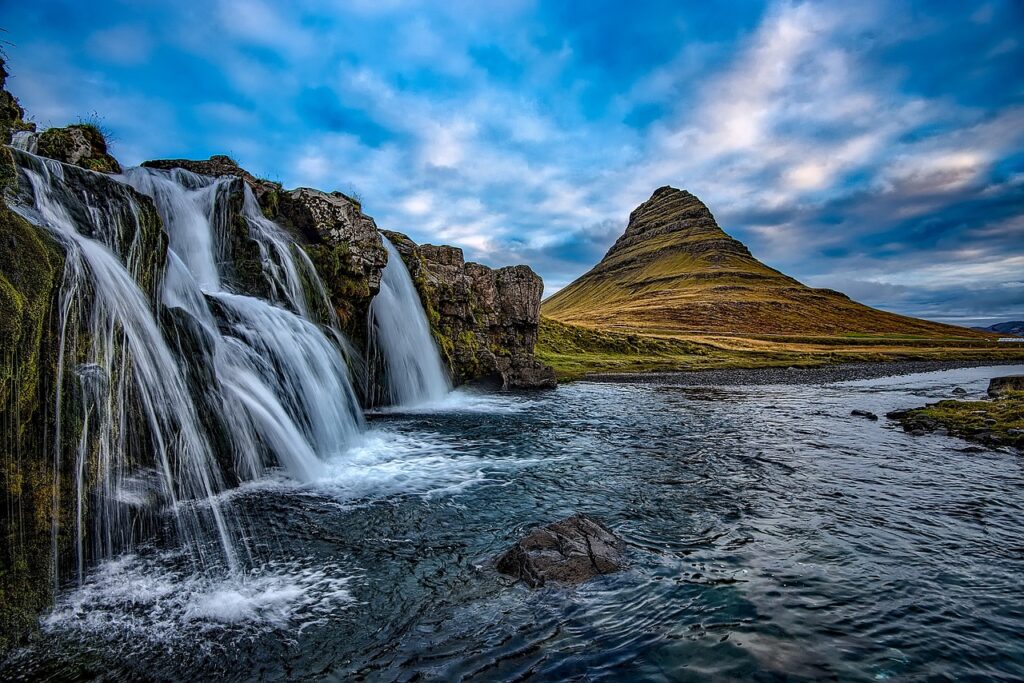
Kirkjufell — Address, access and photo tips
Address: Kirkjufell Mountain, Grundarfjörður, 351 Snæfellsnes, Iceland (parking near Kirkjufell car park on road 54).
Hours: Open 24/7; parking accessible year-round.
Price: Parking: ≈ €3–€5 (sometimes free); no entrance fee for this natural site.
Kirkjufell is photogenic at any hour, but to get a shot without people aim for dawn or dusk. For a more private walk, bypass the main circuit: follow paths along the shoreline to find calm reflections in small pools and less-common perspectives. The nearby village of Grundarfjörður, just minutes away, has cafés and restaurants serving local food without the tourist crowds of larger towns.
Snæfellsnes beaches and cliffs — recommendations
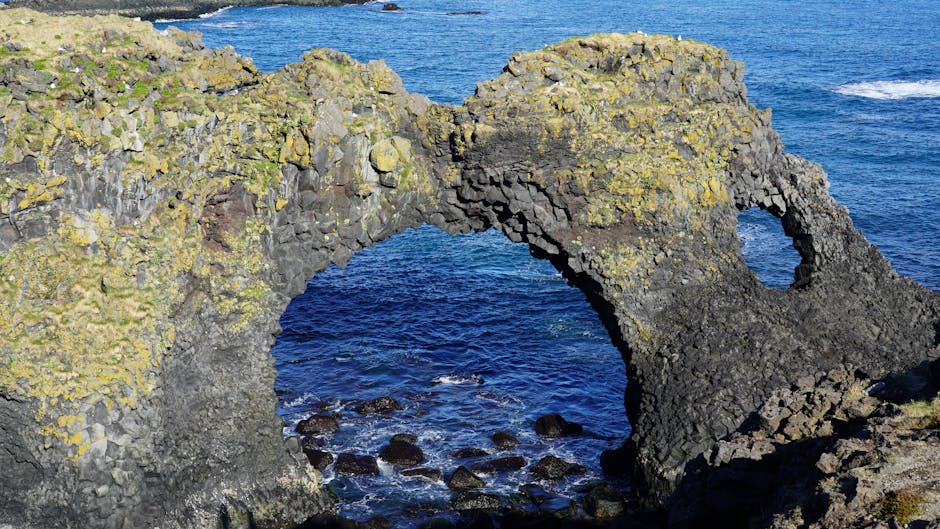
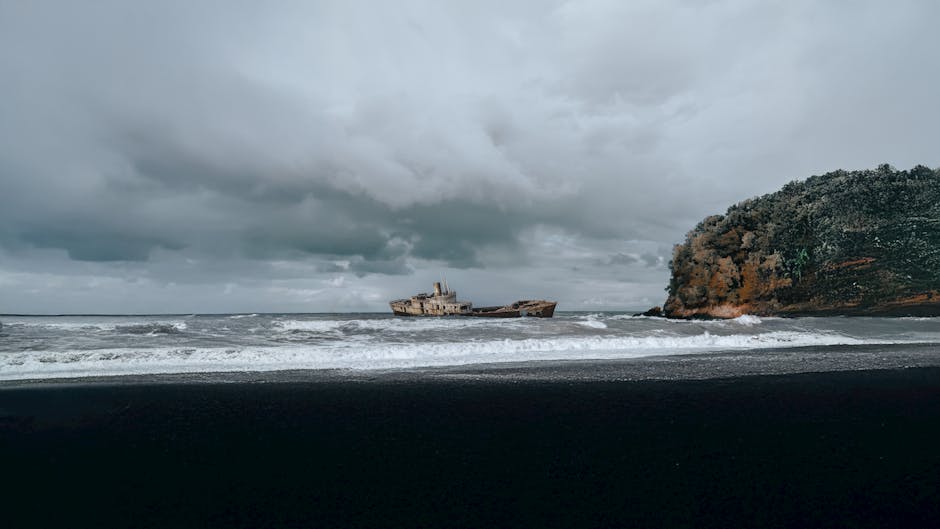
Visit Djúpalónssandur beach (Djúpalónssandur, Snæfellsjökull National Park) for polished black pebbles, remains of ship frames and dramatic rock silhouettes. The coastal walk between Arnarstapi and Hellnar offers little-visited cliffs at low tide, where basalt formations and arches carve the horizon. Check tide times and respect fences and signs: some areas are sensitive for birdlife and visitor safety.
5. Reykjavík and surroundings: culture, local cafés and quiet corners
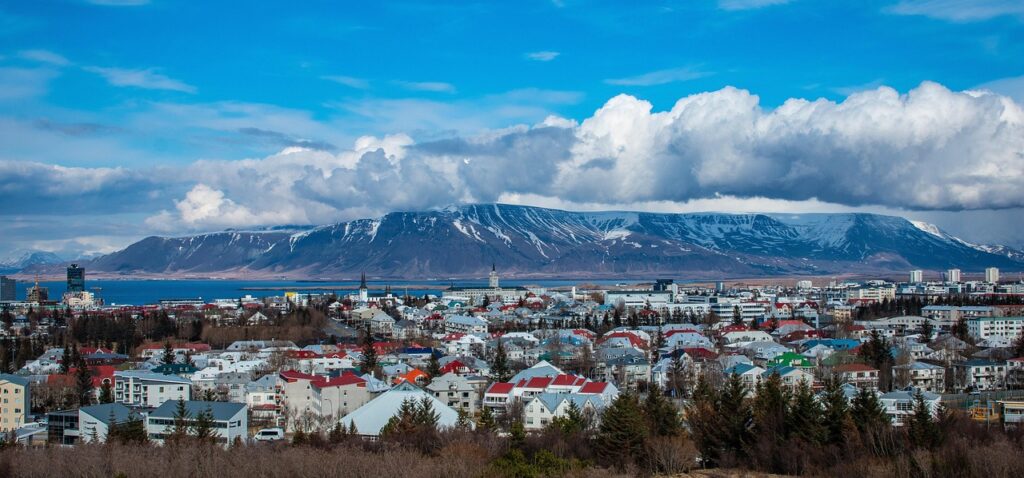
Iceland’s capital, Reykjavík, has kept a small-town feel despite visitor growth. Instead of crowding Laugavegur (the main shopping street) and Hallgrímskirkja only, hunt down neighborhood cafés, lesser-known galleries and coastal walks where locals unwind. Reykjavík is also a great base for day trips to quieter spots — for example the Reykjanes Peninsula or Hvalfjörður fjord.
Specific city spots — addresses, hours and prices
-
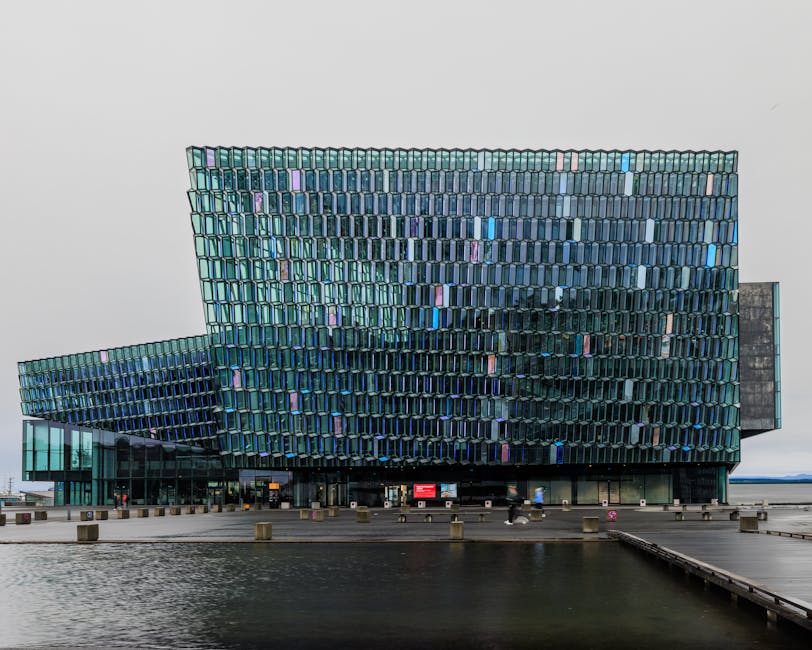
Harpa Concert Hall
Address: Austurbakki 2, 101 Reykjavík, Iceland.
Hours: Box office and shop: 09:00–18:00; concerts as scheduled.
Price: Guided tour: ≈ €10–€20; concerts: variable. -
Hallgrímskirkja
Address: Hallgrímstorg 1, 101 Reykjavík, Iceland.
Hours: Church open: 09:00–17:00; tower opening: 09:00–17:00 (times vary).
Price: Tower entry: ≈ €5–€8. -
Perlan (Exhibition and observation deck)
Address: Öskjuhlíð, 105 Reykjavík, Iceland.
Hours: 10:00–18:00 (variable).
Price: Observation deck: ≈ €14–€20.
Local tips: for a calm coffee, try neighborhood spots like Kaffi Vinyl (Skólavörðustígur 15) early in the morning; for dinner away from crowds, book a table at a tapas bar or a small fish restaurant in Grandi Harbour (restaurants along the quay). Walks along the Nauthólsvík coastal trail (Nauthólsvíkurvegur 10) or the old harbour are often peaceful at sunset, away from formal tourist routes.
Conclusion — Travel smart to protect the landscapes and enjoy fully
Iceland offers landscapes of rare power, but your experience depends a lot on how you plan your visits. This guide has given practical keys: favor off-peak hours, know visitor centre addresses and hours, pay for parking when required and opt for less-visited alternatives. Always respect nature: stay on marked trails, leave no waste and avoid disturbing wildlife. The sites you visit are alive — glacial rivers change flow, coasts are reshaped by waves, and fragile vegetation can take decades to recover from heavy trampling.
Practically speaking, keep in mind prices in euros are estimates. Book what needs to be booked (Blue Lagoon, certain museums, guided tours) and leave flexibility to change plans if the weather turns. Local alternatives (natural pools, secondary beaches, village walks) are often as rewarding as flagship sites and will give you moments of intimacy with Iceland’s landscape. If you’re driving, choose suitable vehicles (4×4 for F-roads), check road conditions on road.is and build time buffers into your travel schedule.
In short, the anti-guide isn’t just a list of tips to dodge crowds: it’s a call for thoughtful, respectful tourism. Iceland remains welcoming, but it needs visitors who understand the fragility of its biotopes and follow local rules. Book smart, start early, explore variants, support local businesses and take time to observe. Above all, leave with images and memories that aren’t just photos full of people, but chosen moments when the island let you sense its wild breath.