





Introduction: Beyond the Golden Circle — exploring the variety around Reykjavík
Reykjavík is often the gateway to Iceland for most travelers: a compact capital with lively culture, cozy cafés and a buzzing food scene. Yet this island of ice and fire reveals some of its most stunning treasures just a short drive from the city. Far beyond the well-trodden Golden Circle (Þingvellir, Geysir and Gullfoss) you’ll find a wealth of natural, geological and cultural experiences perfect for day trips or short overnight stays. This practical guide focuses on those less standard “must-sees” — from lesser-known geothermal lagoons to windswept volcanic peninsulas, tranquil fjords and bird-filled islands steeped in history.
Each section below includes practical, verifiable details to help you plan: exact addresses when available, typical opening hours or access windows, prices shown in euros to simplify budgeting, evocative descriptions to picture the experience, and local tips to make the most of your day. You’ll also find photography pointers, gear recommendations (clothing, footwear, protective layers) and alternatives for unpredictable weather — Icelandic conditions can turn a calm stroll into an epic adventure in a matter of minutes.
This guide isn’t a fixed itinerary. It’s aimed at curious travelers who’ve already seen — or want to temporarily avoid — the crowds of the Golden Circle. Inside you’ll discover: the Reykjanes Peninsula with its lunar lava fields, the legendary black-sand beaches at Vík and the cliffs of Dyrhólaey, the Snæfellsnes region and its glacier that inspired Jules Verne, the Westman Islands (Vestmannaeyjar) with rich marine life and volcanic history, as well as natural hot springs like Reykjadalur. Each recommendation includes logistics (typical hours, indicative prices in euros, coordinates) and advice for safety and photography.
Article layout: after this introduction you’ll find several regional and thematic sections — each long and detailed — with local tips, season-sensitive visit recommendations, suggested bases when relevant, and alternatives for travelers driving themselves or relying on organized tours. Visual markers 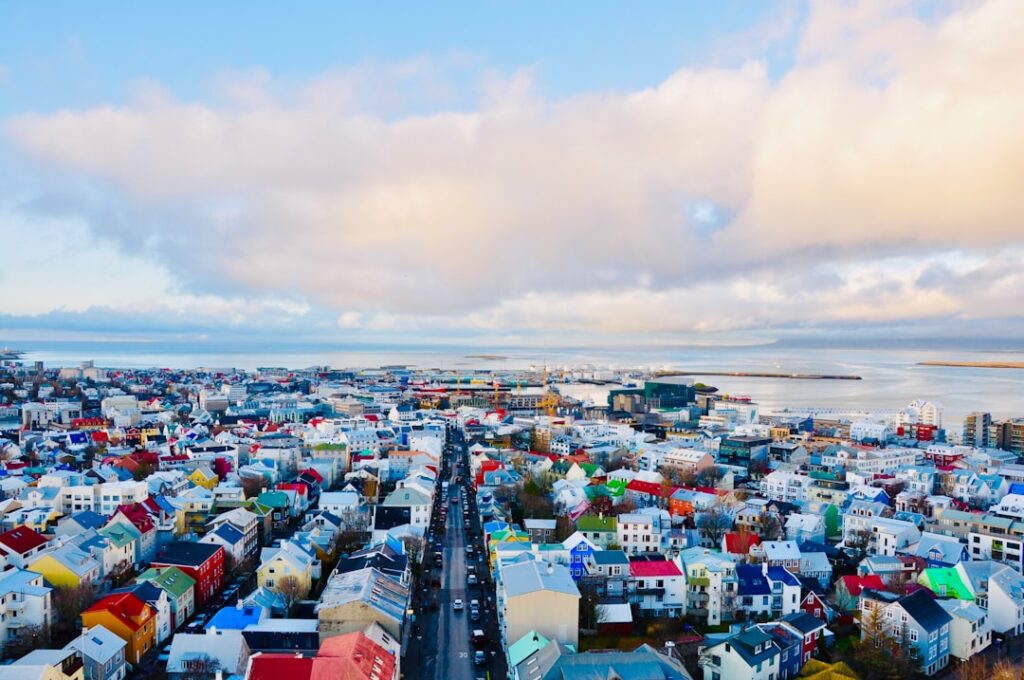 punctuate the text at the most photogenic spots to help you picture the scenes before you go.
1) Reykjanes Peninsula: lunar landscapes and geothermal lagoons
The Reykjanes Peninsula, roughly 40–60 minutes from Reykjavík, packs a concentration of geological wonders: recent lava fields, hot springs, dramatic coastal cliffs and visible tectonic fissures. This area, which includes Keflavík international airport, deserves at least a half-day and ideally a full day if you want to combine hikes and hot baths. Key spots and practical details are listed below:
Blue Lagoon (Bláa Lónið)
Address: Norðurljósavegur 9, 240 Grindavík
Hours: vary by season; typically 07:00–22:00; booking in advance is strongly recommended.
Price: entry from ≈ €59 per person (Standard ticket), packages €79–€249 depending on services and time. Prices fluctuate with demand and season.
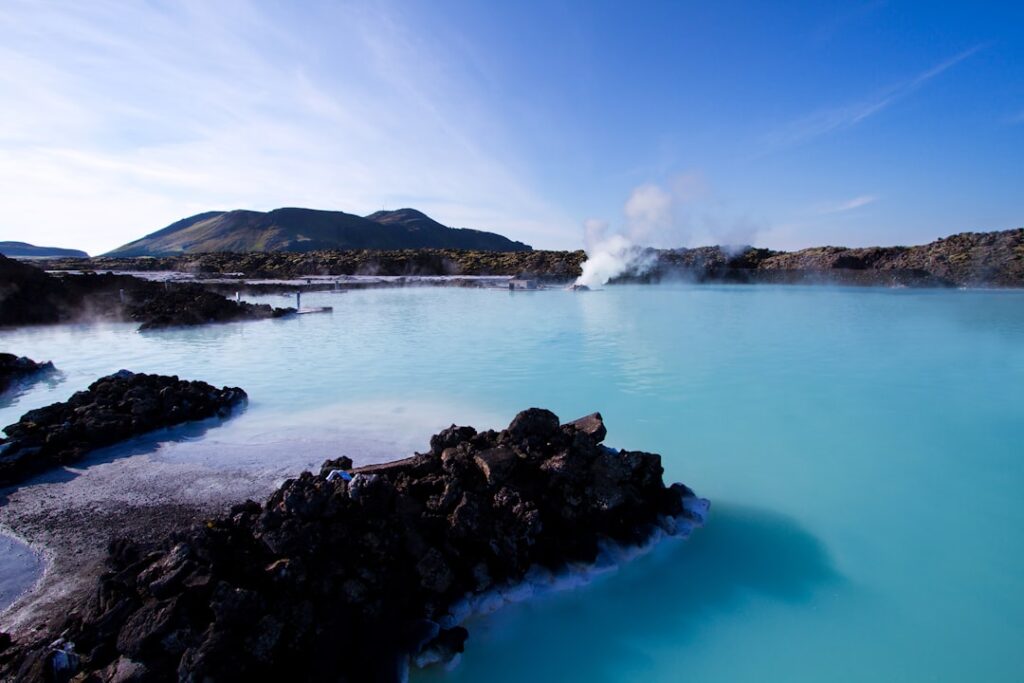
Description: The Blue Lagoon is a world-famous geothermal complex set in a black lava field. The milky, mineral-rich water contrasts sharply with the basalt landscape. The experience blends relaxation, spa treatments and architecture that’s integrated into the surroundings. Expect structured pools, saunas, an in-water bar and a skincare shop selling silica-based products. It’s a tourist hotspot, but it’s a convenient and comfortable way to enjoy geothermal bathing near Reykjavík.
Gunnuhver and the Stóra-Seyðisvík fissure
Address: Gunnuhver parking, Reykjanesvegur 1 (Route 41), 240 Grindavík — GPS often indicated on local signs.
Hours: outdoor site accessible 24/7; exercise caution and stay on marked paths.
Price: free (natural sites).
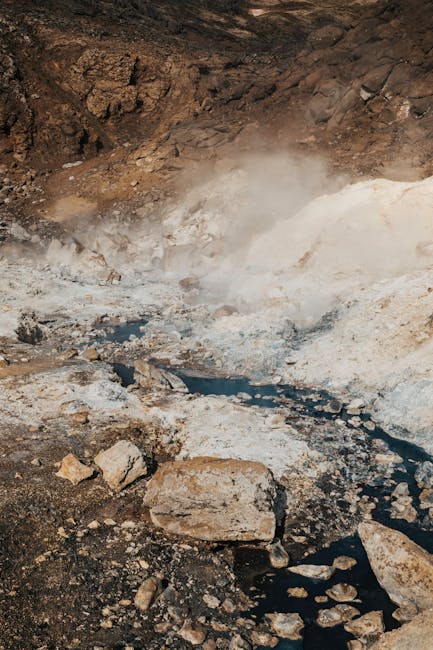
Description: The Gunnuhver geothermal field steams and boils, with bubbling mud pools and powerful steam vents. Wooden walkways let you safely approach active volcanic manifestations. The contrast of white steam against multicolored rock — sometimes streaked with yellow-green sulfur deposits — creates dramatic photo opportunities. It can be very windy and smell strongly of sulfur, so bring a windproof jacket and never stray off the marked areas.
Bridge Between the Continents and Kleifarvatn
Address: Bridge between continents, Reykjanesviti area, Reykjanes Peninsula, parking near road 425.
Hours: open access, outdoors 24/7.
Price: free.
Description: The Bridge Between Continents is a small symbolic footbridge spanning a rift that marks the separation between the North American and Eurasian tectonic plates. Nearby lake Kleifarvatn (Route 42 / 425) features mineral shores and a moonlike atmosphere. Sunsets over Kleifarvatn can be eerily beautiful; after a storm the air clears dramatically and reflections on the lake are exquisite.
2) South Coast: iconic waterfalls, black-sand beaches and glaciers
Heading east on Route 1 (the Ring Road) from Reykjavík toward the south coast quickly drops you into dramatic scenery: thundering waterfalls, bird-filled cliffs, black-sand beaches and glacial tongues spilling from the highlands. The south coast works well as a long day trip (4–12 hours depending on stops) or as a relaxed 2-day excursion if you want to avoid peak-hour crowds.
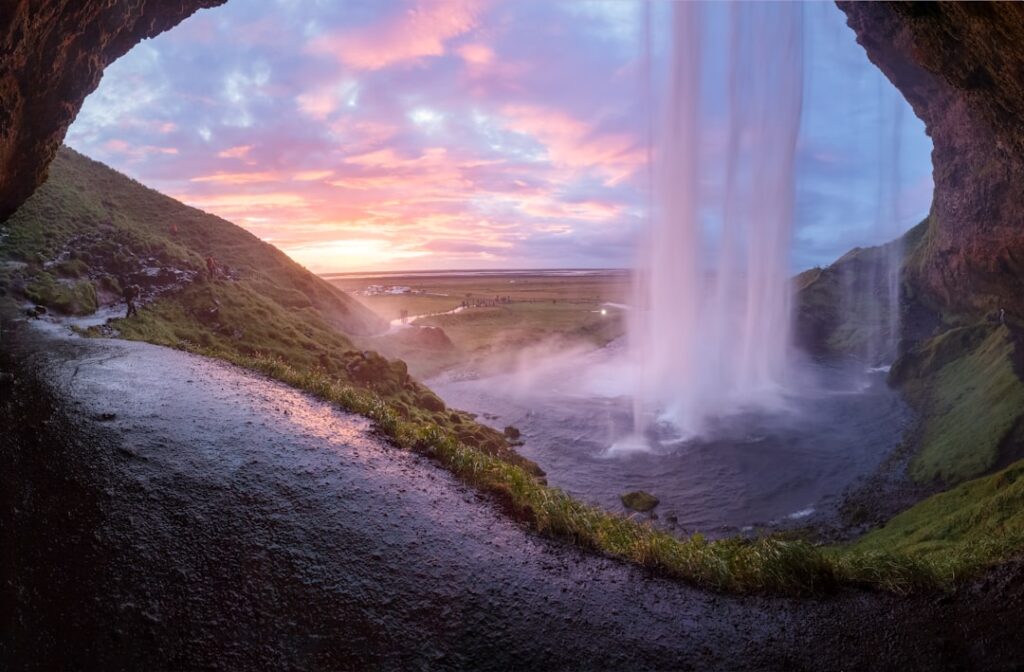
Seljalandsfoss and Gljúfrabúi
Address: Seljalandsfoss parking, Route 249 (near Hvolsvöllur), 861 Hvolsvöllur
Hours: open access; paths are used day and night though nighttime visibility can be tricky.
Price: paid parking ~ 700 ISK ≈ €4.5 (indicative); visiting the waterfall itself is generally free.
Description: Seljalandsfoss is famous because you can walk behind the curtain of water — an immersive experience that frames the landscape. A few dozen meters away, the small Gljúfrabúi waterfall hides within a narrow gorge — a short walk through a shallow stream leads to an intimate viewpoint that photographers love for its different perspective.
Skógafoss and the Skógar Museum
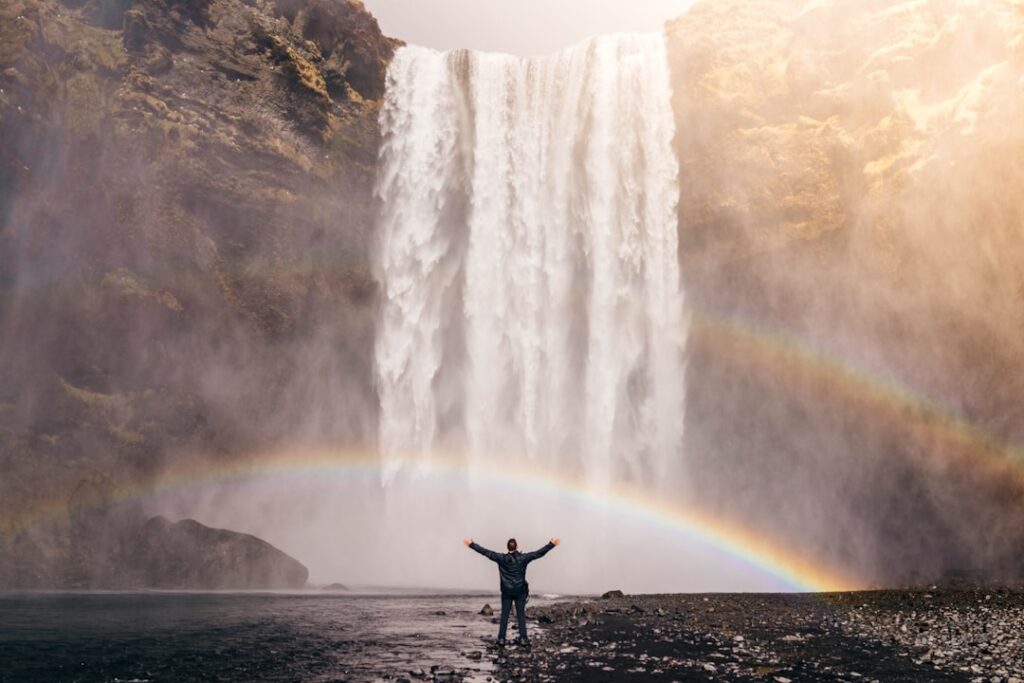
Address: Skógafoss Parking, Route 1, 861 Skógar
Hours: outdoor access 24/7; Skógar Museum usually open 10:00–17:00 (seasonal).
Price: museum entry ≈ €8–€10; short-term parking is free, donations sometimes requested.
Description: Skógafoss is a wide, powerful waterfall often crowned with rainbows on sunny days. A staircase runs alongside the falls up to the top and the trails that lead toward highland glacier tongues. Nearby Skógar Museum offers insights into local history, traditional turf houses and old craft techniques.
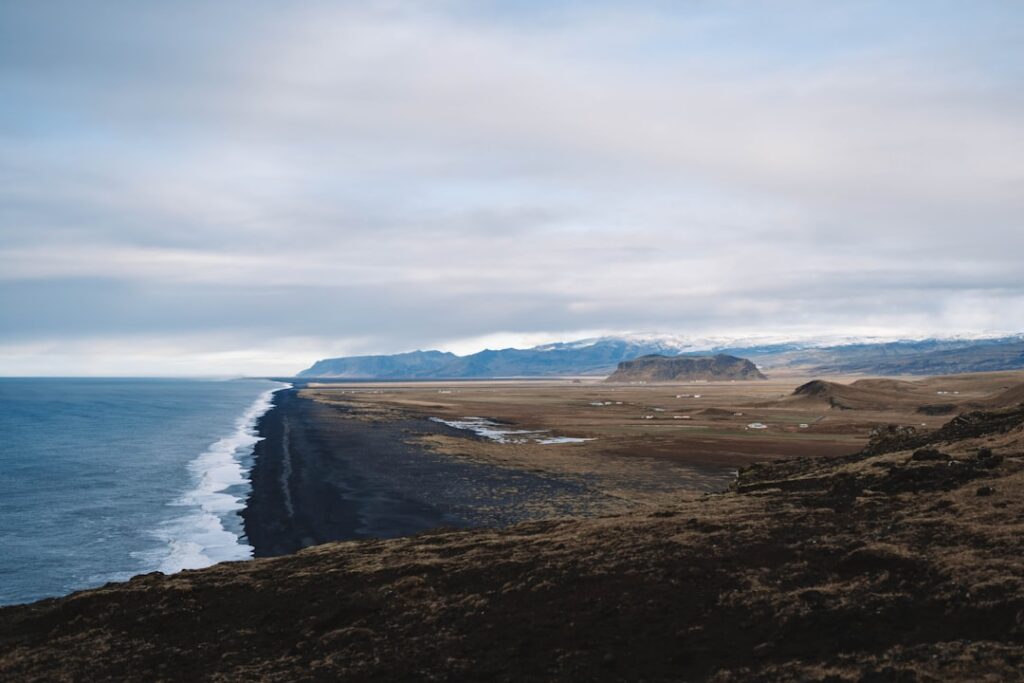
Reynisfjara and Dyrhólaey (Vík)
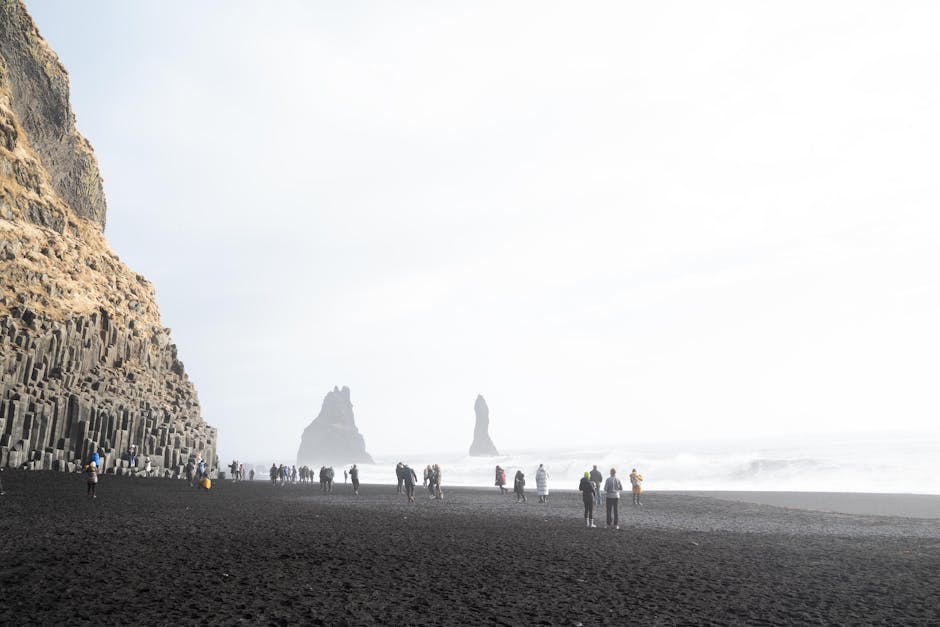
Address: Reynisfjara Beach, Route 215, 871 Vík í Mýrdal; Dyrhólaey Nature Reserve, Dyrhólaey Road, 871 Vík
Hours: beaches and reserves accessible 24/7; some roads or parking areas may close in winter conditions.
Price: free; parking usually free but limited. Observe safety signs (dangerous sneaker waves).
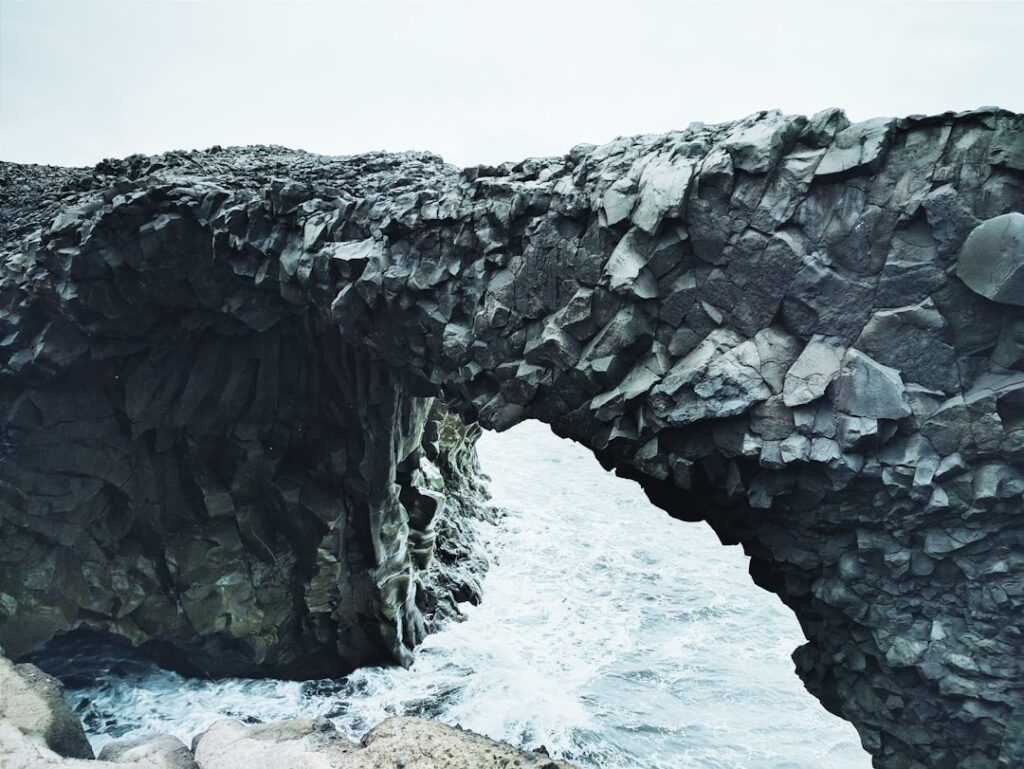
Description: Reynisfjara is world-famous for its black sand, basalt columns (Reynisdrangar) and a rough, dramatic sea. Dyrhólaey, a high vantage point, offers sweeping views over the Atlantic and cliffs where seabirds nest — including puffins in spring and summer. Beware of the waves: the ocean here can be deceptively powerful and dangerous — keep a safe distance.
3) Snæfellsnes Peninsula: « Iceland in miniature » and Snæfellsjökull
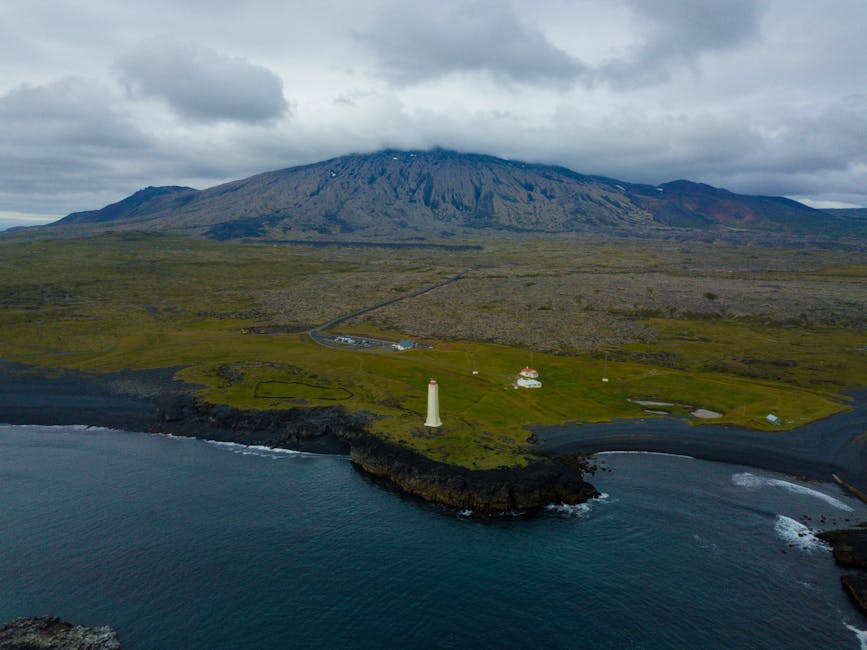
About 2–2.5 hours’ drive from Reykjavík, the Snæfellsnes Peninsula packs a wide range of Icelandic landscapes into a single stretch of land: lava fields, sheer cliffs, golden beaches, fishing villages and the Snæfellsjökull glacier-volcano, made famous by Jules Verne’s Journey to the Center of the Earth. It’s a quieter, highly photogenic alternative to the Golden Circle.
Snæfellsjökull National Park and the glacier
Address: Snæfellsjökull National Park, Park Centre on Route 574, 355 Ólafsvík (general information)
Hours: visitor center hours vary by season; roads and trails are accessible 24/7 with proper caution.
Price: park access is free; guided glacier trips ≈ €90–€150 per person (equipment included).
Description: The park offers hikes across lava flows, cliffs and beaches. The summit of Snæfellsjökull (1,446 m) is glaciated and requires a guide for a safe ascent. On clear days you get spectacular ocean views and glimpses of scattered offshore islets. Guided tours typically include transport, crampons and helmets — a great option if you want to experience a glacier without tackling extreme routes.
Arnarstapi, Hellnar and the basalt coastline
Address: Arnarstapi Village, Route 574, 356 Snæfellsbær; Hellnar parking near Route 574
Hours: open access, marked trails 24/7.
Price: free.
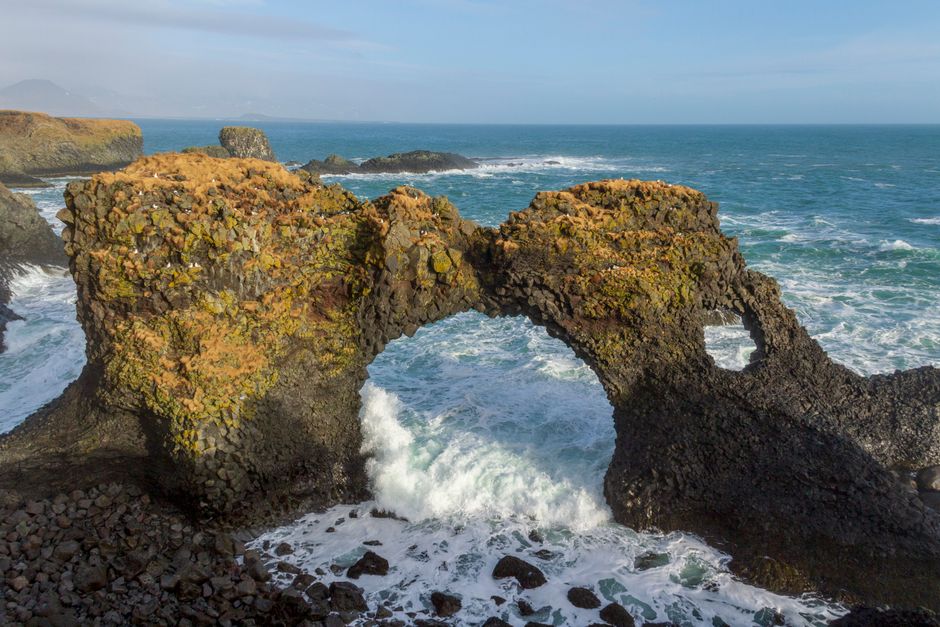
Description: The walks between Arnarstapi and Hellnar trace a coastline carved into arches and basalt cliffs, with columns, caves and natural arches like the famous Gatklettur. The terrain attracts seabird colonies, and the rock formations make striking lines and patterns for photography — especially during the golden hour.
4) Westman Islands (Vestmannaeyjar): history, birds and volcanoes
The Westman Islands, off the south coast, are a captivating destination for nature lovers and anyone interested in recent volcanic history (the Heimaey eruption of 1973). Reachable by ferry or plane from Landeyjahöfn or Reykjavík, the archipelago mixes island life, bird colonies, lava formations and a unique maritime atmosphere.
Heimaey (main island) — sightseeing and museum
Address: Vestmannaeyjar Harbour, 900 Vestmannaeyjar (Heimaey)
Hours: ferries Landeyjahöfn–Vestmannaeyjar: multiple crossings daily in summer; schedules vary off-season — check with the operator.
Price: round-trip ferry Landeyjahöfn–Vestmannaeyjar ≈ €25–€35 per person (cars extra); domestic flights from Reykjavík ≈ €80–€150 depending on season.
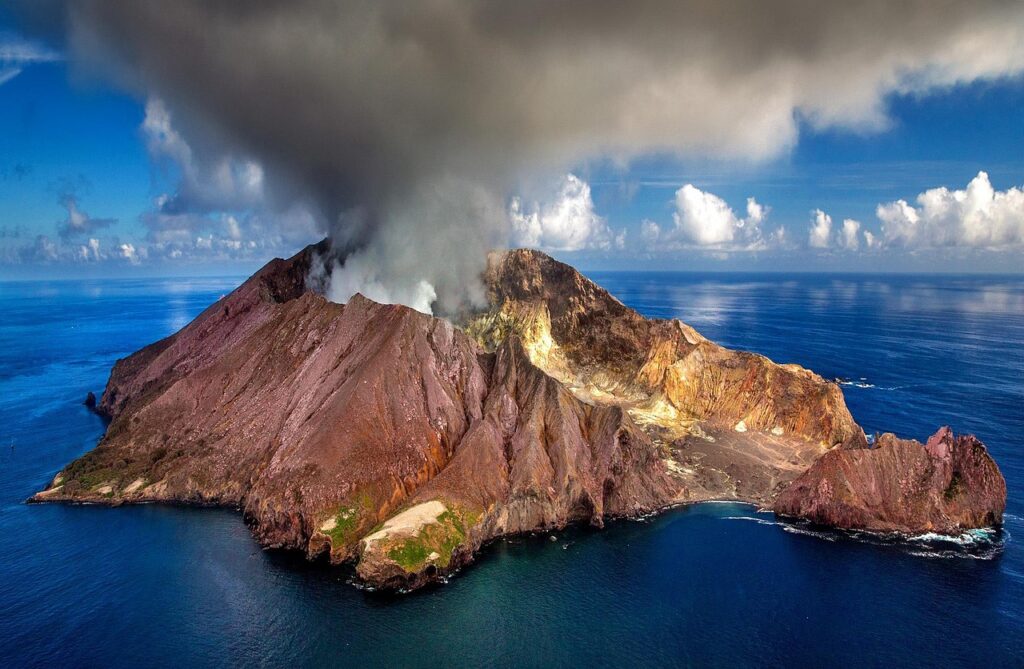
Description: Heimaey still shows vivid traces of the 1973 eruption: buried houses, lava flows diverted around the harbor and the Eldfell crater you can hike for panoramic views. The Eldheimar Museum (Stórhöfði 11, 900 Vestmannaeyjar) tells the story of the eruption and island life (museum hours ≈ 10:00–18:00 in summer; entry ≈ €12–€15).
Wildlife and puffins
Observation address: Westman Islands cliffs, guided boat tours depart from Vestmannaeyjar Harbour, 900 Vestmannaeyjar.
Hours: boat tours to see puffins and seals run frequently in June–August, with morning and afternoon departures typically between 09:00–17:00.
Price: wildlife boat tours ≈ €30–€60 per person (depending on duration and season).
Description: The cliffs host puffin colonies and other seabirds, and boat trips around the islets reveal sea arches carved by erosion. Photographers will love compositions that combine birds, open ocean and black volcanic rock. Dress warmly and bring a windproof, waterproof layer — the sea air is often wet and blustery.
5) Thermal valleys and local hikes: Reykjadalur, Hveragerði and day-trip ideas
For a more intimate, less touristy hot-spring experience than the Blue Lagoon, the Reykjadalur valley (the “steam valley”) near the village of Hveragerði is a true geothermal oasis where you can hike and bathe in naturally warm rivers. It’s a perfect half-day trip from Reykjavík and a favorite with locals.
Reykjadalur Hot Springs (Hveragerði)
Address: Reykjadalur trailhead, Hveragerði town, parking near Reykjadalur road (often signed), 810 Hveragerði
Hours: trail open 24/7; the hike is roughly 3–4 km round trip (1–1.5 h depending on pace).
Price: free; town parking may be charged ≈ 400–800 ISK ≈ €2.5–€5.
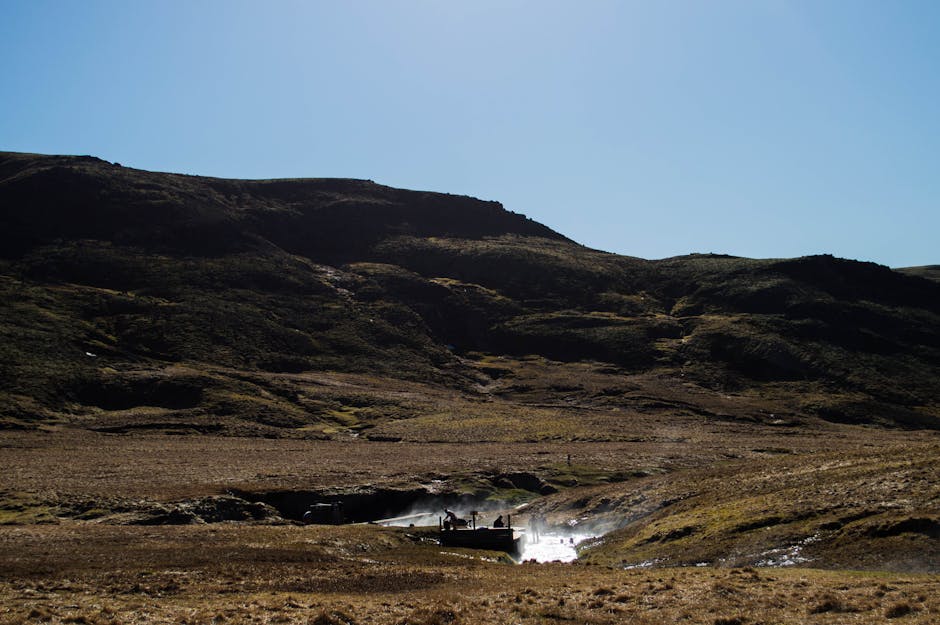
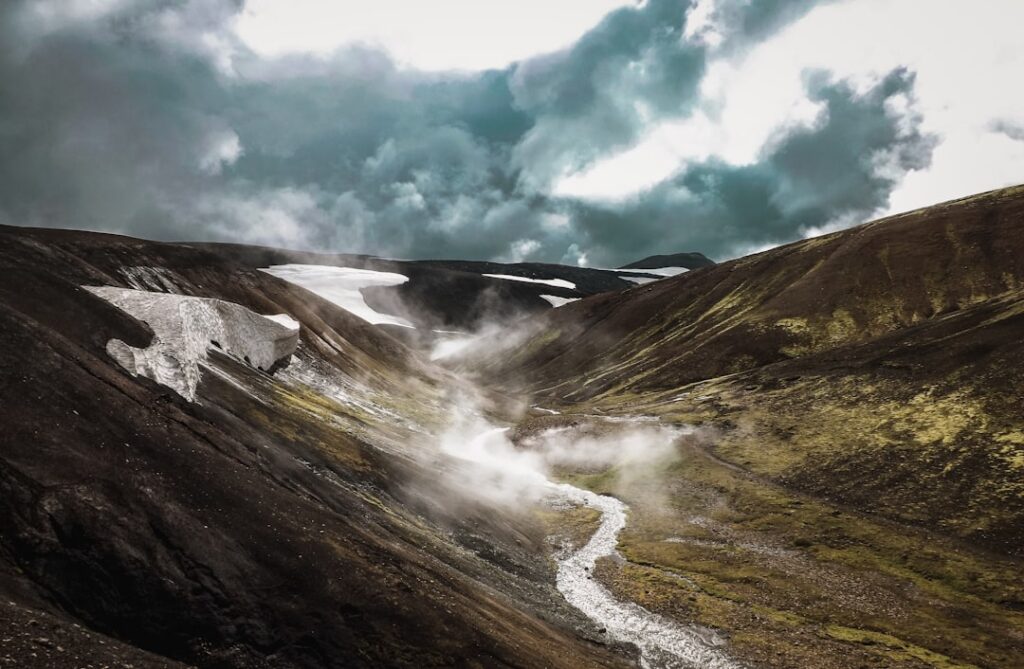
Description: The trail crosses streams, steaming hills and hot pools before arriving at natural warm river bathing spots. Water temperatures vary by spot — test carefully before entering. Bring a towel, swimsuit and suitable footwear: the path can be muddy and slippery. The site is popular on weekends; arriving early in the morning usually offers a quieter experience.
Practical tips for thermal excursions
- Gear: warm layers and a windproof shell, waterproof hiking boots, swimsuit and towel, packed lunch and water.
- Safety: obey marked areas, don’t walk on fragile ground or too close to steam vents; boiling water and unstable ground are hazards.
- Seasons: busy in summer; in winter the path can be icy — crampons are recommended.
- Respect: leave no trace; take your rubbish with you and keep noise to a minimum to preserve the peace of these spots.
Conclusion: plan ahead, respect nature and savor Iceland off the beaten path
Exploring the areas around Reykjavík « beyond the Golden Circle » means embracing a wider and often quieter immersion in Icelandic landscapes. Between volcanic peninsulas, legendary glaciers, black-sand shores, island archipelagos and thermal valleys, the range of experiences is vast — and reachable as day trips or short stays. This guide aims to give you concrete, practical reference points: addresses, typical hours, prices in euros to help with budgeting, and immersive descriptions to help you choose what fits your interests.
Final tips:
- Booking: for ticketed attractions (Blue Lagoon, ferries to Vestmannaeyjar, glacier tours) book ahead, especially in high season (June–August).
- Weather: follow local forecasts (vedur.is) and prepare for rapid changes — layer up, bring a windproof and suitable footwear.
- Driving: if renting a car, check road conditions (especially unpaved F-roads) and take appropriate insurance; in winter prefer a 4×4 vehicle.
- Respect nature: stay on marked trails, avoid nesting areas and pack out your trash. Iceland’s ecosystems are fragile and require care.
- Safety and guides: for technical activities (glacier ascents, river crossings, trips in active volcanic zones) hire experienced guides — they provide essential gear, safety and natural history context.
Finally, leave room for the unexpected: Iceland often serves its most memorable moments between planned stops — a bank of clouds ripping open over a fjord, a rare Arctic fox at the roadside edge, or the sulfurous scent of geothermal vents that reminds you how alive the earth is here. Have a great trip and enjoy discovering the areas around Reykjavík — beyond the Golden Circle.