





Introduction — Diving into the living show of the Golden Circle
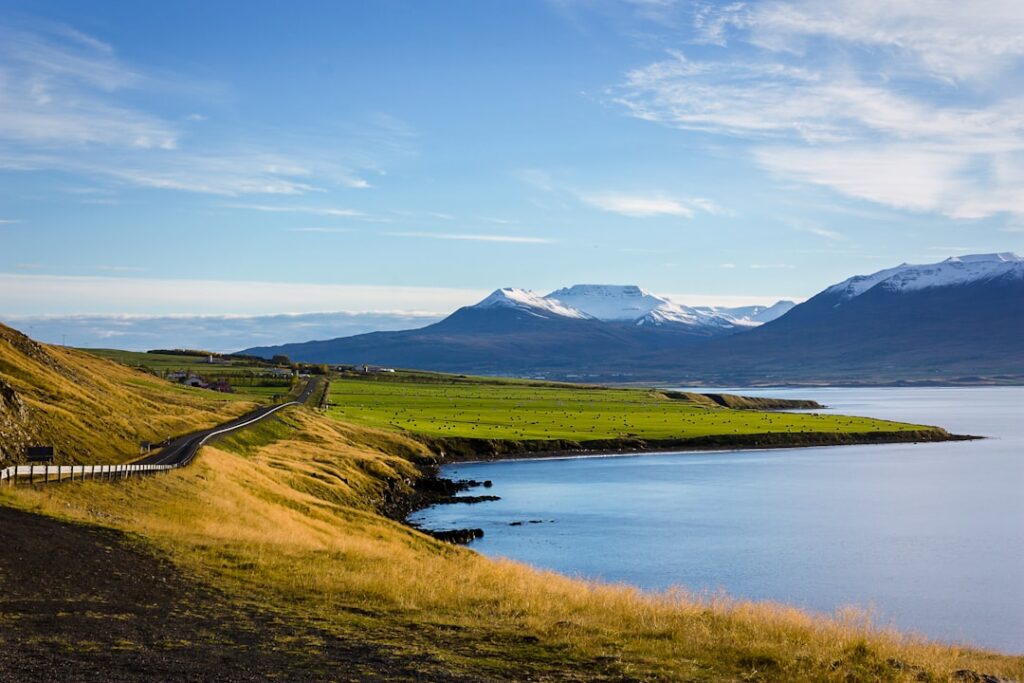
The Golden Circle is both one of the easiest day-trip routes from Reykjavík and a condensed lesson in Iceland itself: here geological forces, active thermal systems and a Nordic nature shaped by cold, lava and time all come together. Understanding the wildlife, plant life and geology of the Golden Circle explains why this area inspires such wonder and how people and nature coexist in this wild setting. This general guide offers a naturalist and practical look at the iconic spots — Þingvellir (Thingvellir) National Park, the Geysir geothermal area, Gullfoss waterfall, the Kerið crater, plus a few human stops like Friðheimar and Laugarvatn — with addresses, typical opening hours, prices in euros, immersive descriptions and local tips for observing wildlife and geological features safely.
The geology of the Golden Circle is readable to the naked eye: faults, rifts and lava flows are constant reminders that Iceland sits atop an exposed Mid-Atlantic Ridge. Þingvellir is the showcase for this reality, where the rift valley displays basalt cliffs and fissures plunging into the earth. Further south, Geysir’s geothermal activity demonstrates the power of the planet beneath our feet — hot springs, geysers and boiling pools punctuate the landscape. Gullfoss, with its two-tiered cascades, reveals how water shaped by glacial periods carves through sedimentary and volcanic rocks. Between these giants, pioneering vegetation — mosses, lichens, short grasses and dwarf birch — colonizes lava flows, while wildlife remains discreet: flocks of migratory birds, Arctic foxes, free-roaming Icelandic sheep and a microfauna adapted to poor soils.
This text is designed for the curious traveler: it blends accessible scientific explanations, practical landmarks (exact addresses, prices in euros, typical opening hours) and best-practice advice for observing without disturbing fragile biodiversity. Photographic suggestions, recommended walks and the best times of day to visit (dawn for light on Gullfoss, late afternoon for bird activity in Þingvellir) are detailed. Finally, you’ll find local recommendations — clothing, safety around hot springs, staying on trails — to turn your Golden Circle visit into an informative, respectful and memorable experience.
Þingvellir (Thingvellir) — the rift valley, tectonic plates and plant life
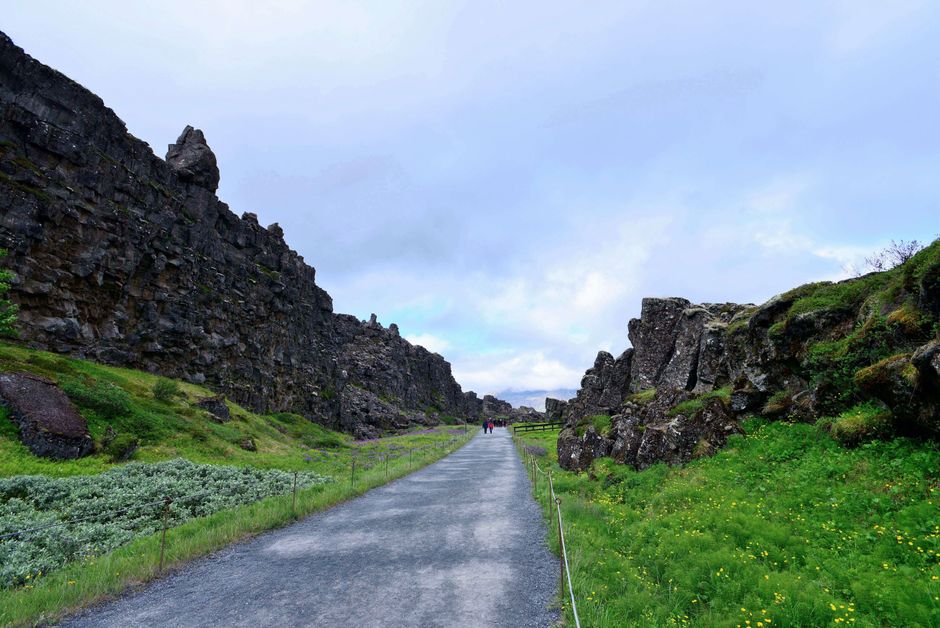
Þingvellir National Park (Thingvellir) is one of Iceland’s most important geological and historical sites. Official address: Þingvellir National Park Visitor Centre, Þingvellir, 801 Selfoss, Iceland. The park’s outdoor areas are open year-round; the Visitor Centre typically operates winter hours from 09:00–17:00 and summer hours from 09:00–18:00. Park entry for walking is free; parking at the Visitor Centre is usually charged seasonally (expect around €2 to €5 for a few hours). Parking near main attractions may require a daily ticket, so check on site.
Geology: At Þingvellir you can literally walk along the boundary between the North American and Eurasian tectonic plates. Faults and fissures such as Almannagjá are visible evidence of the Mid-Atlantic Ridge’s spreading. Ancient lava flows blanketed in thick carpets of moss create a patchwork that contrasts with basalt cliffs. Marked trails wind along cliffs, gorges and freshwater lakes (notably Þingvallavatn, Iceland’s largest natural lake), where glacial and river erosion sculpted the terrain.
Flora: Vegetation at Þingvellir is dominated by pioneering communities adapted to nutrient-poor volcanic soils — Sphagnum mosses, lichens, short grasses and a few stunted trees (dwarf birch, Betula pubescens). Wet areas around the lake host amphibious plants and low meadows. In summer, banks are dotted with wildflowers; the palette is modest but resilient, with tones of moss green, rust brown and pale yellow.
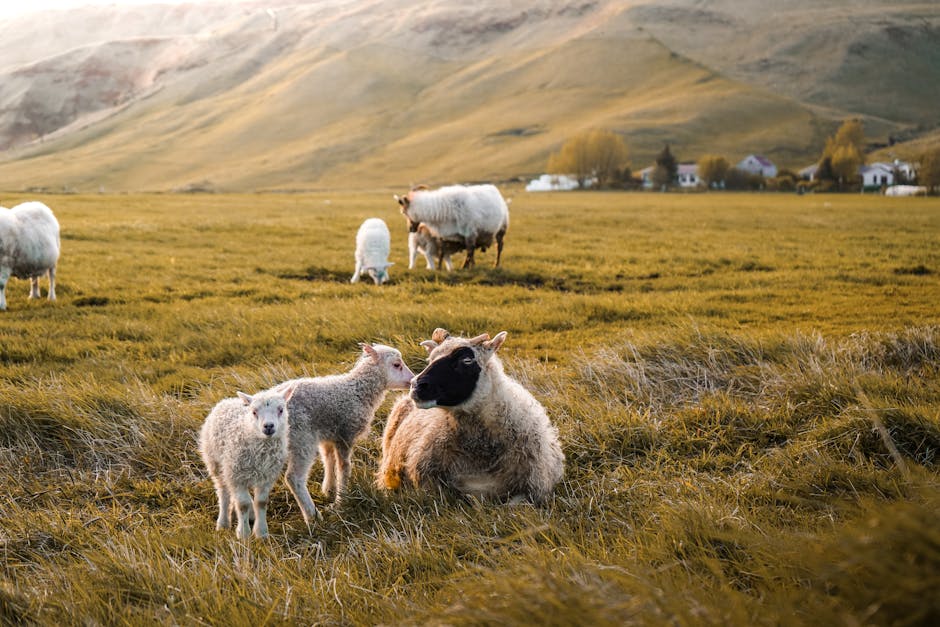
Wildlife and watching tips: Waterfowl and shorebirds are the easiest to spot — ducks, divers and waders frequent the shores of Þingvallavatn. The Arctic fox (Vulpes lagopus) is present but shy; the species was reintroduced and can sometimes be seen at dawn. Icelandic sheep often graze near roads and add a picturesque note to the scenery. Tips: stay on the trails, bring binoculars for dawn birdwatching, and avoid disturbing nesting areas.
Geysir and the geothermal field — eruptions, hot water and safety
The Geysir geothermal area sits along Haukadalsvegur and is listed as: Geysir Geothermal Area, Haukadalsvegur, 806 Geysir, Iceland. Access to the site is free; however, some tourist facilities (cafés, shops) may charge for parking or seasonal fees (around €2 to €6). The area is open all year; busiest hours are typically 09:00–20:00 in summer and reduced in winter.
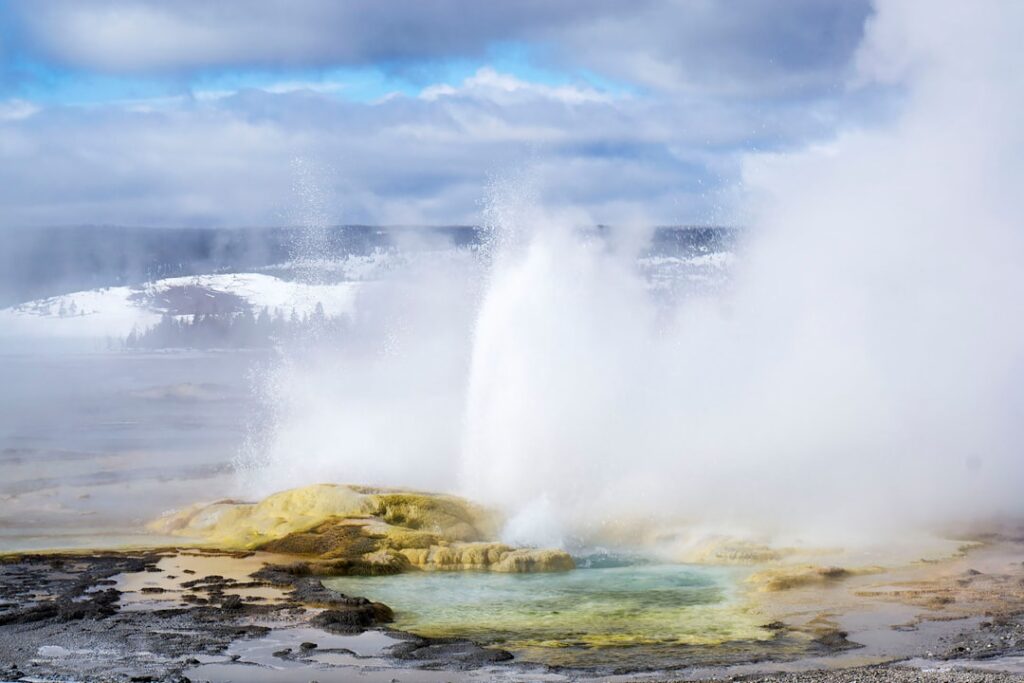
Geology and phenomena: The geothermal field hosts several hot springs, bubbling pools and geysers. Strokkur, the most active geyser, shoots a column of water every 5 to 10 minutes (average height 15–20 m, sometimes higher) — a dramatic, highly photogenic display. Geysers form when rainwater percolates down, is heated by hot rocks, and flashes to steam in narrow conduits, causing regular eruptions. Surface colors come from mineral deposits and heat-loving microbes: silica terraces, iron oxide stains and yellow/orange microbial mats.
Safety and local tips: stay on boardwalks and respect barriers. Ground around springs can be fragile and some waters reach boiling temperatures; severe burns are possible. Dress in layers, as steam and wind create a damp chill. For photography, use a wide-angle lens to capture the water column and the mountainous backdrop. Best light: a clear morning for low-angle light, or just after a cloud break for dramatic contrast.
Gullfoss and Kerið — water, erosion and volcanic craters
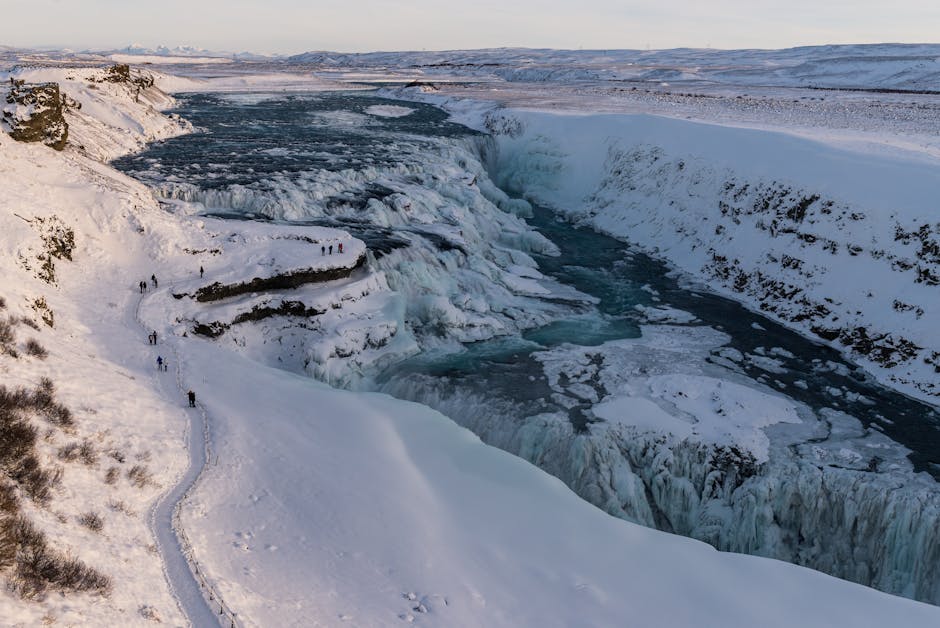
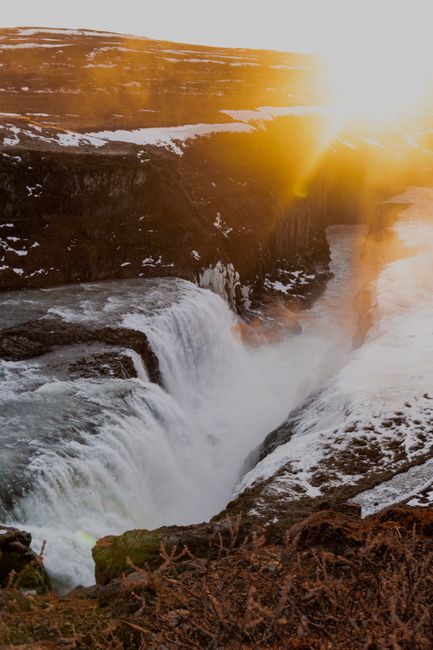
Gullfoss (The Golden Falls) is located at Gullfoss, 846 Bláskógabyggð, Iceland. The site is easily reached from Route 35; the main parking area is free in high season but may ask for a contribution (€1–€5) during peak times. Facilities (toilets, shop) typically open 09:00–18:00 in summer and 10:00–16:00 in winter. Gullfoss features a spectacular double cascade where the Hvítá river drops in two stages into a deep canyon; flow rates, influenced by glacial melt, can be impressive in spring and summer.
Geology: Gullfoss cuts through layers of sedimentary rock overlain by older basalt flows. The river’s power has carved a stepped canyon, revealing strata and textures. Fluvial erosion has sculpted ledges and plunge pools, enhancing the site’s dynamic appearance. The roar of water and spray create an immersive atmosphere — wear waterproof clothing to stay comfortable while observing.
Kerið Crater is a volcanic crater located at Kerið, 807 Selfoss, Iceland. Hours: open year-round; tickets sold on site. Entrance fee: about €3 (variable, payable locally). Kerið is a caldera-type crater with a turquoise lake at its base; red scoria and ash walls contrast vividly with the water, making it very photogenic. The loop around the crater takes roughly 30 to 45 minutes, but slopes can be slippery after rain.
Local fauna and flora: Around Gullfoss vegetation is sparse — mosses and wind-resistant grasslands. Kerið, sheltered from some winds, supports a slightly richer line of colonizing plants along its rim. Occasional birds use canyon edges as perches; terrestrial wildlife is limited but offers interesting examples of adaptation to volcanic soils.
Human stops and interactions: Friðheimar, Laugarvatn and practical tips
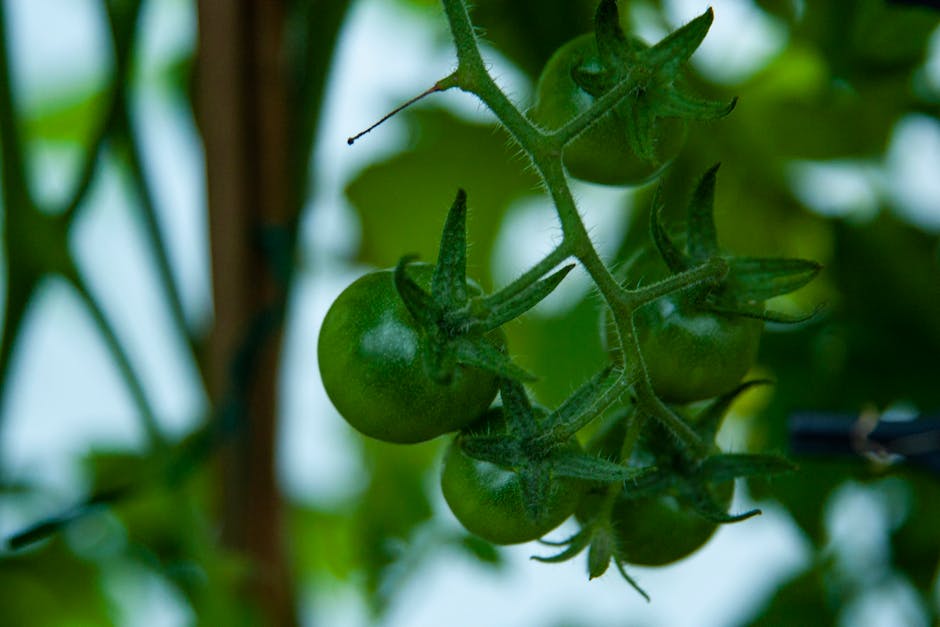
The Golden Circle isn’t just natural wonders: human enterprises and tourist infrastructure illustrate how people interact with this demanding environment. Friðheimar (Friðheimar Tomato Farm) is key to understanding greenhouse agriculture in Iceland. Address: Friðheimar, Reykholt, 801 Selfoss, Iceland. Restaurant hours: typically 11:00–18:00 (seasonal variation). Budget tip: tomato soup and bread in the greenhouse cost around €15–€22. Visiting the greenhouse is often possible free of charge; workshops and tastings are sometimes offered (variable fees, book during peak season).
Laugarvatn Fontana is a geothermal spa located at Laugarvatn, Austurvegur 4, 840 Laugarvatn, Iceland. Typical hours: 09:00–21:00 (check season). Entrance fee: roughly €25–€35 depending on package (pools, saunas, bath access). The facility uses local geothermal sources: baths at different temperatures, saunas and steam rooms. It’s a great place to see how people harness thermal energy for wellness and to observe the link between human culture and geothermy.
Local tips for the whole Golden Circle: pack layered clothing (wind, rain, cold), waterproof hiking boots, a windbreaker/poncho and camera protection against spray. Obey signs and stay on paths: vegetation is fragile and thermal ground is dangerous. Best time to visit: late May to September for vegetation and optimal access; winter offers unique light and fewer crowds. For wildlife watching, dawn and dusk are the most productive times.
Conclusion — Between tectonic forces and resilient biodiversity
The Golden Circle is a window onto the dynamics shaping Iceland: the meeting of tectonic plates, the emergence of geothermal energy, the force of water and the ability of plants and animals to colonize harsh environments. Þingvellir illustrates tectonics and human history, Geysir reveals geyser mechanics and thermophilic microbial life, Gullfoss demonstrates active erosion and Kerið exposes traces of past volcanic eruptions. Between these points, human initiatives like Friðheimar and Laugarvatn Fontana show how people adapt their activities — greenhouse farming, thermal bathing — to local natural resources.
Observing the Golden Circle with an informed eye changes the visit: soil colors are no longer mere curiosities but stories of minerals and temperatures; moss is not just a green carpet but a water collector, soil protector and first stabilizer of lava flows. Wildlife, discreet but present, reveals adaptive behaviors (free-roaming sheep, waterbirds, Arctic fox). The practical tips included — addresses, indicative hours, prices in euros, safety recommendations — will help you plan a respectful, insightful visit.
Finally, remember that sustainability is central to the experience: staying on trails, not touching fragile plants, minimizing waste and following local rules help preserve this extraordinary landscape. The Golden Circle invites contemplation, scientific curiosity and respect — an invitation to understand a natural show where earth, water and life are in constant dialogue.