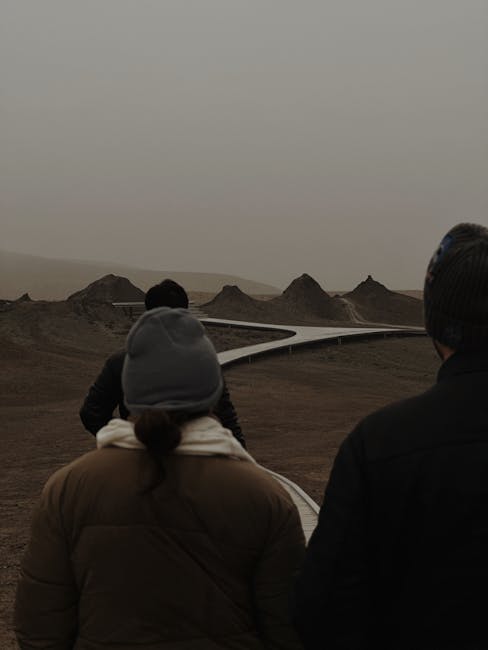






Introduction — What Guides Won’t Tell You About Iceland’s Back Roads
You’ve read all the blogs, bought the map, dropped pins on Google Maps and daydreamed about lonely tracks that end at empty waterfalls. But there’s a reality most printed and online guides sweep under the rug because it doesn’t make for pretty filtered photos: Iceland’s back roads (gravel tracks, F-roads, farm tracks) are a stage where weather, mechanics and regulations play unpredictable roles. What the guides don’t tell you is that the smallest misjudgment can turn an “adventure” day into an expensive headache — or outright danger.
Local golden rule? Respect the road. It sounds simple, but it covers a cluster of habits: know your vehicle, read the landscape, anticipate the weather and accept constraints (low speeds, long stretches between gas stations, respect for private land). Locals won’t say “come on, go for it”; they’ll say “check, gear up, and if you’re unsure, turn back.” The classic trap is getting overconfident after thirty minutes on gravel. On an Icelandic track everything can change fast — terrain, traction, weather.
In this article I put you in the head of a seasoned local — part investigator, part field witness. I break down the most common, concrete traps: river crossings, rental insurance that doesn’t cover you, GPS that sends you down a closed track, a Sunday station that’s shut, a narrow bridge with no signs, sheep that cross without warning, a river that rose overnight, and the rules around wild camping (spoiler: it’s not as free as people think). For each trap: how to spot it and, importantly, how to avoid it. No sugarcoating. No unnecessary romance.
You’ll find addresses, opening hours and euro prices where relevant (entrances, spas, gas), immersive descriptions to help you spot visual clues on the ground, and practical tips to walk away intact from a bad decision. And because Iceland is as much visual as it is textual, I sprinkle this guide with visual markers — image cues to help plan your photo scouting and locate spots in the field.
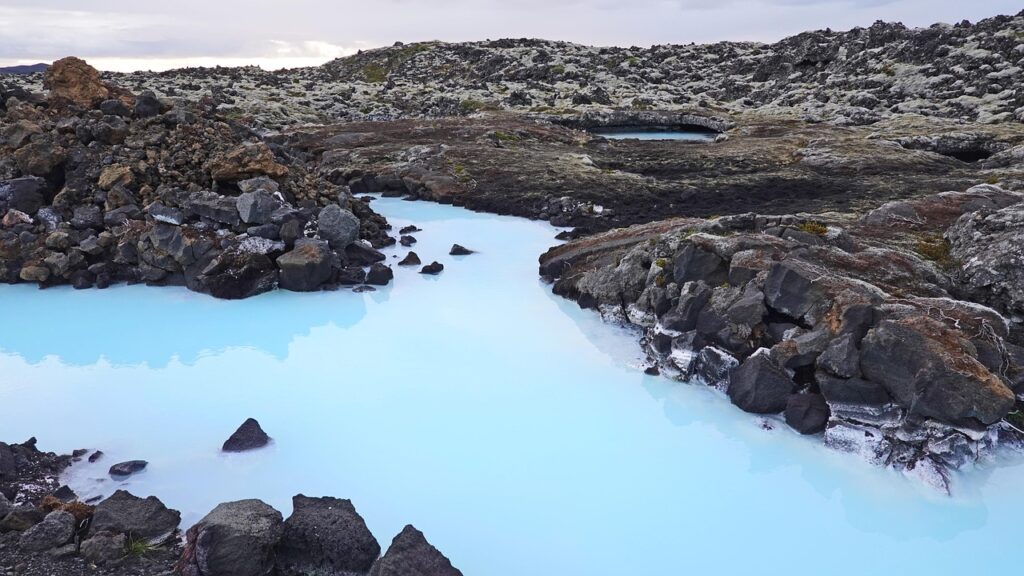
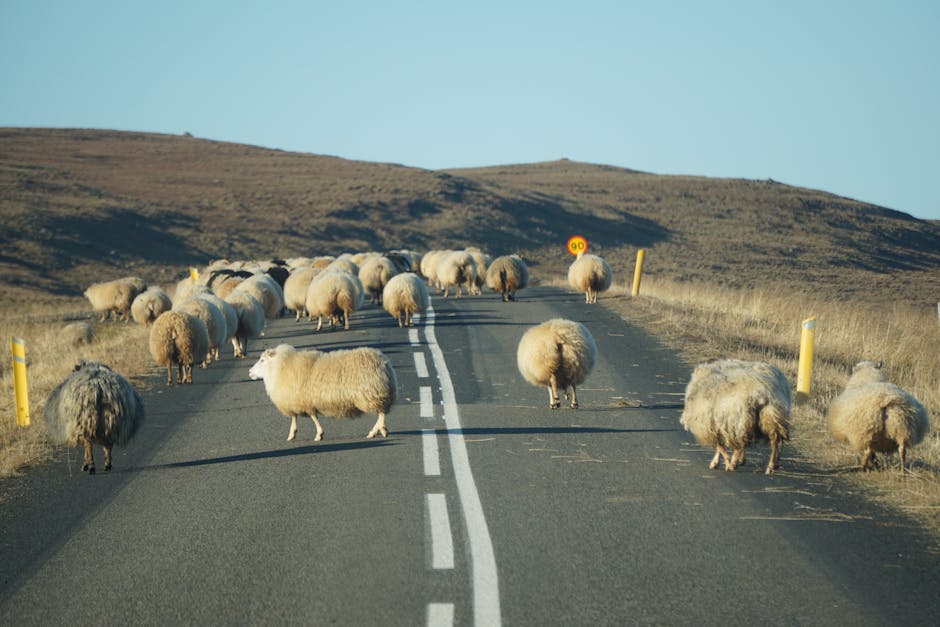
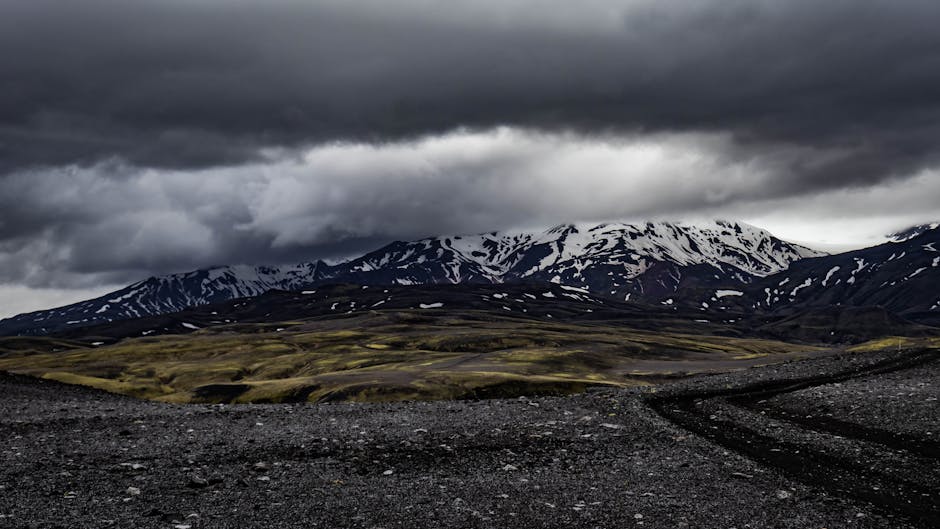
Follow me: I’ll give you concrete benchmarks and practical checklists. This isn’t a romantic travel tale; it’s a survival manual and a guide to practical smarts to avoid common mistakes. Iceland delivers jaw-dropping scenery — but it’s not an amusement park without rules. Learn to read the road, and the road will let you pass.
1. River Crossings: How to Spot the Danger and Avoid It
What guides don’t tell you about fords: they change. A ford you can cross in the morning may be impassable by evening after rain or snowmelt. Local golden rule: never drive across at first sight. You can spot a ford from shore by several clues before you get into the water: recent tire tracks (or their absence), clear flow paths, water color (murky water = soft bottom), and churning around exposed rocks.
How to recognize a risky ford:
- No recent tracks: if you don’t see fresh tire marks, either the last crossing was a while ago or nobody made it through recently.
- Visible current and depth near the banks: if the water is actively rippling at the edge, the current is strong.
- Coloration: brown, cloudy water often means a muddy bottom; clear water over rock is usually safer.
- Broken branches or flattened vegetation: can indicate recent floods.
How to avoid it:
- Don’t trust GPS: it doesn’t know the current state of the ford.
- If your rental isn’t a 4×4 rated for river crossings, don’t try it. Even a light 4×4 can stop if water rises above the air intake (check the height of the air filter on your rental).
- Get out and wade in with boots to mid-thigh if possible to feel the bottom (sometimes gravel holds, sometimes it’s deep mud).
- If in doubt, turn around and take an alternate route — adding a couple of hours is usually cheaper than a recovery truck costing hundreds of euros.
- Practical note: rural towing can run from €300 to €1,500 depending on distance. Don’t ruin your budget — plan a margin.
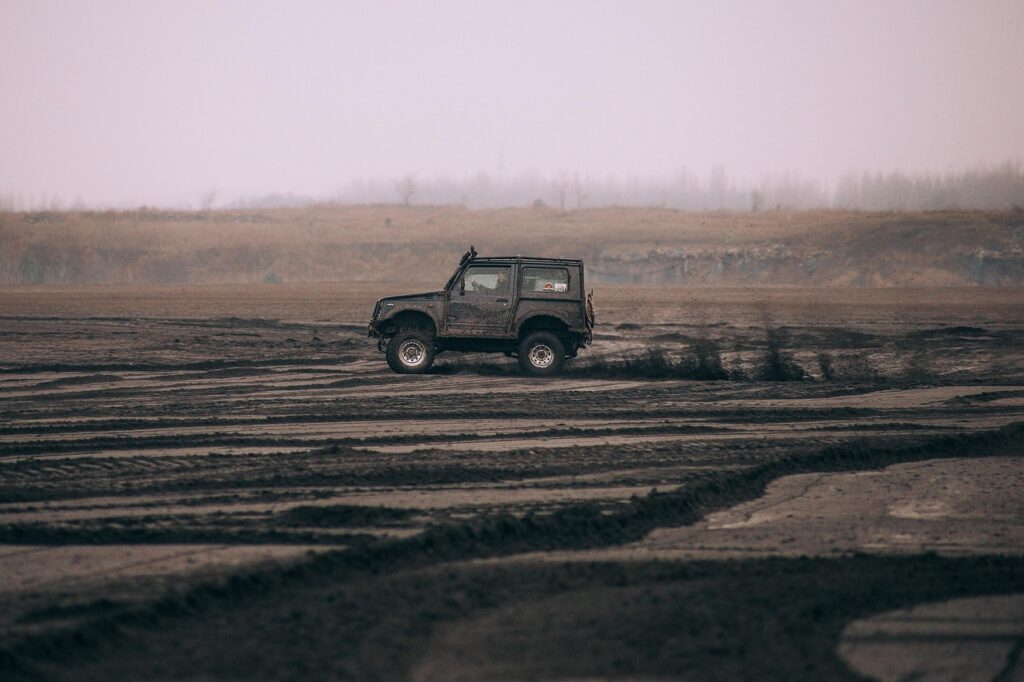
Concrete example: F208 near Landmannalaugar — some fords were swept away by spring melt. Closed signs (F removed) are often taken down after floods; don’t base your decision on a missing sign. If you’re near Landmannalaugar, the Fjallabak information point (near the car park; approximate reference: Landmannalaugar camping area, Highland road F208) is a good place to check track conditions; note staff hours: off-season the information desk may not be staffed daily.
2. Rental Cars, Insurance and the Fine Print: The Naked Truth
Local golden rule: ALWAYS read the contract. What guides don’t tell you — and what rental companies prefer to keep quiet — is that most basic insurance doesn’t cover damage from gravel, sandblasting, river crossings, or undercarriage damage. The classic trap is booking the cheapest car and telling yourself “I’ll handle it” — you’ll end up paying far more if something goes wrong.
How to spot the trap:
- Low rate with clauses like “F-roads not covered”, “no gravel damage” or “no undercarriage”.
- Exclusions printed in tiny text: “damage due to river crossing not covered”.
- The vehicle looks like a low SUV without a snorkel or reinforced bumpers — a hint it’s not suited for tough tracks.
How to avoid it:
- Ask explicitly for “Gravel Protection” and “Sand and Ash Protection” (often +€10–25 per day). Verify they cover windshield breaks, gravel dents to the bodywork, and undercarriage damage.
- Check whether the policy covers river crossings. If not, don’t attempt them.
- Take dated photos of the vehicle at pickup (four angles, interior, odometer) to avoid disputes on return.
- See if your credit card offers secondary rental coverage and read the exclusions — many don’t include F-roads.
- Indicative costs: additional “Gravel & Windshield” protection can be €12–30 per day; roadside assistance add-ons are often €5–10 per day depending on the agency.
Pro tip: choose a genuine 4×4 if you plan on taking F-roads (F = highland roads restricted to 4×4). Renters like Blue Car Rental or SADcars often have different clauses; ask to see the agency manual and the local emergency number (usually an Icelandic toll-free number). If the agency won’t put coverage for fords in writing, walk away.
3. Fuel, Stations and Timing: The Empty-Pump Trap
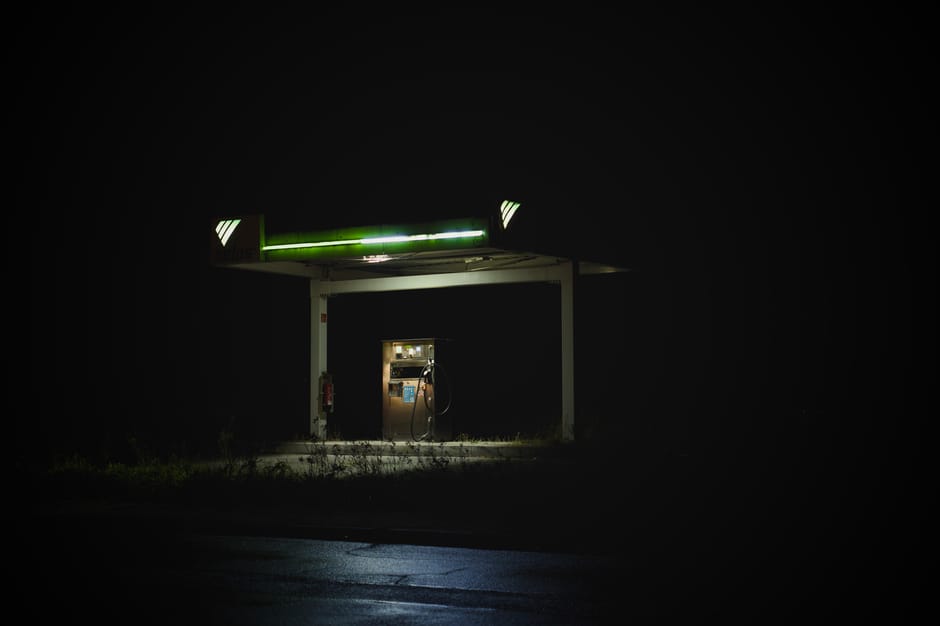
On back roads, the number-one enemy after weather is distance between gas stations. Local golden rule: on isolated tracks never let your tank drop below one-third. What guides don’t tell you is some rural stations close early, may not accept international cards, or don’t carry diesel suitable for European vehicles.
How to spot the trap:
- Signs that read “Self-service only” with limited card acceptance or pumps that require an Icelandic card.
- Opening hours posted: many rural stations close between 18:00 and 20:00, or are automated 24/7 but only accept certain cards.
- Forum or Google mentions of recent “out of fuel” situations.
How to avoid it:
- Plan with a paper map or an offline app (Maps.me, Gaia) and note N1, Olís and Orkan stations. Examples: N1 Selfoss (Eyrarvegur 3, 800 Selfoss) often opens 06:00–22:00; Blue Lagoon (Nordurljosavegur 9, 240 Grindavik) has a nearby station but it can be pricey. Check opening hours online before you go.
- Carry 10–20 liters of reserve if you’re doing long Highland loops. Jerry cans are sometimes allowed but check with the rental company.
- Prices: diesel in Iceland varies; expect about €1.70–2.10 per liter depending on season. Budget more for fuel than the guide suggests.
- Check your bank card compatibility (N26, Revolut usually work; some cards block payments due to PIN limits). Carry a small amount of ISK cash if possible, though cash use is decreasing.
Local tip: N1 and Olís tend to have the best coverage across the South and West. In the East and Highlands some pumps are automated — check the card acceptance screen. And one more thing: if you find an open station after a long day on wet tracks, fill up even if you don’t need it — the next one might be closed.
4. Narrow Bridges: One Vehicle at a Time and the Unspoken Rule
Local golden rule: give priority to the vehicle going uphill. Single-lane bridges are everywhere and their use follows tacit rules tourists often miss. What guides don’t say is that Icelandic courtesy at these bridges is a social code — ignore it and you risk awkward bumps.
How to spot the trap:
- Exposed concrete bridge, often without guardrails, sometimes signed for priority, sometimes not.
- Track entrance with minimal signage and no nearby passing bay.
- Flattened vegetation on the banks showing a vehicle had to reverse to yield recently.
How to avoid it:
- If you’re going uphill, you have priority. If you’re descending, stop and let the uphill vehicle pass, especially if it’s heavy (camper, minibus) — it can’t stop and restart on a slope as easily.
- Slow down before you enter — better to stop and let the other driver through than attempt a risky turn on a narrow track.
- See if the bridge has a widened bay before or after; the vehicle closest to the bay should pull in to yield.
- If you have GPS and spot a camper coming towards you, a short horn tap is fine — a brief beep equals a polite “go ahead.”
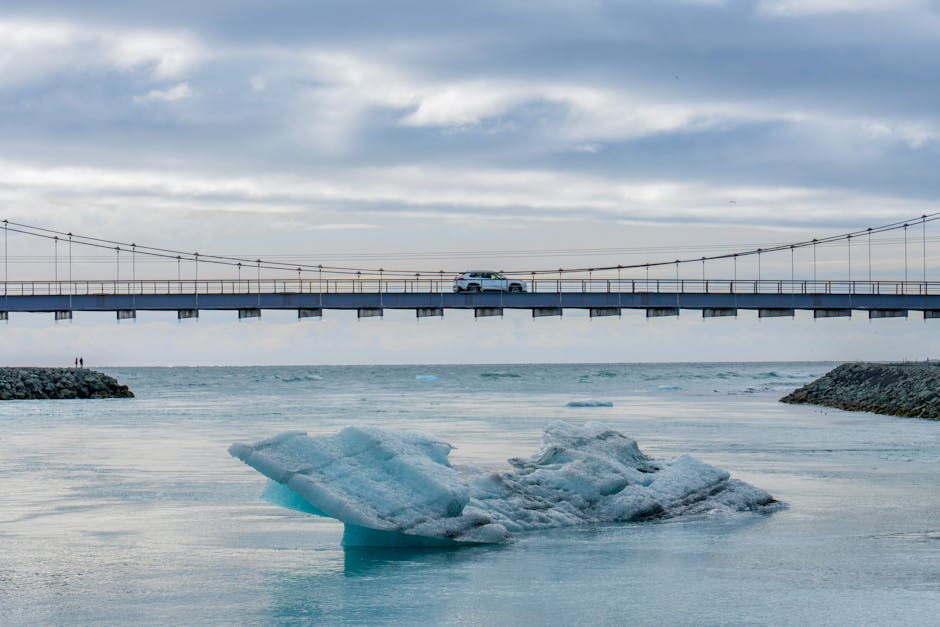
Practical context: on road 939 (Diamond Circle region) or near Þjórsárdalur you’ll hit bridges with limited sight lines. In rain the gravel gets slippery; don’t force it. Keep your insurance current — even a small scrape on a bridge can be costly.
5. The Weather Trap: Invisible, Fast and Unannounced
What guides tend to sugarcoat: Icelandic weather is the most dangerous and unpredictable variable. Local golden rule: check the weather every hour when you’re on the road. The classic mistake is leaving with a “good” forecast and then ignoring it once you’re driving.
How to spot the trap:
- Low clouds forming quickly over ridges; if a summit clouds over in 10–15 minutes, a front is approaching.
- Dark streaks on the horizon and violent winds bending vegetation; crosswinds on gravel kick up stone clouds (sandblasting).
- Local weather that contradicts the app (Icelandic Met Office) — trust the sky more than the screen.
How to avoid it:
- Check vedur.is (Icelandic Met Office) and road.is (state road conditions) before every departure. road.is lists F-road closures and sandstorm warnings.
- Gear up: bring warm layers, a windproof jacket and protective goggles for dust and sand. In a sandstorm, close everything up and wait — sand can create micro-cracks in paint and break windscreens in minutes.
- If visibility drops below 100 m, stop and find safe shelter. If that shelter is a parking area, kill the engine and wait. Too many travelers expose themselves to hypothermia by pushing on.
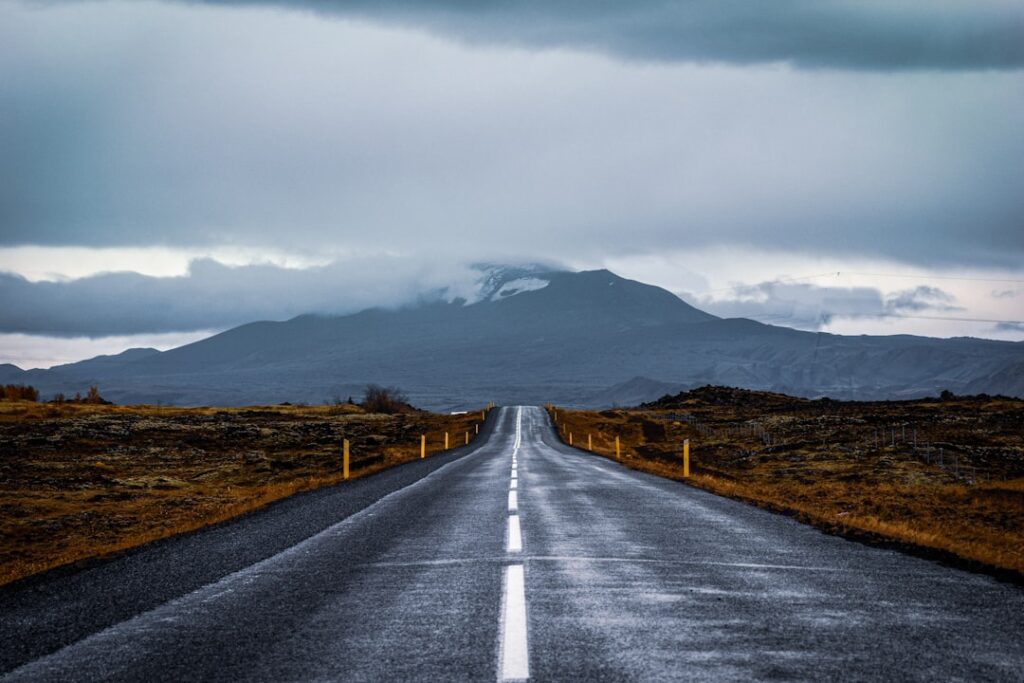
Local tip: microclimates change quickly at mountain passes. A coastal route might be calm, while the highlands are in a different weather zone. Plan a Plan B and tell someone your itinerary (accommodation, campsite). Emergency services in Iceland are reached via 112; keep that number handy.
Conclusion — Practical Recap and the Ultimate Local-Detective Tip
What guides don’t really say is that Iceland demands respect: respect for rules, weather and mechanics. The local golden rule is simple and repeats because it works: plan, equip, and remember that the smallest detour to avoid a risky ford is cheaper than a tow. The classic trap to avoid, over and over, is overconfidence in scenery alone. Yes, back roads can deliver sublime panoramas — Fjallabak, Skaftafell, or the little track to Lake Mývatn — but you must get there safely.
Practical action checklist:
- Check your insurance: get gravel and windshield protection; ask explicitly whether fords are covered.
- Plan fuel: don’t drop below one-third; mark N1/Olís/Orkan stations on your route and note opening hours.
- Inspect fords on foot; if in doubt, choose an alternate route.
- Respect narrow bridges: uphill has priority; stop to yield if needed.
- Monitor weather hourly: use vedur.is and road.is; stop if visibility collapses.
- Photograph the vehicle at pickup and keep all rental documents on hand.
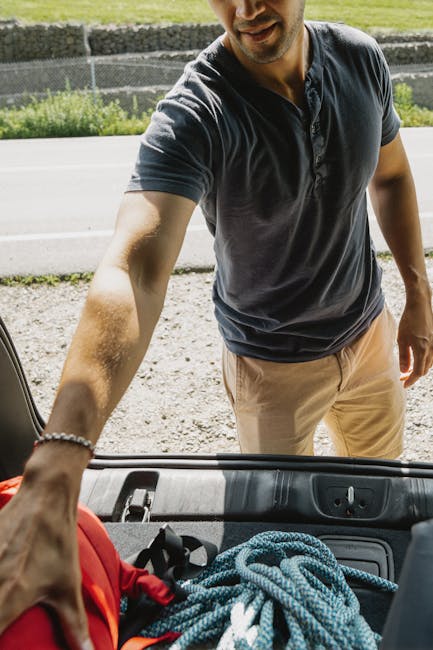
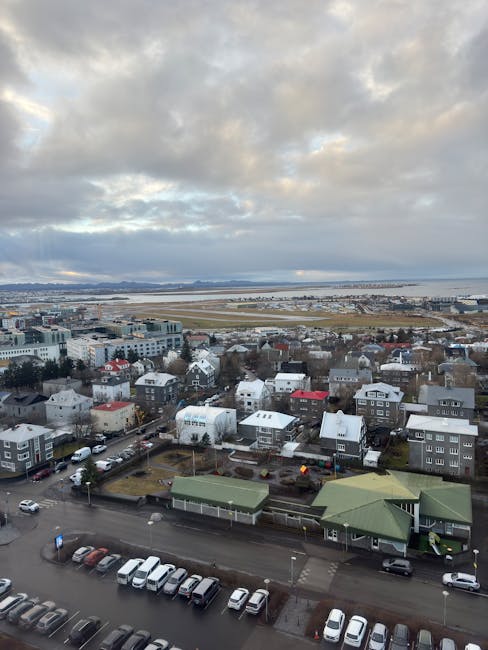
Final investigator’s tip: cultivate humility on the tracks. Icelanders are proud of their wild lands, and they know a beautiful photo is not a safety map. Check with local visitor centers (for example Reykjavík Visitor Centre, Ráðhús Reykjavíkur, Tjarnargata 11, 101 Reykjavík — hours vary; verify online), respect signs, don’t cross private land without permission, leave no trace and always carry a Plan B. Your trip will be safer, easier and far more rewarding if you treat the back roads like a detective: look for clues, anticipate risks, and make decisions based on evidence rather than desire.
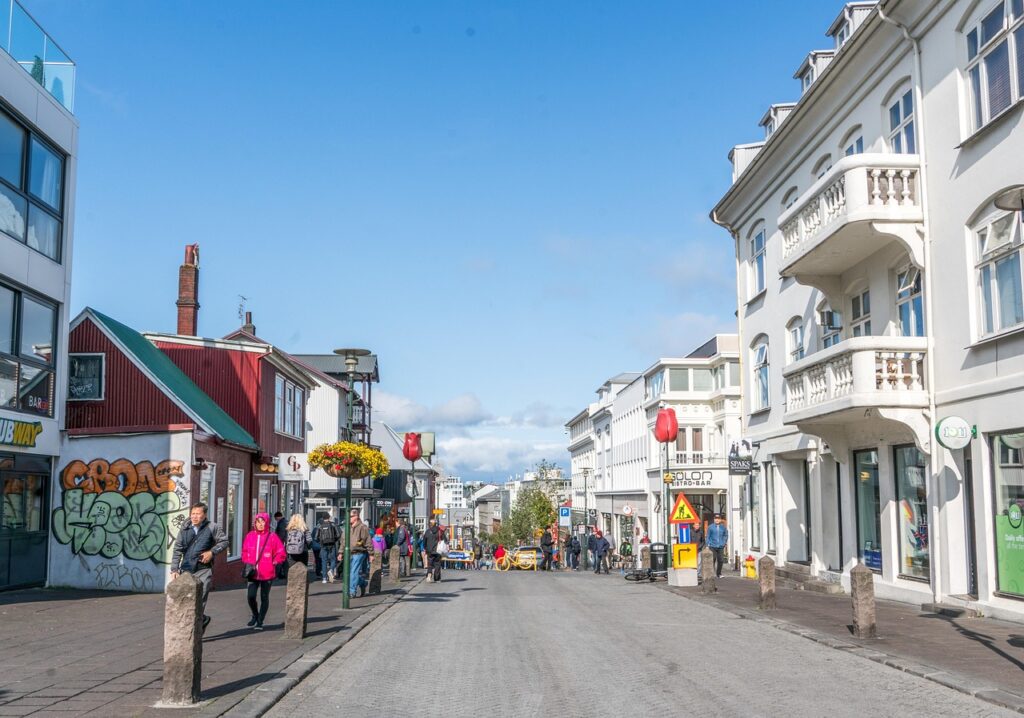
Safe travels — and remember: Iceland is earned, and it rewards those who read it right.