





Introduction — Waterfall anti-guide for Iceland: see the best without the crowds
Iceland is all about water, rock and light: a country where waterfalls are part of the national landscape and fuel dreams of photography and solitude. Yet paradoxically, the most famous falls — Seljalandsfoss, Skógafoss, Gullfoss and the rest — draw tour buses and waves of visitors at predictable times, turning panoramas into queues and trails into human ribbons. This “anti-guide” isn’t about snubbing those spots, but about learning to visit them differently: when to go, which side trails to take, which micro-destinations to favor, what times work best, and which local rules to follow to experience Iceland in a different way.
In this guide you’ll find practical details — full place names, locally used addresses, prices in euros (when applicable), and typical opening hours for visitor centers — alongside immersive recommendations and insider tips for dodging the crowds without sacrificing the experience. We’ll cover alternatives near the famous spots, routes off the beaten path, seasonal tips (summer, polar night, thaw periods) and gear suggestions. The aim is twofold: to help you appreciate the scale and calm of Icelandic waterfalls, and to promote respectful, sustainable visiting.
This anti-guide takes real-world constraints into account: some paid car parks, trails that are dangerous in winter, drone bans near reserves, and weather that can turn an easy path into a hazardous zone in minutes. The addresses we give match the names and postal codes used by tourist offices and local navigation systems — handy for planning routes and for entering precise destinations into your GPS. Prices are shown in rounded euros (approximate conversion from Icelandic krona) and opening times are typical ranges (always double-check before you go, especially out of season).
Finally, because “seeing without the crowds” means being responsible, we stress a few simple but essential rules: don’t cut trails, obey signage, pack out your rubbish, avoid fragile moss vegetation, and follow local safety advice. Leave the waterfall as you found it — or better yet, untouched for the next person.
1. Seljalandsfoss and quieter alternatives (South Iceland)
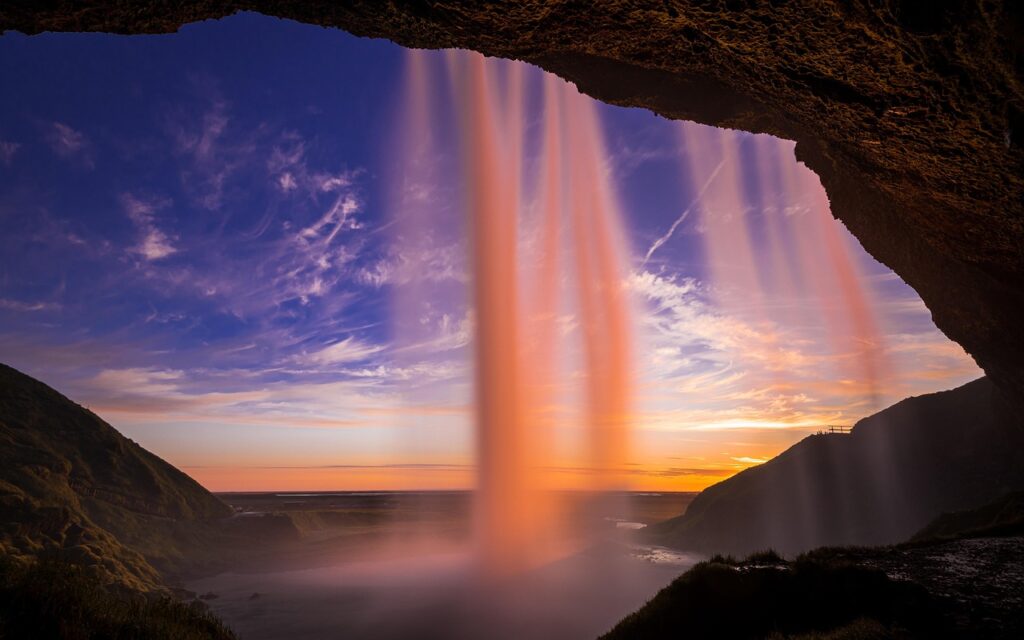
Seljalandsfoss is often the first box ticked on the extended Golden Circle itinerary: the waterfall you can walk behind. Local address: Seljalandsfoss, 861 Hvolsvöllur, Iceland. The official car park sits on Route 1 (the Ring Road) and is open 24/7, though a seasonal visitor centre near the car park may operate from about 09:00 to 18:00 in summer. Access to the waterfall is free; parking in summer is paid — roughly 800 ISK (~€5.50) for a few hours — and some tour buses include access in their fees. In practice, crowds peak between 10:00 and 16:00.
Anti-crowd tips: visit Seljalandsfoss at dawn (sunrise between May and July) or late evening (after 20:00 in summer). To avoid the front-of-falls crush, take the trail up toward Gljúfrabúi, a small hidden waterfall less than a ten-minute walk away: Gljúfrabúi, Seljalandsfoss area, 861 Hvolsvöllur — often deserted because it’s little promoted on classic circuits. Walking behind Seljalandsfoss is slippery; waterproof hiking boots and trekking poles are recommended. In winter the path may be closed for safety — check with the visitor centre.
Nearby, less-visited alternatives: a trip to the historic Þórsmörk farm (Þórsmörk valley excursions, sometimes organized from Hvolsvöllur) or the tiny Gljúfrabúi fall (GPS approx: 63.6156 N, -19.9936 W). For photographers, head along the coastal trail toward Dyrhólaey at twilight for crowd-free seaside compositions.
2. Skógafoss and the quieter trail up to the higher falls
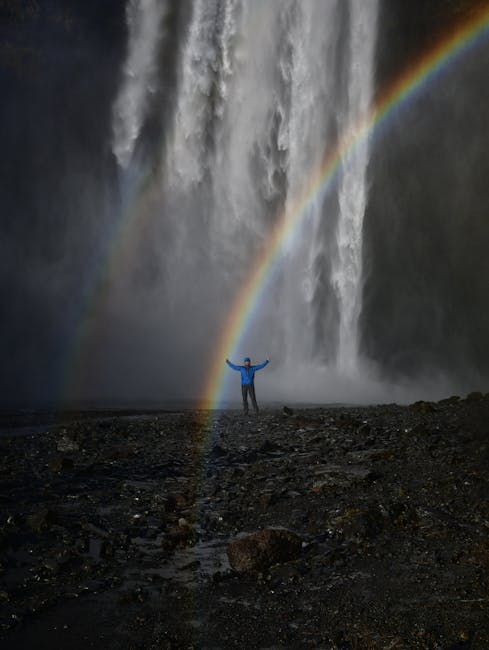
Skógafoss — Skógafoss Waterfall, 861 Hvolsvöllur, Iceland — is impressive (60 m high, 25 m wide) and hugely photogenic, often producing rainbows in clear weather. The official car park sits close to Route 1 and the site is generally open around the clock. There’s no entry fee for the falls themselves; a small nearby museum (Skógar Museum – Skógasafn, Skógum 27, 861 Hvolsvöllur) has variable hours (commonly 09:00–17:00 in summer) and charges about 1000 ISK (~€6.50).
To avoid the crowd at Skógafoss’ base, take the stairway that climbs alongside the cliff toward the Skógá river: the trail leads to a series of lesser-known upper waterfalls (like Kvernufoss and Foss á Síðu). Many visitors stop at Skógafoss’ base; after a 20–40 minute climb you’ll often find entirely empty sections and panoramic viewpoints. Kvernufoss, Kvernufoss, Skógar area, 861 Hvolsvöllur, is a small canyon fall where you can also walk behind the veil of water without the crowds; access is free from the trail and parking is free but limited.
Practical tips: go early (06:00–08:00) or late (after 18:00) in summer. Bring a waterproof jacket and a rain cover for your camera — the spray near Skógafoss’ base is powerful. Watch out for cliffs and slippery rocks. Drones are subject to Icelandic regulation; check local restrictions before takeoff (respect birdlife and visitor safety).
3. Gullfoss and finding less-crowded riverbanks
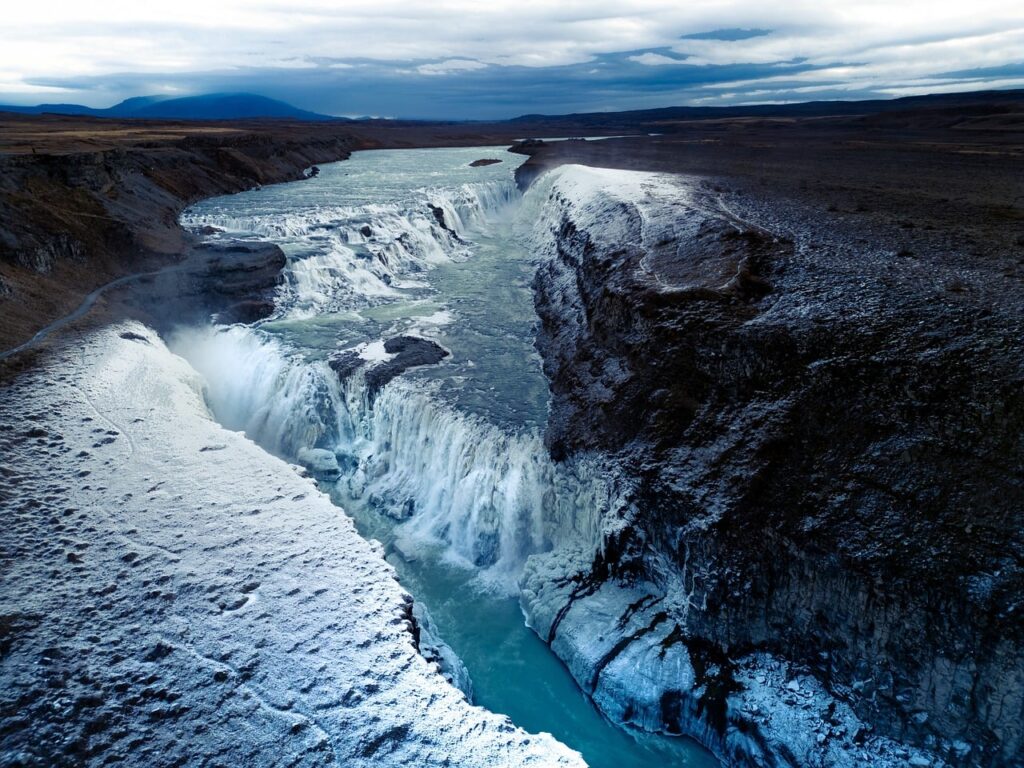
Gullfoss (Gullfoss Waterfall, Gullfoss, 846 Bláskógabyggð, Iceland) is one of the southwest’s icons and a staple of Golden Circle tours. The visitor centre address is often listed as Gullfoss Visitor Center, Gullfoss, 846, and it has a shop and café. The site is accessible year-round; the Gullfoss Visitor Center has seasonal hours (typically 09:00–17:00 in summer) and parking is free for visitors. Access to the main viewing platform is open.
Despite its popularity, there are ways to escape the masses: walk along the Hvítá river upstream or downstream to find viewpoints that see fewer people. The lower (southern) trail is usually busier; by contrast the northern trail, a few hundred metres away and reachable from a secondary car park, offers more open views and a stronger sense of solitude. Winter can also offer peaceful moments: Gullfoss turned into ice sculptures at dusk is incredibly quiet, but be cautious of ice and strong winds.
Local tips: avoid 11:00–15:00 in summer. If you want an almost-private visit, plan to arrive before 08:30 or after 20:00. The visitor centre café serves simple meals (soup, sandwiches) priced around €9–15 — decent value for warming up. Respect barriers and don’t get too close to the edge: Hvítá’s currents are powerful and unpredictable.
4. North and East waterfalls: Dettifoss, Goðafoss and quieter alternatives
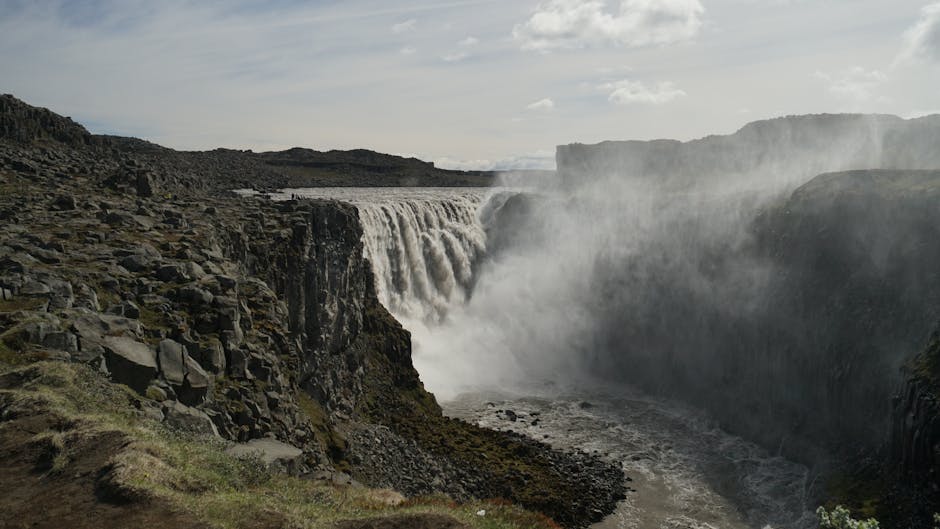
Iceland’s north and east host waterfalls that are often less crowded than those in the south: Dettifoss and Goðafoss are notable examples, though they still attract visitors. Dettifoss, Dettifoss Waterfall, 660 Mývatn, Iceland, is famed for its sheer force; access is from road 864 (or 862 depending on the season). There are car parks on the east (Austurland) and west (Vesturland) sides; access may be limited in winter. No entry fee applies, but some F-roads require a 4×4 and may be closed out of season.
Goðafoss (Goðafoss Waterfall, Goðafoss, 640 Akureyri area, Iceland) is more accessible — local address near Goðafoss, 640, with free parking. Despite its fame, Goðafoss has small north and south platforms: the southern platform, sometimes less busy early in the morning, allows more intimate compositions. For a very quiet experience, combine Goðafoss with lesser-known falls around Mývatn: Hverfjall and nearby hot springs offer revitalising breaks away from tourist flows.
Anti-crowd advice: in the north, favor looped itineraries and start early. Hiring a local guide can be useful to explore unmarked paths and to provide suitable transport (especially to Dettifoss via F-roads). For safety, beware of spray and crumbly cliffs; in winter bring crampon-capable footwear.
5. Wild alternatives and tips for photographers and hikers
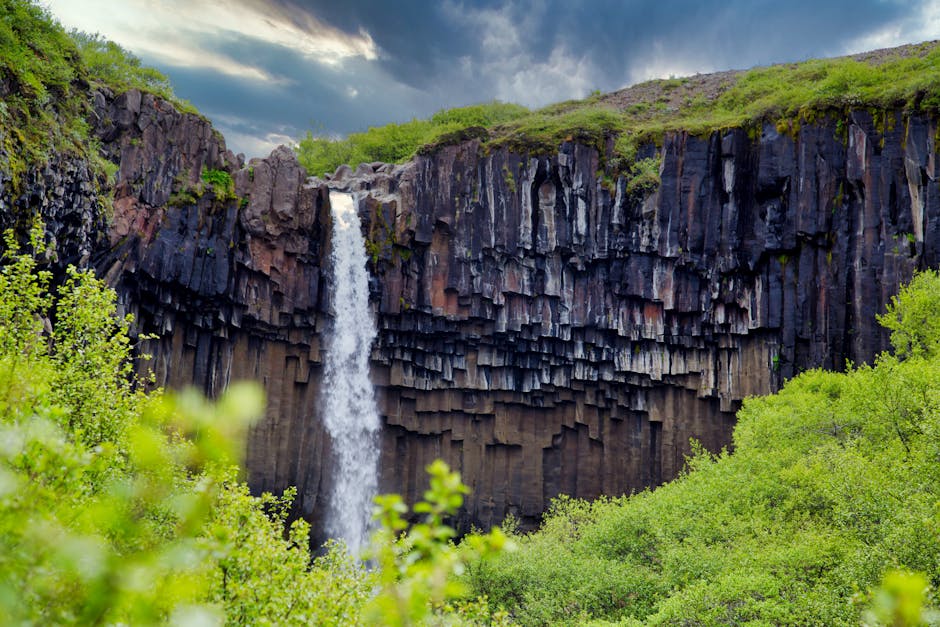
If your aim is to avoid crowds entirely, consider lesser-known falls and hiking routes that require a bit more effort: Svartifoss (Svartifoss, Skaftafell, 785 Öræfi, Iceland) in Skaftafell National Park is famous for its basalt columns but becomes less busy if you continue the trail to secondary waterfalls. Skaftafell Visitor Centre address: Skaftafell Visitor Centre, Öræfi, 785, with summer hours often 09:00–18:00; national park parking costs about 700 ISK (~€4.50).
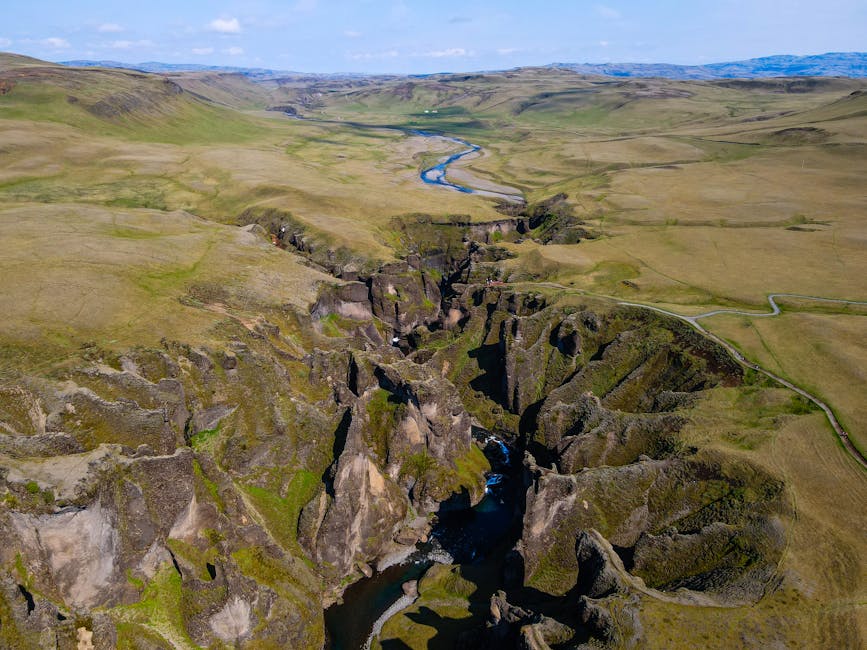
Other gems: Aldeyjarfoss (Aldeyjarfoss, Bárðardalur, 664, Iceland) in the north, reached by a track and often requiring a 4×4; Svörtuloft and the small falls along the Fjaðrárgljúfur canyon (Fjaðrárgljúfur, 881 Kirkjubæjarklaustur) are quieter outside July–August. These routes demand preparation: a topographic map (or an offline GPS app), water supplies, warm clothing and basic knowledge of Icelandic weather patterns.
Photography tips: use ND filters to smooth water motion, but remember to protect your kit from spray and humidity. Golden-hour light is short in winter but extended in summer — experiment with late golden hours. For hikers: check local forecasts (vedur.is), respect wildlife (nesting seabirds), avoid walking on fragile moss, and let someone know your route if you venture into isolated areas.
Conclusion — Travel smart, see more and see better
Seeing Iceland’s most beautiful waterfalls without the crowds takes a mix of planning, curiosity and respect. This guide has given you practical leads: visit popular attractions outside peak hours, explore upper and side trails, factor in season and weather, and favor lesser-known alternatives. The addresses mentioned (Seljalandsfoss, 861 Hvolsvöllur; Skógafoss, 861 Hvolsvöllur; Gullfoss, 846 Bláskógabyggð; Dettifoss, 660 Mývatn; Goðafoss, 640 Akureyri; Skaftafell Visitor Centre, 785 Öræfi) will help you plan routes and provide clear GPS or guide directions.
Always follow local rules: don’t cut paths, don’t walk on moss, and put your rubbish in designated bins. Be aware that many F-roads require a 4×4 and that certain areas close seasonally. Investing in technical clothing, waterproof hiking boots and solid protection for your camera gear will transform your trip — not only to avoid crowds but to fully experience the raw and changeable atmosphere of Icelandic waterfalls.
In short, the anti-guide is an invitation: get up early, walk a little further, look for the small valley on the right instead of the central platform, and welcome the unexpected. Iceland will reward you with spectacular solitude if you know where and when to look — and above all if you respect the places. Safe travels, stay careful on the trails, and shoot inspired photos.