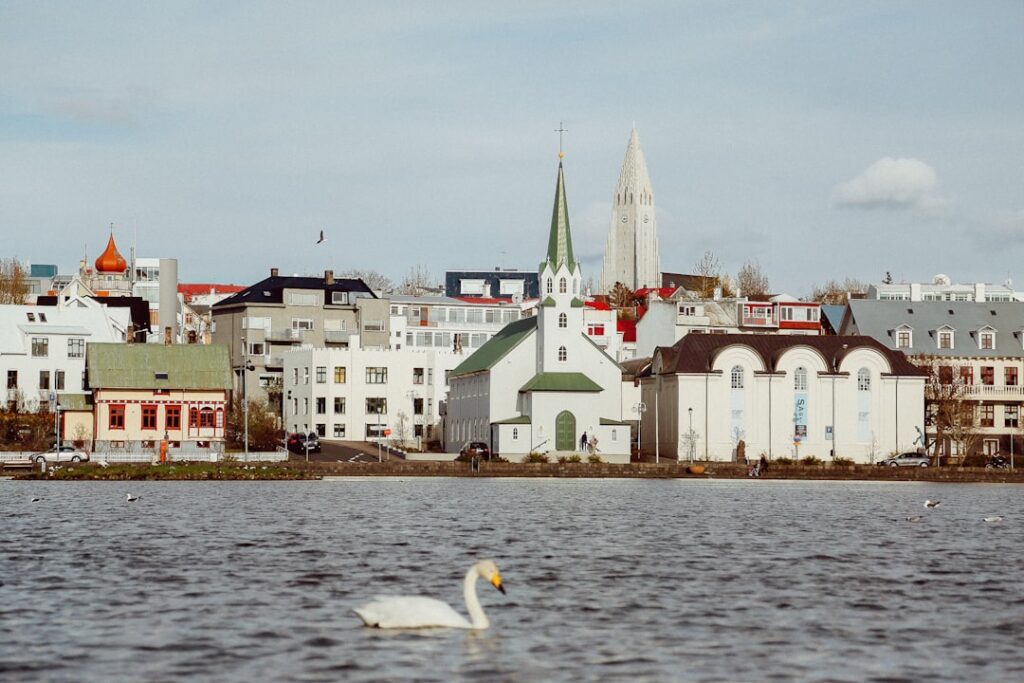






Introduction — Iceland Tourist Traps: Where the Road Plays Tricks
Iceland draws hundreds of thousands of visitors every year with its raw, dramatic landscapes: thunderous waterfalls, blue glaciers, black sand beaches and roads that disappear into otherworldly vistas. But that beauty can turn into a trap — logistical, touristic or financial — if you don’t know what to watch for. This guide is a practical, professional and immersive rundown to spot and avoid the main road- and visitor-related pitfalls in Iceland. It’s aimed at both self-driving travelers and those on guided tours.
We cover specific places with full addresses, typical opening hours and prices in euros so you can plan without nasty surprises. You’ll find detailed descriptions of common traps: over-commercialized attractions, scarce fuel stations on F-roads, poorly signed paid parking, glacier excursions sold at wildly varying prices, and weather traps where a road becomes impassable in a few hours. Each section includes concrete local tips: how to read an Icelandic forecast, which tires and insurance to choose, how to dodge the crowds at Gullfoss or Reynisfjara (Vík í Mýrdal), and when it’s worth paying for services instead of getting ripped off.
We’ll also stress safety — for example why it’s unwise to stray off marked paths in Skaftafell (Vatnajökull National Park), how to behave around the hot springs at Haukadalur (Geysir) to avoid burns, and which rules apply on F-roads (unpaved mountain roads reserved for 4x4s). Practical info like Blue Lagoon (Bláa Lónið) prices, Jökulsárlón visitor centre opening hours, or zodiac trip costs from Höfn or Jökulsárlón will be given in euros to help budgeting. Finally, we’ve added visual markers at strategic points to help you identify landscapes and viewpoints most likely to catch you out — and the ones that are truly worth stopping for.
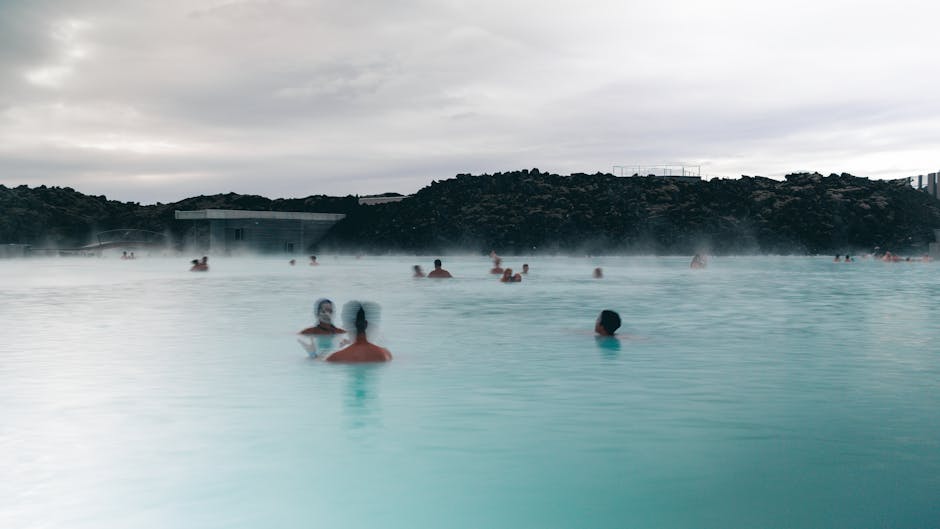
1) The Golden Circle: when conveniences become traps
The Golden Circle remains the first stop for most visitors: easy from Reykjavík, it bundles Þingvellir (Thingvellir National Park), Haukadalur (Geysir) and Gullfoss. These sites are well set up, but their popularity creates specific traps.
Gullfoss (Gullfoss Waterfall), located at Gullfoss, 806 Selfoss, Iceland, is open year-round; site access is free, but the official parking lot is the Gullfoss car park and may be charged for depending on the season (roughly €5–8 per vehicle in summer). The site itself is generally accessible 24/7 but the visitor centre has varying hours (often 09:00–18:00 in high season). The trap: unofficial attendants or private parking operators sometimes offer spots at inflated rates when the official lot is full — look for the official blue signs and prefer the municipal car park.
Haukadalur (Geysir Geothermal Area), Haukadalur, 806 Selfoss, Iceland, is reached via routes 35 then 37. Entry is free, but the on-site cafés and shops charge high prices: a coffee and a pastry can easily run €10–15 each. Shops usually open around 09:00–19:00 in summer and shorter hours in low season. The physical risk here is real: several boiling pools are unstable and some visitors ignore barriers for photos — heed the safety signs: thermal accidents happen.
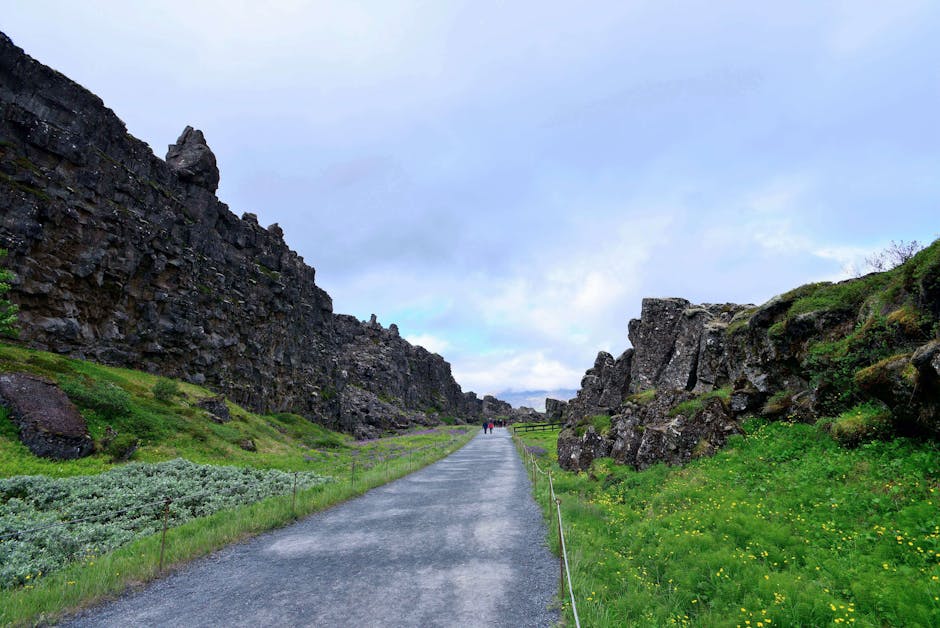
Þingvellir National Park (Þingvellir), Þingvellir, 801 Selfoss, Iceland, has a visitor centre at Þingvellir Visitor Centre, Hakið, 801 Selfoss. Park entry is free, though access charges have been considered for certain roads in summer; parking may cost about €3–6. The tourist trap here is crowding: main paths are congested between 11:00 and 15:00 — to avoid the busiest periods arrive early (before 09:30) or after 17:00. The rifts and historic sites are fragile — don’t follow unmarked trails.
2) The South Coast and coastal roads: stunning sights and impulse spending
Iceland’s south coast (the main Ring Road, Route 1) packs many iconic stops: Seljalandsfoss, Skógafoss, Reynisfjara (Vík í Mýrdal), and Skaftafell (Vatnajökull National Park). Their proximity makes them easy to combine in a day — which is exactly the trap: you’ll be tempted to chain stops without leaving room for bad weather, queues and unexpected delays.
Seljalandsfoss (Seljalandsfoss Waterfall), Seljalandsfoss, 861 Hvolsvöllur, Iceland (GPS: 63.6156° N, 19.9886° W), has a paid car park (≈€4–6) and the trail behind the falls can be closed for safety in icy conditions. Site access outside is generally free 24/7, but paths are often closed at night in winter. Trap: underestimate the mud and ice — bring sturdy shoes, a waterproof jacket and protect your electronics.
Skógafoss (Skógafoss Waterfall), Skógar, 861 Hvolsvöllur, Iceland, has a large parking area (free in low season, about €3–5 in high season) and a path with over 500 steps that leads to the top. The trap: some photographers get too close to the base where the spray makes rocks slippery. Travel insurance may not cover rescue costs if you’ve ignored warning signs.
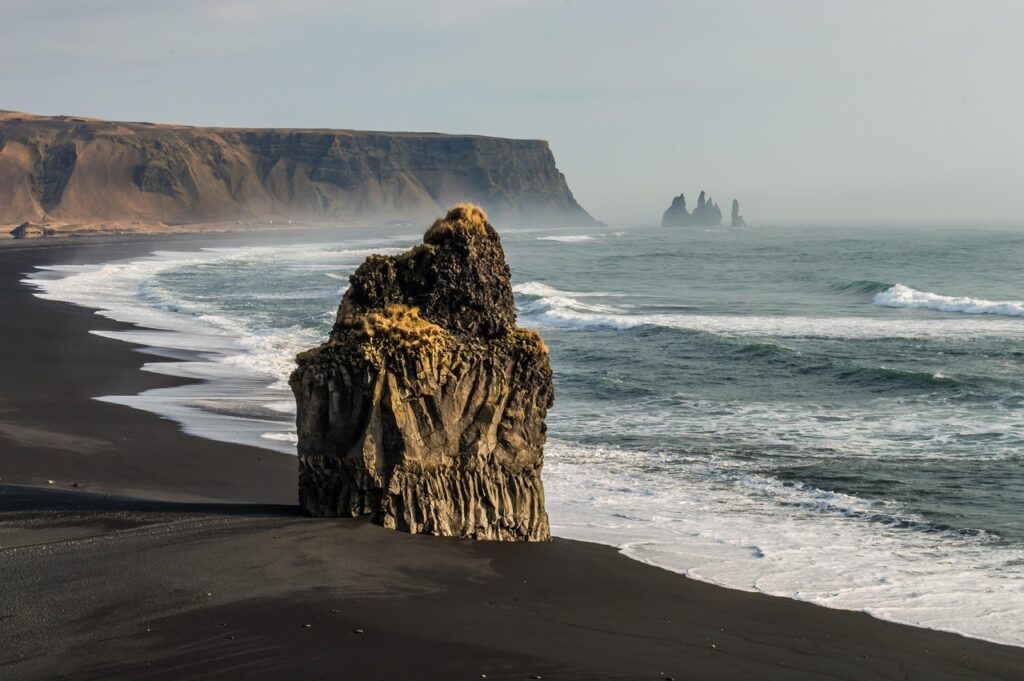
Reynisfjara Beach (Reynisfjara black sand beach), Reynishverfi, 871 Vík, Vík í Mýrdal, Iceland, is at 871 Vík í Mýrdal. The beach is famous for its basalt columns and dangerous « sneaker waves. » No entrance fee but the car park is paid (about €4). Accessible 24/7, it’s especially hazardous at night. The major trap is ignoring the waves — several fatal incidents have occurred. Keep your distance, follow signage, and avoid edge-of-water photos.
3) F-roads, glaciers and mountain tracks: the false freedom of a 4×4
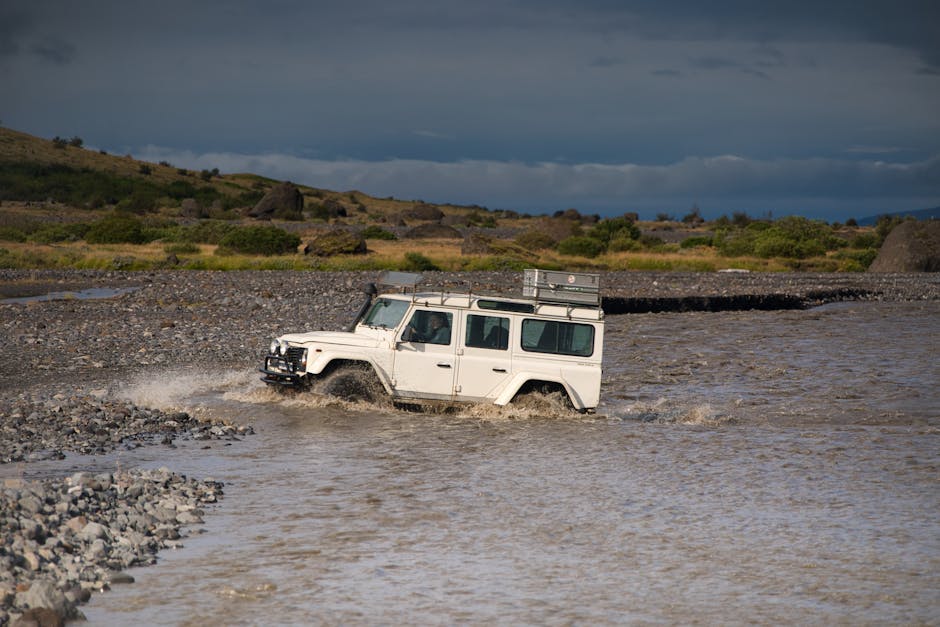
Taking an F-road (mountain tracks like F208, F35 Kaldidalur or F910 toward Askja) promises adventure, but often turns optimistic travelers into victims. F-roads are reserved for properly equipped 4x4s and are often closed outside summer. River crossings are risky and towing services are extremely expensive.
Example: Kaldidalur (F35 Kaldidalur Route, north-south interior track), with possible starts near the Bifröst/Faxi area. Access changes with the weather; road signs indicate seasonal openings. The trap: some rental companies sell a « gravel insurance » but still prohibit F-road use — if you damage the vehicle on an F-road you’ll be charged. Rent a 4×4 explicitly authorized for F-roads if you plan to go there. 4×4 rental rates typically run €70–180 per day depending on season, plus insurance €15–40.
Askja caldera (Askja, Dyngjufjöll region) and Kerlingarfjöll (Kerlingarfjöll Mountain Resort, Kerlingarfjöll, 850 Blönduós area) are highland areas with basic parking and occasional mountain huts. Approaches to Askja include river crossings and may require a permit or a guide. Trap: some agencies offer « self-drive » tours without clarifying that roads can be closed several days a week depending on weather; always check the latest updates on road.is (Icelandic Road and Coastal Administration) and safetravel.is.
Glaciers: joining a glacier walk without a certified guide can be deadly. Recognized operators such as Icelandic Mountain Guides (office: Aðalstræti 32, 101 Reykjavík) charge roughly €75–150 for a half-day walk, while technical outings and more advanced trips exceed €200. Uncertified tours are often cheaper (€40–60) but dangerously so. Always check included gear (crampons, ice axe) and the guide’s qualifications.
4) The glacier lagoon and tourist services: prices, hours and scams
Jökulsárlón (Jökulsárlón Glacier Lagoon), Jökulsárlón, 781 Höfn í Hornafirði, Iceland, is one of the most photogenic spots in the country. The car park sits next to Route 1 and is often paid (≈€5–8). Zodiac or amphibious boat trips (Bræbyrgðin/Zodiac boat tours) usually cost between €45–100 depending on duration (30–75 minutes). For example, Fjallsárlón & Jökulsárlón Boat Tours list fares around €55–95 per adult (check directly). Visitor hours: roughly 08:00–20:00 in summer; reduced in low season.
The trap: many “free boat tours” are pitched by unofficial sellers in the car park — avoid them, they’re illegal and dangerous. Buy tickets only at official booths or online through certified operators. There are also roaming sellers offering “iceberg tours” at bargain prices who divert clients to uninsured boats.
Skaftafell Visitor Centre (Skaftafell Visitor Centre, Skaftafell, 785 Öræfi, Iceland) is part of Vatnajökull National Park. Summer hours are roughly 09:00–18:00 (low season 10:00–16:00). Trails are free but guided glacier trips are paid (€60–160). The trap: market stalls near the centre sell overpriced crafts and souvenirs (wool sweaters €80–150). For better local prices, check the Skaftafell campsite shop or pick up supplies at nearby supermarkets (Netto, 785 Öræfi – hours vary).
Finally, the Blue Lagoon (Bláa Lónið), address: Norðurljósavegur 9, 240 Grindavík, Iceland, is extremely well run but can tempt you to overspend. Typical rates: Comfort package ≈€69–€99, Premium ≈€109–€169 depending on season. Opening hours start as early as 07:00 and run until 23:00 or midnight in summer; hours vary. Common trap: buying on arrival is usually more expensive; book online in advance and factor in extras (masks, drinks, towels) which add up quickly.
Conclusion — Smart planning, safe driving and respect for the country
Iceland offers unforgettable experiences, but the savvy traveler avoids traps by planning the route. Three final recommendations: (1) book and plan ahead — Blue Lagoon, Jökulsárlón zodiacs and glacier guides often sell out or spike last-minute; (2) respect road rules and the weather — check road.is and vedur.is (Icelandic Meteorological Office) before each departure, don’t take F-roads without an authorized vehicle or permission; (3) avoid deals that look too good — buy tickets and services only from certified operators and check your rental car insurance conditions.
Practically speaking: expect to pay €4–10 for most tourist car parks, €45–100 for zodiac trips at Jökulsárlón, €69–169 for standard Blue Lagoon packages depending on the option, and about €70–180 per day for a 4×4 rental (excluding extra insurance). On-site shops around the Golden Circle, south coast and Jökulsárlón charge high prices for food and souvenirs — buy provisions in town supermarkets (Bonus, Krónan, Netto) to keep costs down.
Finally, behave respectfully: don’t trample fragile vegetation, take all your litter with you, and stick to marked trails. Rescues and emergency services are real and costly; when in doubt call 112 for emergencies. With a little preparation, respect and caution, Iceland will remain a magical destination without turning you into a victim of « tourist traps. » Safe travels, careful driving, and great discoveries!