





Introduction: preparing for rural travel in Iceland
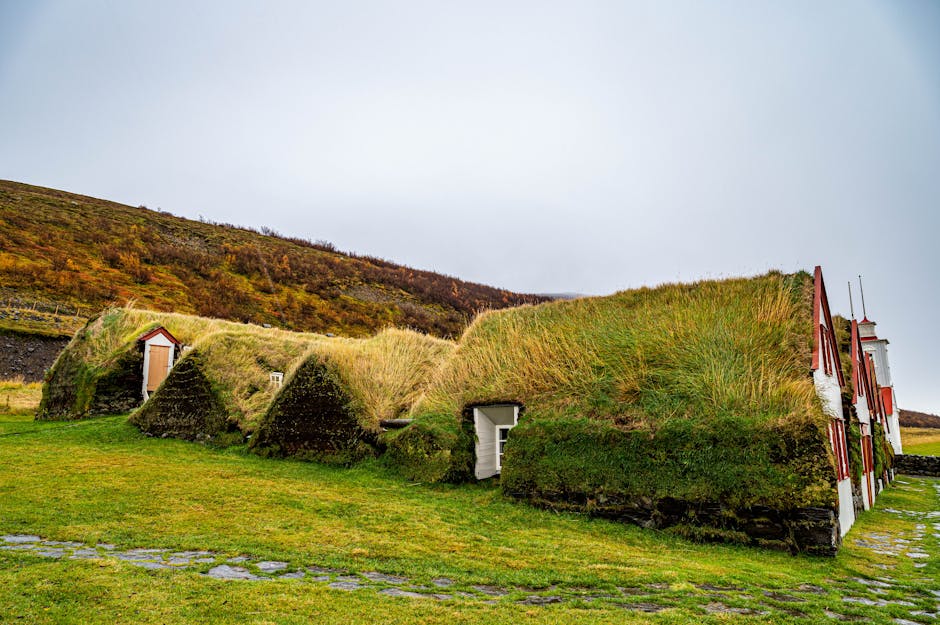
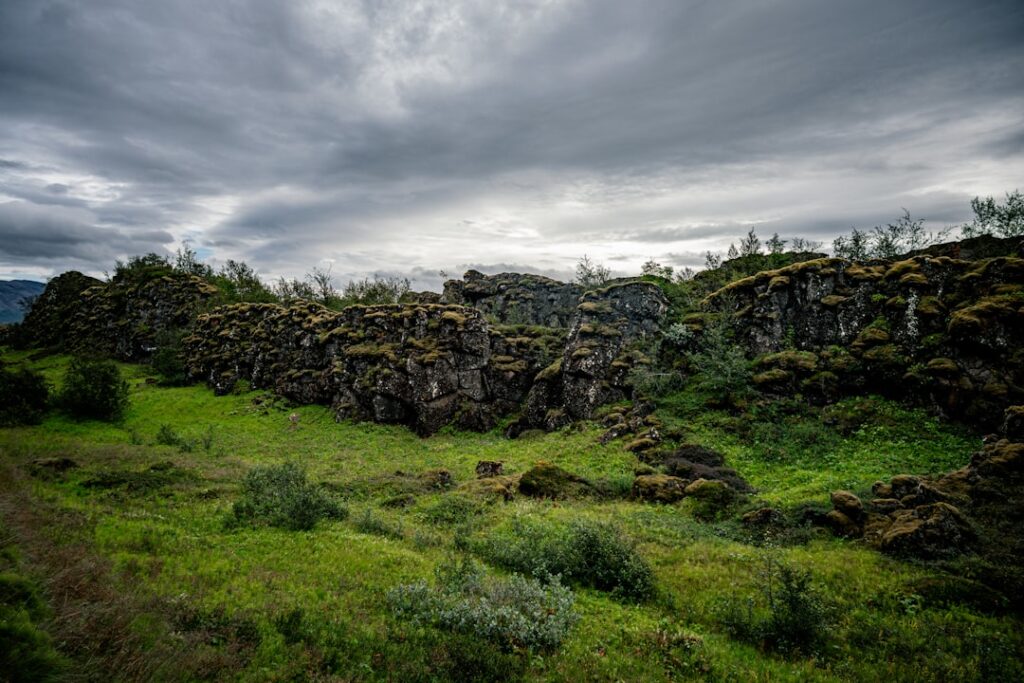
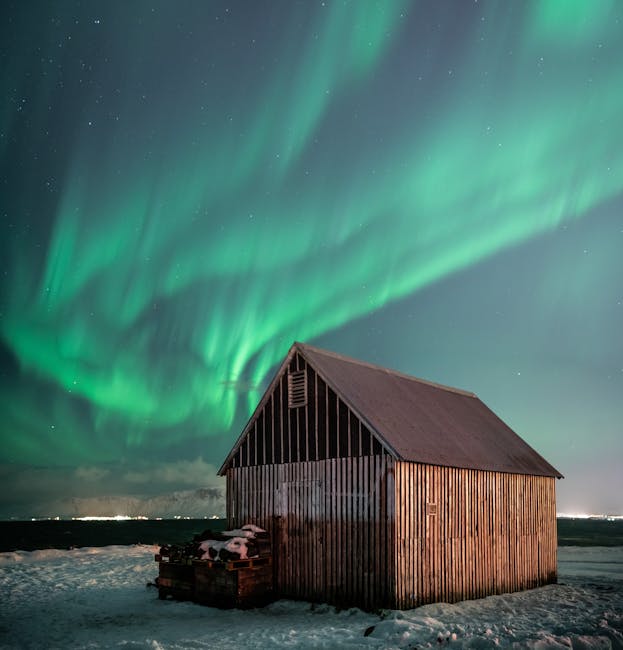
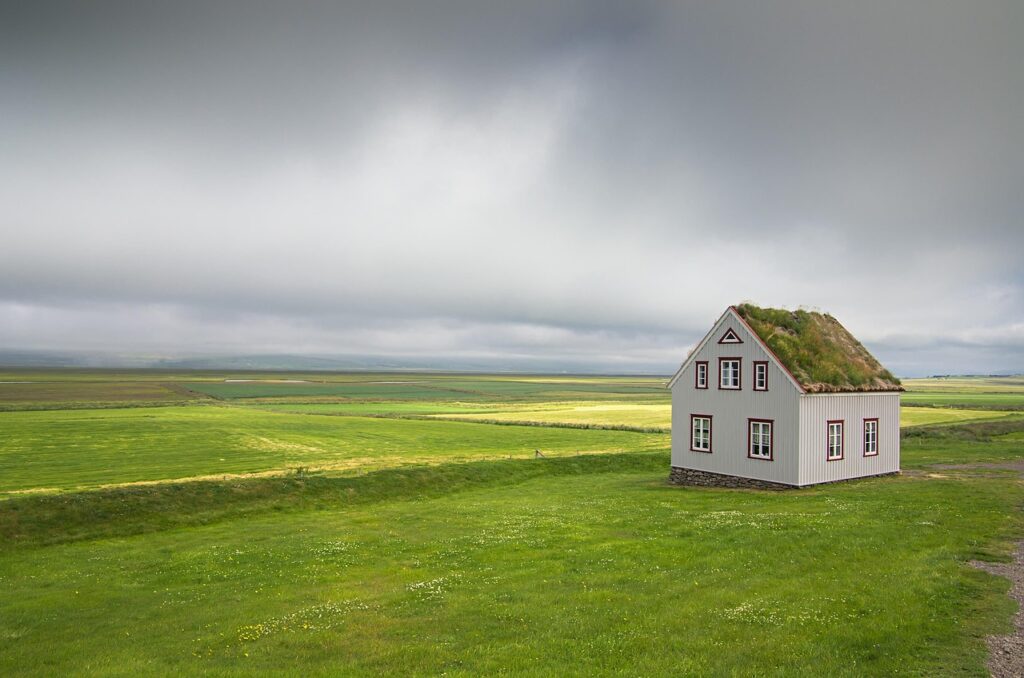
Iceland is a land of staggering beauty: lava fields, vast glaciers, jagged fjords and seemingly endless volcanic plains. Traveling in rural Iceland, away from the main towns, is a unique experience but one that requires careful preparation. Distances are long, weather can change within hours, roads can become impassable, and hotel infrastructure thins out outside the main routes. This guide focuses on the essential basics to maximize your safety while traveling in Iceland’s rural areas, combining practical tips, official resources, and concrete examples of useful locations — with addresses, opening hours and indicative price ranges in euros to help you plan.
Above all, always do your homework: check weather bulletins on Vedur.is (the official site), verify road conditions on Road.is (Icelandic Road and Coastal Administration) and register your trip on SafeTravel.is so local authorities know where you are. In Iceland the emergency number is 112; mobile phone service and network coverage can be limited in valleys and on the highlands. Bring a paper map, a powerful power bank and consider a PLB (Personal Locator Beacon) or a satellite communicator (eg. Garmin inReach) — a smart precaution for hikers and anyone driving F-roads.
This guide will cover concrete aspects: how to choose and inspect the right vehicle (a 4×4 is recommended for F-roads), understand local driving rules (speed limits, river crossings, livestock crossings), manage human and material resources (food, water, fuel), navigate and reach the nearest assistance center when needed. We’ll also list specific useful locations for anyone traveling rurally — information centers, huts, main fuel stations — with addresses, opening hours and indicative prices in euros. Local tips, like respecting fences and agricultural roads or being cautious on coasts with heavy surf, will help you minimize risk while fully enjoying Iceland’s spectacle.
Finally, the safest approach in rural Iceland is proactive caution: set off early, don’t underestimate the terrain or the weather, share your itinerary and always have a Plan B (and C). This guide aims to be practical and actionable: it gives checklists, local contacts, visual cues to quickly recognize essential facilities, and budget estimates (prices, hours) so you can plan realistically. Read each section carefully before you leave and keep critical information in both printed and digital form.
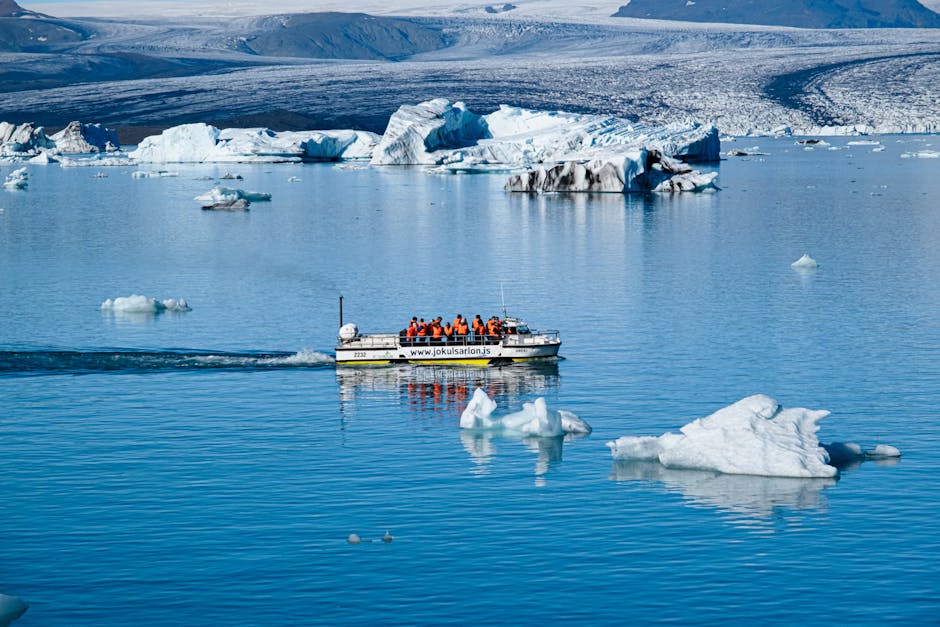
1) Before you go: documents, insurance, gear and planning
Good trip preparation starts with an administrative and gear checklist. Documents: your passport or ID card, an international driving permit (recommended if your national license isn’t in Latin script), your insurance green card, and a copy of your vehicle and accommodation bookings. In Iceland, car rentals often require a credit card in the driver’s name for the security deposit.
Insurance: choose travel insurance that covers repatriation and medical costs, and take comprehensive car insurance that includes protection against flying stones, theft, immersion and undercarriage damage. Rental companies commonly offer CDW (Collision Damage Waiver) and SCDW (Super CDW). Expect roughly €10–25 per day for a standard protection package, and €25–50 per day for more complete coverage against specific risks (gravel damage, undercarriage). Also check excess amounts: sometimes it’s worth paying extra to reduce the excess to €0–200.
Recommended equipment:
- Clothing: a layering system (thermal base layer, insulating fleece, windproof / waterproof Gore-Tex outer layer).
- Footwear: waterproof hiking boots with good lugged soles.
- First aid kit: plasters, compresses, bandages, antiseptic, personal medication, emergency blanket.
- Navigation: paper map (Iceland Maps), GPS with offline maps, SafeTravel and Vedur.is apps downloaded, a PLB or satellite device (Garmin inReach: purchase price €300–500 + subscription).
- Car kit: spare wheel, tow strap, shovel, blankets, headlamp, antifreeze, plenty of screen wash, and checked oil level.
- Food & drink: water reserve (2–3 liters per person minimum per day), high-energy non-perishable food.
Route planning: favor short stages in rural areas and plan fallback points in villages that offer services (fuel stations, guesthouses). For example, between Vík and Höfn services are sparse: fill up at Vík (station address: N1 Vík, Miðhraun 1, 870 Vík; summer opening hours 07:00–22:00; fuel price ~€1.90–2.05/L depending on market). Book guided activities in advance: a glacier hike from Skaftafell (Skaftafell Visitor Centre, Skaftafellsvegur, 785 Öræfi) typically costs €60–120 per person depending on duration and supplied equipment (boots, crampons, ice axe).
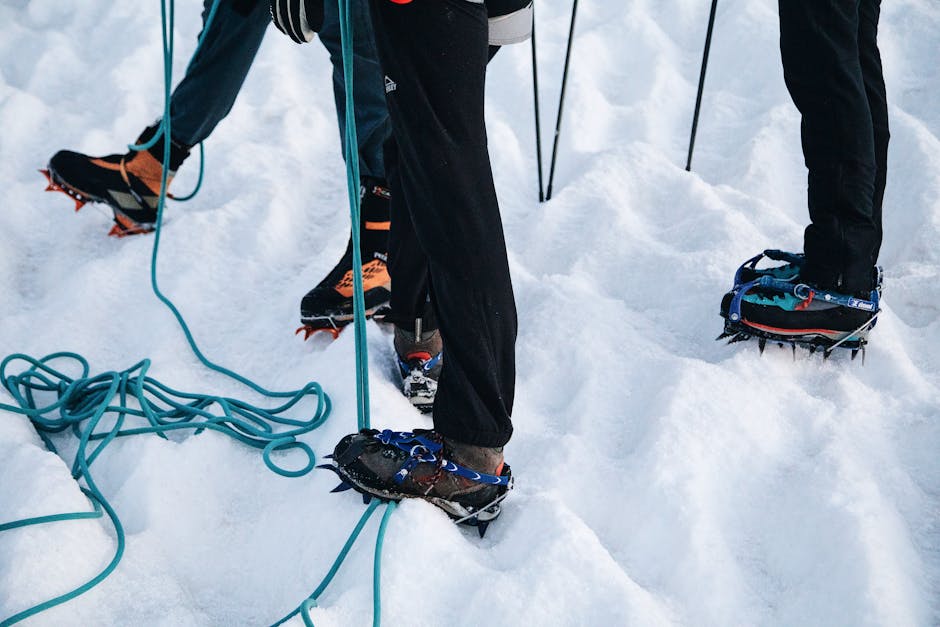
2) Driving and roads: rules, F-roads, river crossings and road safety
Driving in rural Iceland requires attention and specific knowledge. Roads are classified as R (national roads), gravel roads, and F-roads (mountain roads closed to non-4×4 vehicles). F-roads are marked with an “F” before the number (eg. F35). Rental agreements often explicitly forbid taking these roads without proper equipment.
Basic rules: the speed limit is 90 km/h on paved rural roads, 80 km/h on some secondary roads and 50 km/h in populated areas. Gravel roads require reduced speed (40–60 km/h) to avoid throwing stones that can damage your vehicle or the car behind you. Always obey “No Entry” and “Closed” signs — Road.is publishes real-time road closures. Ignoring closures can invalidate your insurance.
River crossings: water crossings are common on F-roads. Gauge depth visually and never attempt to cross fast-moving water or water deeper than your vehicle’s clearance. Rental companies generally advise against crossings if you’re not properly equipped or experienced. If you must cross, approach slowly and steadily, use first or second gear in a low range, and follow an established track if visible.
Vehicle equipment: a high-clearance 4×4 with gravel-suitable tires and underbody protection is necessary for F-roads. In winter, studded snow tires may be mandatory. Rural fuel stations close early and may not accept international bank cards without a PIN — bring cash or check card acceptance. Example: N1 Höfn, Eyravegur 1, 780 Höfn, opening hours 07:00–21:00 (seasonal), fuel ~€1.95/L.
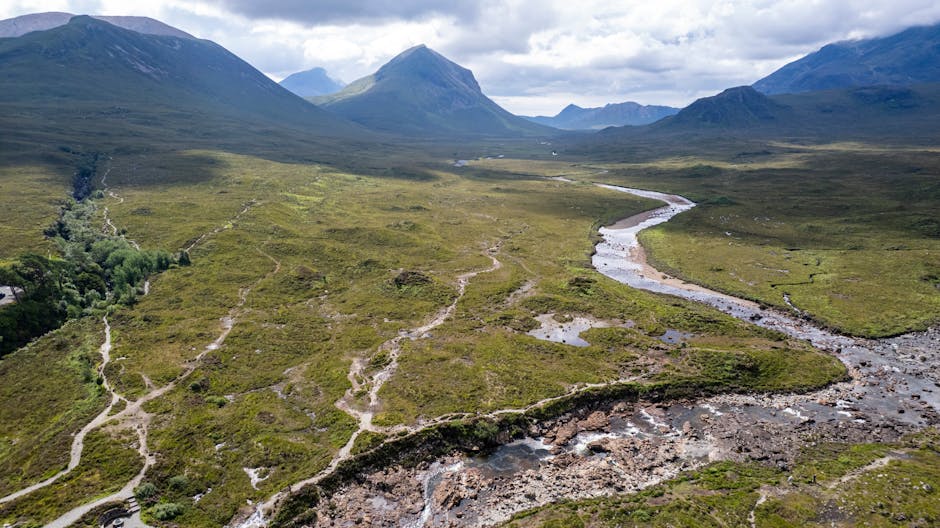
3) Weather, avalanches, ice and glaciology: monitor and respond
Iceland’s weather is notoriously variable: a sunny morning can turn into a snowstorm within hours, even in summer, especially at higher elevations or near glaciers. Use Vedur.is for local forecasts (wind, precipitation, temperature) and follow the meteorological office’s bulletins for storm and avalanche warnings. In glaciated areas (Vatnajökull, Mýrdalsjökull, Sólheimajökull), stay on marked trails and don’t approach glacier fronts or crevasses without an experienced guide.
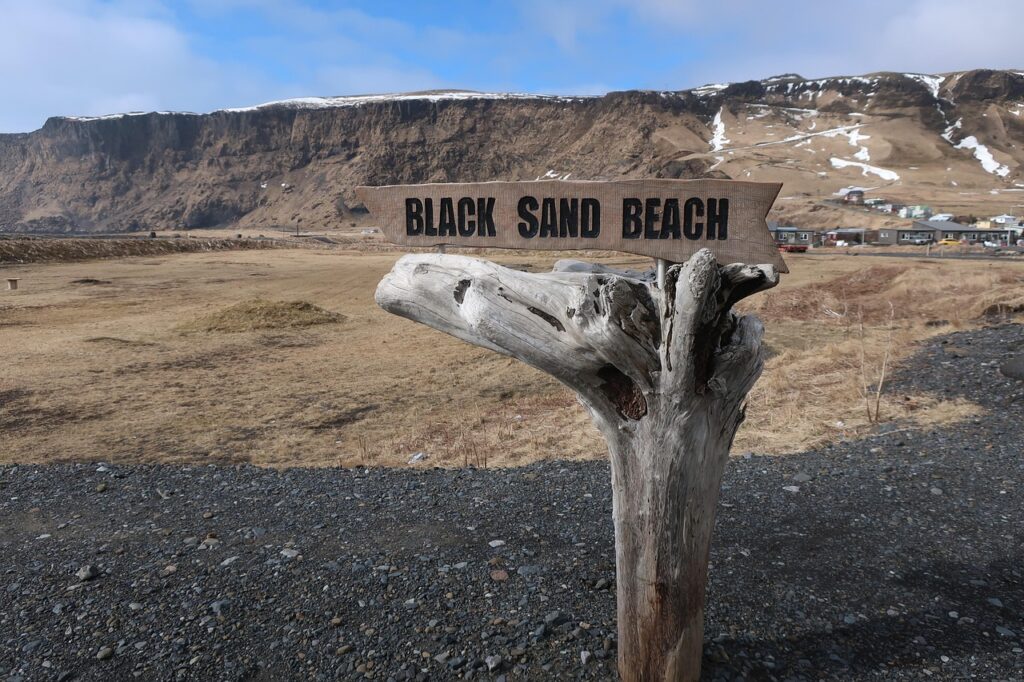
Avalanches and rockfalls are risks in narrow valleys or on steep slopes. Basalt cliffs around Reynisfjara (Reynisfjara Beach, Suður-Vík, 871 Vík) can experience rockfalls; the area is also known for “sneaker waves.” Stay at least 50 meters from the water, heed warning signs and never take your eyes off the sea while taking photos.
Glaciers and crevasses: glacier hikes require crampons, ropes and a qualified guide. At Vatnajökull National Park (Skaftafell Visitor Centre, Skaftafellsvegur, 785 Öræfi), agencies offer guided trips — get written confirmations, check the duration (2–6 hours), and the price (€60–150 depending on the activity). Don’t attempt solo exploration: a fall into a crevasse can be fatal. Local visitor centers post safety notices and opening hours.
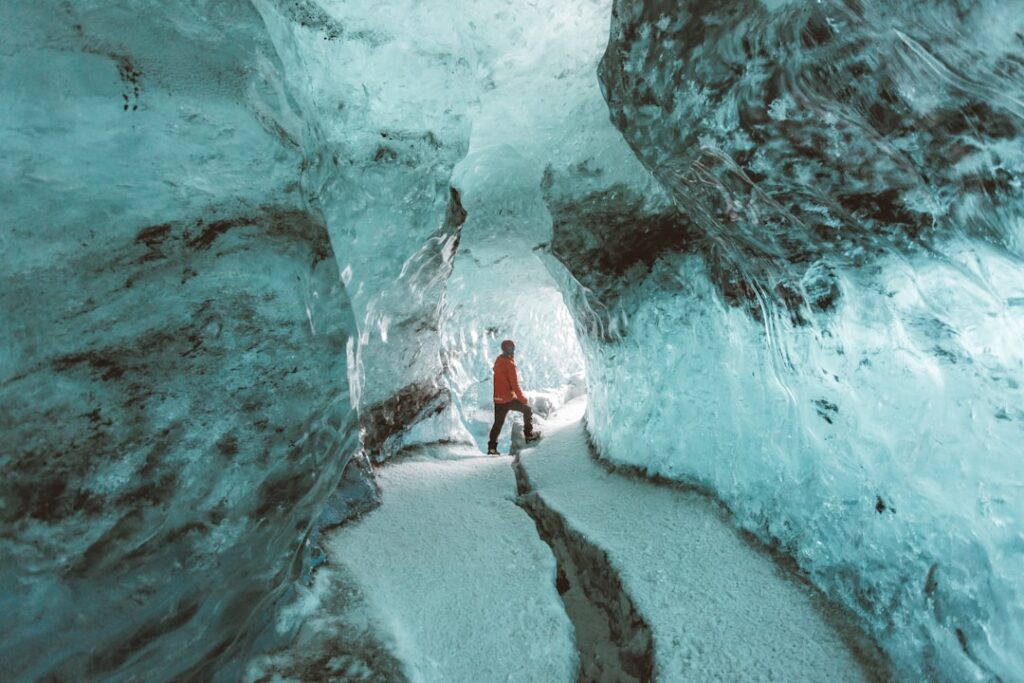
4) Accommodation, huts and emergency services: where to go
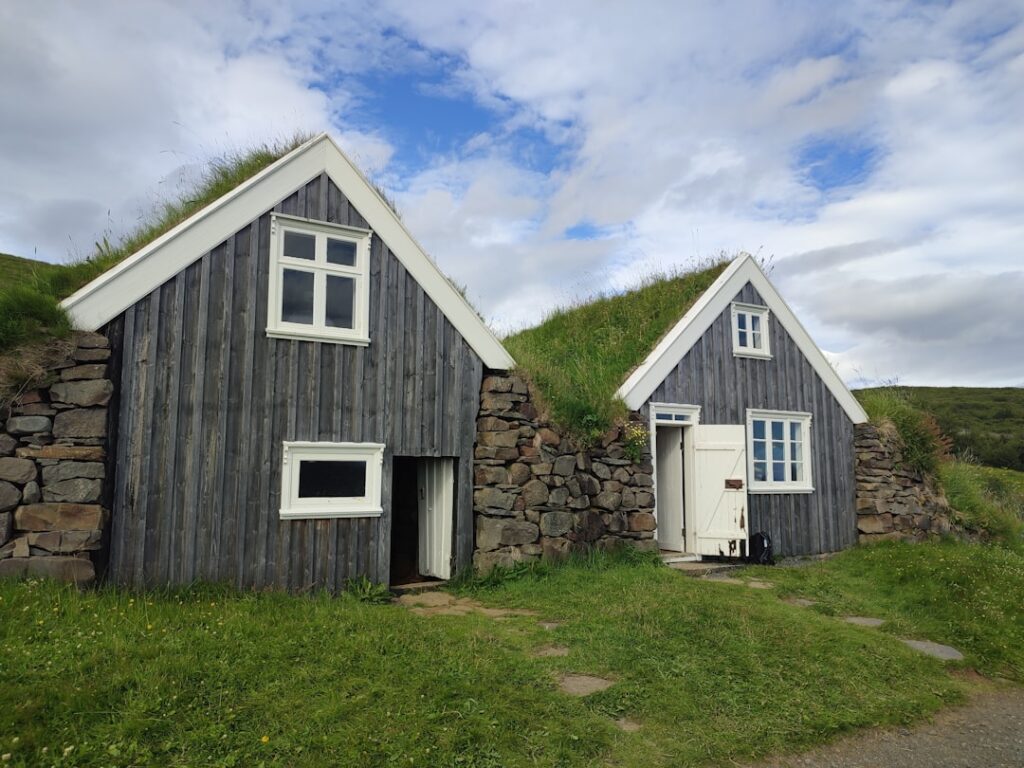
In rural areas, planning your accommodation points is vital: options include mountain huts, campsites, guesthouses and farm stays. Some huts are managed by Ferðafélag Íslands (Icelandic Touring Association): their administrative address can be checked at Sturlugata 8, 101 Reykjavík (office hours 09:00–16:00 on weekdays). Prices vary: a bunk in a hut typically costs €25–60, a guesthouse room €70–180 depending on season.
Concrete examples:
- Hali Country Hotel, Hali, 781 Höfn, Hornafjörður — Address: Hali 1, 781 Höfn. Reception hours: 08:00–22:00. Double rooms from around €120/night in low season. Good base for Jökulsárlón and the Vatnajökull region.
- Vík HI Hostel, Vík í Mýrdal — Address: Kirkjuvegur 14, 870 Vík. Reception 08:00–21:00. Private rooms €90–160/night, dorm beds €25–45/night.
- Þórsmörk mountain huts (cabins) — coordinates vary by hut; online booking is recommended via the Ferðafélag Íslands website. Prices €30–70 depending on comfort level.
Emergency services and assistance: dial 112 in an emergency. For roadside assistance, note your rental company’s local numbers and towing services; some local companies operate 24/7 but wait times can be long (several hours). SafeTravel.is lets you submit your itinerary and receive alerts; the service is free but requires prior registration. To report a hazardous road or a non-urgent incident, use Road.is and local visitor centers (eg. Skaftafell Visitor Centre: Skaftafell, 785 Öræfi, open 09:00–18:00 in summer, free information desk) as your main contacts.
5) Responsible behavior: environmental respect and local tips
Traveling in rural Iceland carries a strong responsibility to protect the environment. Iceland protects its fragile habitats: never leave marked trails, don’t walk on alpine vegetation (which can take decades to recover) and take all your rubbish with you. Leave No Trace principles are strictly enforced by local authorities and park managers.
Practical local tips:
- Respect fences and don’t cross private land without permission — many Icelandic farms are active operations and fences protect livestock.
- Don’t fill your water bottles from any random stream: some watercourses can be contaminated by farming. Use official springs or treat the water.
- Avoid getting too close to coastal cliffs and pebble beaches like Reynisfjara (Reynisfjara, Suður-Vík, 871 Vík): waves can sweep you away without warning.
- Tell a friend or register your route on SafeTravel.is and your expected times; in rural areas it can take a long time before someone reports you missing.
Cultural respect: strike up a conversation with locals if the opportunity arises; Icelanders can be reserved but very helpful. Buy local when you can (Icelandic dairy products, smoked lamb/“hangikjöt”, rye bread) to support rural communities. Also budget for essential paid services: local museums, municipal pools (hot pots) and guided tours. For example, entry to a municipal pool like Sundlaugin Vík, Víkurbraut 7, 870 Vík costs around €6–10 and opening hours vary (often 07:00–22:00).
Conclusion: safe and sustainable enjoyment of rural Iceland
Traveling in rural Iceland blends awe-inspiring scenery with the need for solid preparation. The key to a successful trip is prevention: check the weather and road conditions before every stage, pick a suitable vehicle, have appropriate insurance and bring essential gear. Official resources — Vedur.is for weather, Road.is for road conditions, SafeTravel.is to register your itinerary — should be consulted daily. In addition, local information centers (eg. Skaftafell Visitor Centre, Skaftafellsvegur, 785 Öræfi) and hostels often provide updates on terrain conditions and recommended guided activities.
Adopting responsible behavior toward the environment and local communities not only increases your safety (clear roads, respected guidance) but also helps preserve these places for future generations. In an emergency, dial 112; for less urgent issues contact your rental company or a local association. Keep in mind that Iceland can be unpredictable: delays, altered routes or cancelled activities are part of the adventure. Prepare multiple scenarios, make sure your relatives know your plan and prefer reputable providers for high-risk activities (glaciers, volcanoes, boat trips).
In short, Iceland’s wild beauty deserves a cautious and respectful approach. With careful preparation (documents, insurance, gear), driving adapted to Icelandic roads, constant weather vigilance and the use of local resources, you’ll be able to enjoy the dramatic landscapes while minimizing risk. Safe travels, stay cautious, and let yourself be amazed by the natural contrasts that only a rural Iceland trip can offer.