





Introduction — Why planning a rural road trip in Iceland is different (and thrilling)
Heading out on a rural road trip in Iceland isn’t just a sightseeing break — it’s stepping into a landscape that shifts dramatically, with stretches of unpaved roads, extreme weather, and wild places where self‑reliance and preparation matter. Iceland’s sparse population and infrastructure concentrated around Reykjavík mean that anyone exploring the countryside needs careful planning, the right gear, and a responsible attitude toward fragile ecosystems and natural hazards.
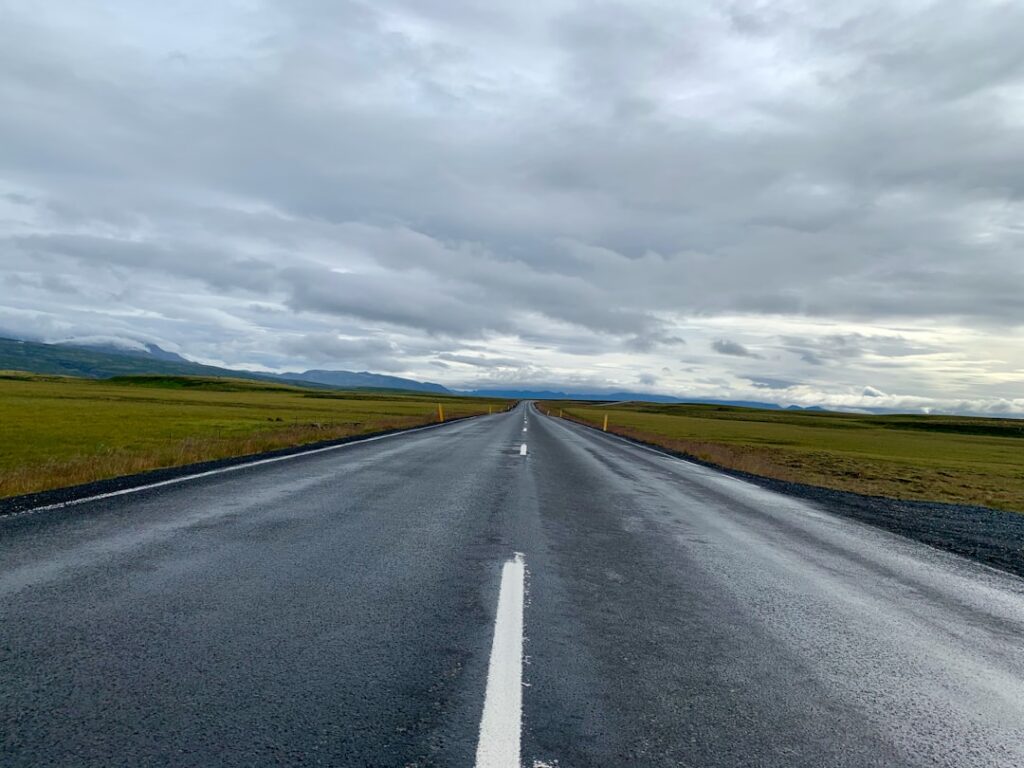
This practical guide, aimed at travelers wanting to go beyond the Golden Circle, covers recommended equipment, safe behavior on F‑roads (mountain routes), concrete examples of places to visit with addresses, opening hours and approximate prices in euros, plus local tips for handling weather, driving and emergency response. I base these recommendations on the experience of hikers, rental companies and Icelandic rescue services.
Inside you’ll find advice on picking the right vehicle, essential accessories (tires, crampons, GPS beacon), fuel management, driving rules, and practical information to organize your stages: gas stations, rural accommodations with exact addresses, key opening hours and indicative prices converted to euros. Whenever I cite prices or addresses, it’s to give you concrete reference points to plan your budget and route.
Organizing a rural road trip in Iceland also means respecting the law and nature: never leave marked roads, avoid off‑road driving, and always check weather and road conditions. This guide emphasizes safe conduct — how to ford a river, when to give up on an F‑road, how to use chains, and how to contact emergency services if things go wrong (Iceland emergency number: 112).
Finally, the guide lists local recommendations: 24/7 gas stations, rural hostels and campsites, and resupply points. This information will help you stay self‑sufficient well away from towns. Prepare your road trip like a respectful, well‑equipped expedition — Iceland will reward you with unique panoramas, black sand beaches, towering glaciers and the chance of northern lights along a side road.
Choosing and equipping your vehicle: which car for which roads?
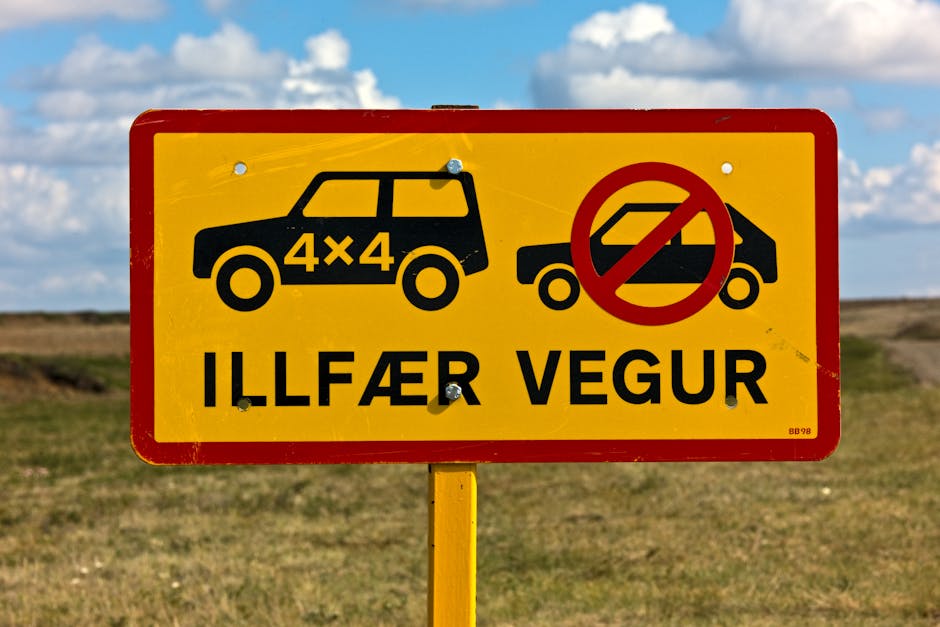
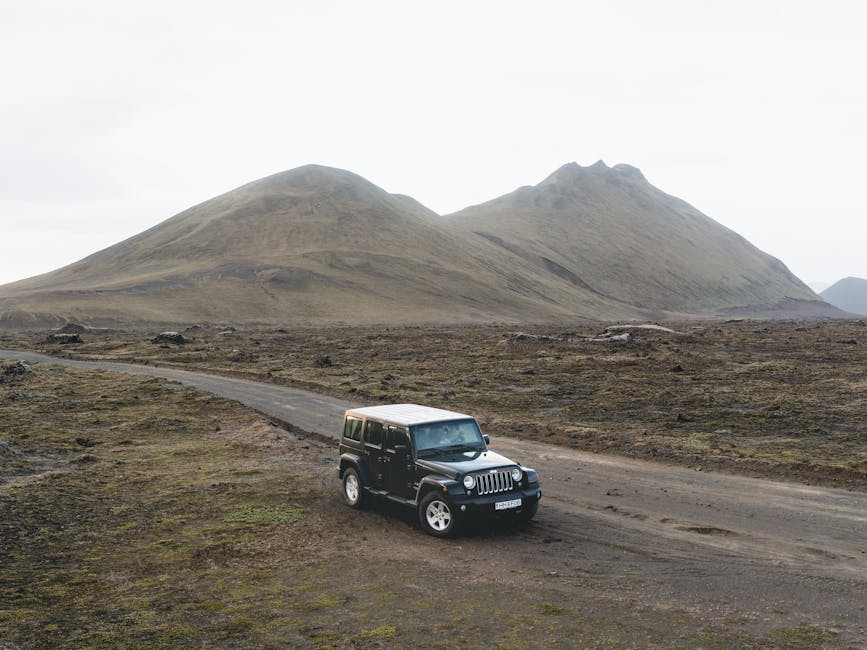
The vehicle you pick is the single most important decision. For a rural Iceland road trip you must match it not only to the trip length and season but most importantly to the types of roads you plan to drive. Main roads (the Ring Road, Route 1) are mostly paved and fine for a regular car, but once you plan to take interior routes marked “F” (F‑roads) — for example F26 Sprengisandur or F208 to Landmannalaugar — a raised 4×4 is essential.
Key factors to consider:
- Vehicle type: For the Ring Road and paved routes, a sedan or standard SUV will do. For F‑roads, opt for a high‑clearance 4×4 (SUV or pickup) with skid plates. Recommended rental companies include Hertz Iceland (address: Ármúli 7, 108 Reykjavík — opening hours: Mon–Fri 08:00–18:00, Sat 09:00–16:00; rates: €70–€180/day depending on season) and Blue Car Rental (Austurstraeti 9, 101 Reykjavík — similar hours; rates: €60–€160/day).
- Insurance: Take full coverage including gravel protection (SCDW), damage from sand/volcanic ash and river crossings (often excluded). Expect an extra €15–€40/day for F‑road coverage.
- Tires and pressure: Check tire condition, favor quality all‑season tires or winter tires (winter mandatory depending on conditions). Bring a portable air compressor and a pressure gauge. In winter, bring chains or studded tires for technical areas (some agencies supply chains for €20–€40 extra).
- Mechanical kit: Basic tool kit, jack, a properly inflated spare, jumper cables. Make sure the vehicle has a winch or towing points if you’ll tackle remote tracks.
- GPS and navigation: A dedicated GPS unit (Garmin or similar) with offline Iceland maps, or a charged smartphone with the Veður (weather) and Road.is (road conditions) apps. A personal locator beacon (PLB) or satellite communicator (InReach — €300–€500 to buy or €10–€30/day to rent) is highly recommended in areas without mobile coverage.
Extra gear to keep in the vehicle:
- Power extension and USB 12V/220V chargers.
- Headlamps and work lights.
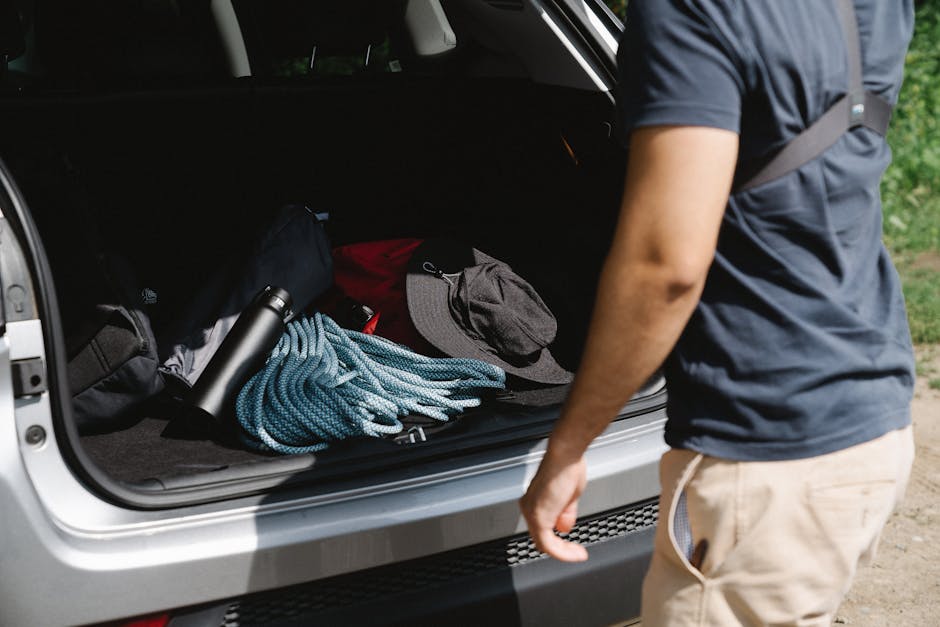
- Emergency blankets, sleeping bag rated to 0°C at minimum, waterproof and windproof outer layers (Gore‑Tex or equivalent), waterproof boots.
- Camp stove and gas canisters (check cartridge compatibility in Iceland), non‑perishable food for 48–72 hours.
- Comprehensive first aid kit (including tools to treat hypothermia, blisters and injuries) and a tire repair kit.
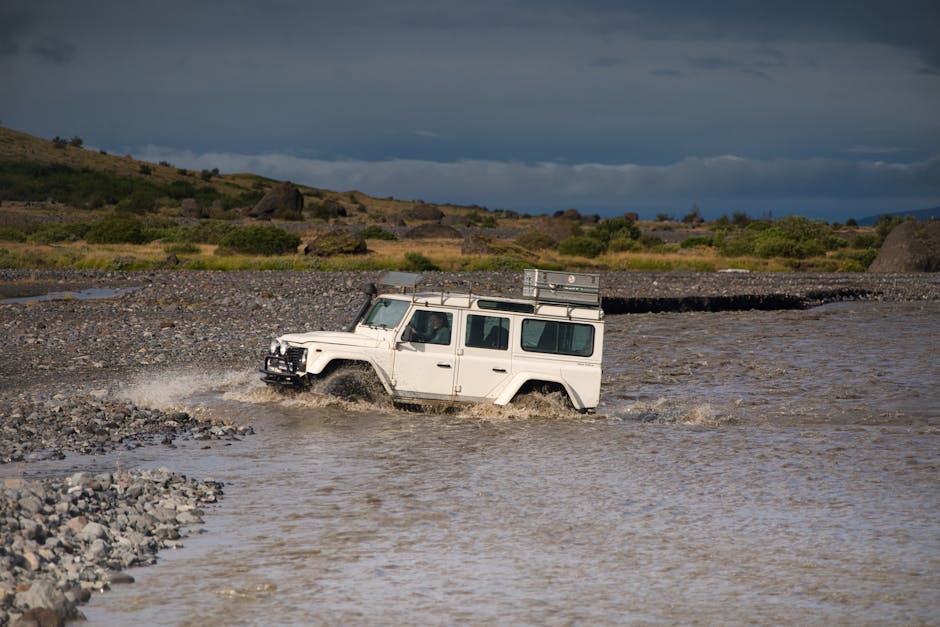
Finally, ask your rental company about their river‑crossing policy: many agencies explicitly forbid fording rivers and won’t cover damage in those cases. If you plan routes with fords, use a specialist company or hire a local guide.
Personal gear and preparations for weather, nights and the unexpected
Iceland is famous for rapid weather changes — the local saying “If you don’t like the weather, wait five minutes” is no joke. A flexible schedule and the right personal preparation are essential to stay safe and enjoy the trip.
Clothing and personal equipment:
- Layering: merino base layers, an insulating mid‑layer (Polartec), and a waterproof, windproof outer shell (Gore‑Tex or equivalent). Bring a warm hat, waterproof gloves and several pairs of wool socks.
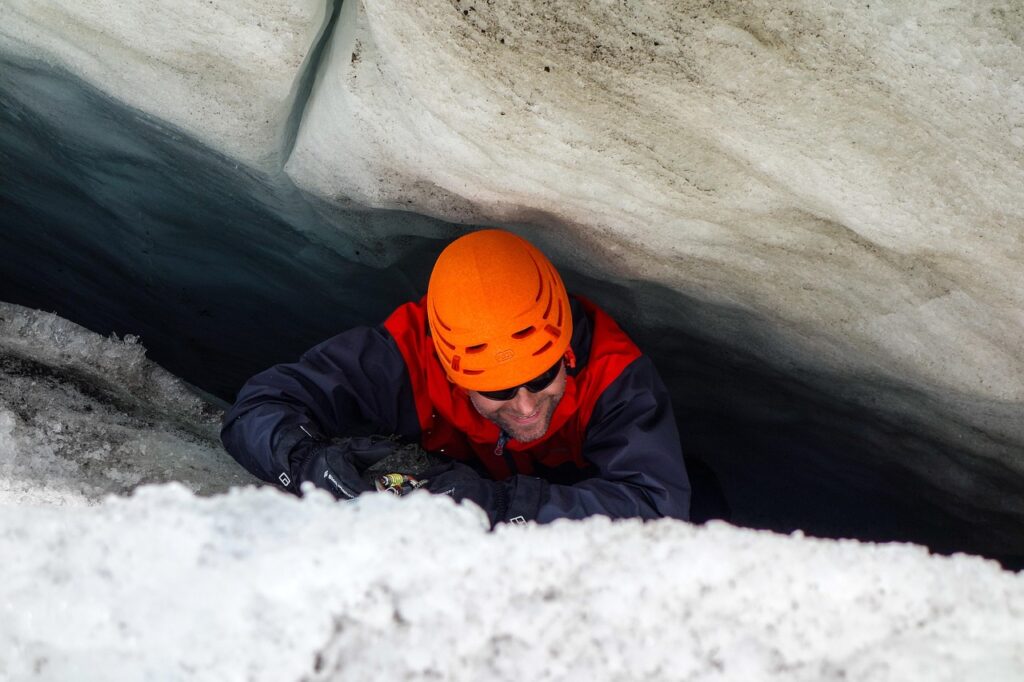
- Footwear: waterproof hiking boots with Vibram soles. For glacier areas, bring microspikes or crampons and an ice axe if you plan on glacier travel.
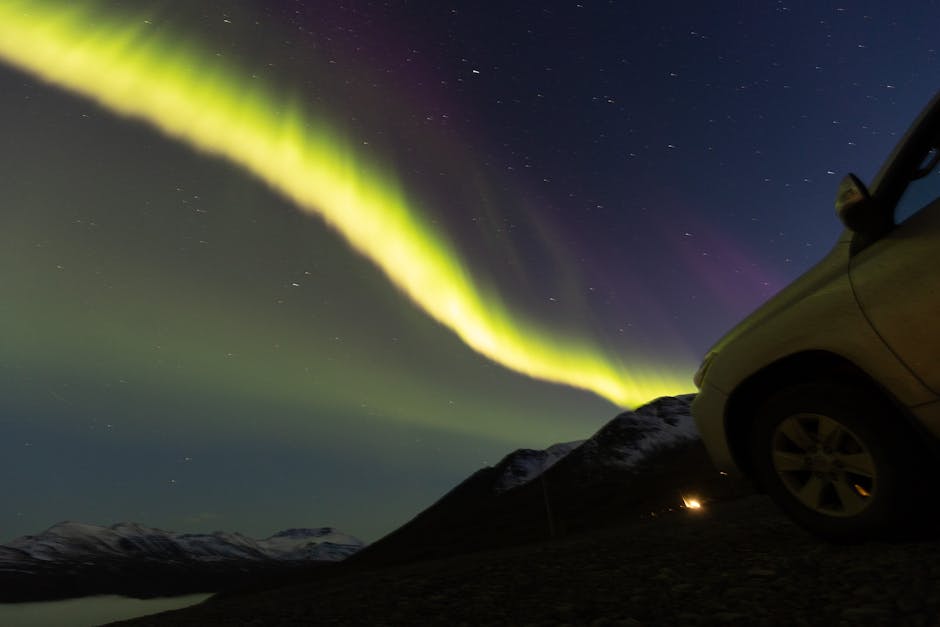
- Visibility and night: high‑visibility vest (required if you exit a vehicle at night on the road), headlamps, and emergency survival blankets. In autumn/winter your window for aurora hunting is weather‑dependent — always have a backup shelter plan.
Practical preparations:
- Fuel: plan refueling carefully — in rural areas gas stations can be 150–300 km apart. Notable 24hr stations: N1 Selfoss (Austurvegur 1, 800 Selfoss — open 24h; approximate fuel price: €1.70–€1.95/L), Orkan Hvolsvöllur (Eyravegur 1, 860 Hvolsvöllur — open 06:00–23:00; €1.70–€1.95/L).
- Food & water: always carry 20–30 liters of water and enough food for 48–72 hours in case you get stuck. Local supermarkets: Bónus Selfoss (Austurvegur 5, 800 Selfoss — Mon–Sat 09:00–21:00; rough cost: food for two for 2 days €30–€60).
- Communication: buy a local SIM (Siminn, Vodafone) if you need mobile data; masts cover most low‑populated areas but not everywhere. Note Wi‑Fi hotspots at guesthouses and cafés.
Health & safety tips:
- Make sure routine vaccinations are up to date. Bring your personal medications (painkillers, anti‑nausea, antihistamines) and copies of prescriptions.
- In case of a serious accident, call emergency services at 112. Reykjavík police station (Lögreglan) is at Hverfisgata 29, 101 Reykjavík (open 24h; non‑urgent phone: +354 444 1000).
- Check road.is for road conditions and vedur.is for local weather before each departure.
Safe driving: rules, conduct and risk management on tracks and fords
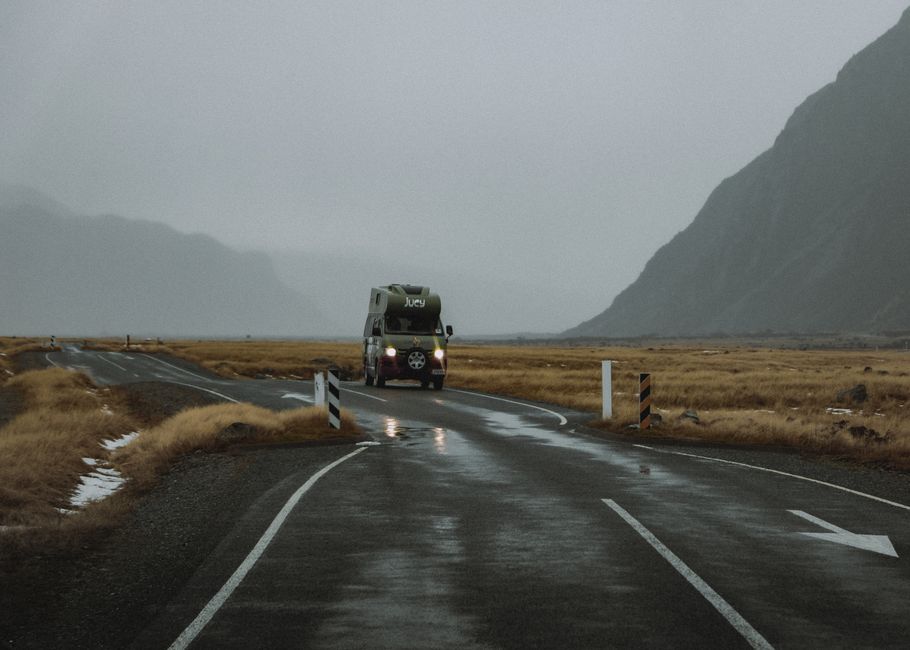
Driving in rural Iceland comes with specific rules and behaviors. Roads can be winding, unmarked, and strong winds can make handling tricky. Obey signs and speed limits, and follow these local tips to make your trip easier:
- Respect the signs: “F” signs mark mountain routes reserved for 4x4s. Don’t attempt them with an unsuitable vehicle. “Private road” or “No trespassing” often means private farmland — fines for trespass can be steep.
- Winds and storms: gusts can tip over a light vehicle. If forecasts show gusts above 30–40 m/s, limit travel. During a storm, find safe shelter and wait for conditions to improve.
- River crossings (fords): before fording, check depth on foot from a safe point (never drive in blind). Currents can be strong; if water reaches the wheel rims, turn back. Many rental companies forbid fording — check your contract.
- Gravel roads and spray: on unpaved roads, leave extra space from the car in front to avoid gravel flying up. Windshield damage is common and often charged unless you have the right insurance.
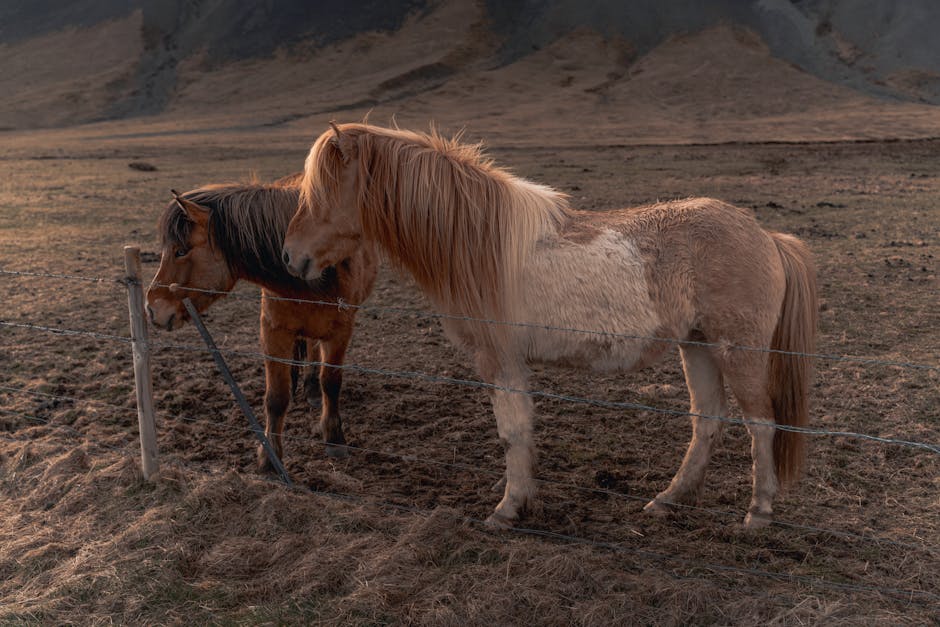
- Animals: sheep and horses often roam near rural roads. Slow down and stay alert at dawn and dusk — herds sometimes cross without warning.
Concrete examples and useful addresses:
- Landmannalaugar (often accessed via F208 or F225) — Landmannalaugar Campground, Landmannalaugar, 851 Rangárþing eystra (camping hours vary by season; fees: camping €8–€15/person, mountain hut beds €35–€60 depending on season). Access by 4×4 or hiking bus from Hella or Selfoss.
- Fjallabak Interior (F26 Sprengisandur) — a wild route between Lake Mývatn and the Landmannalaugar region; plan for 200–300 km without services. Carry extra water and fuel.
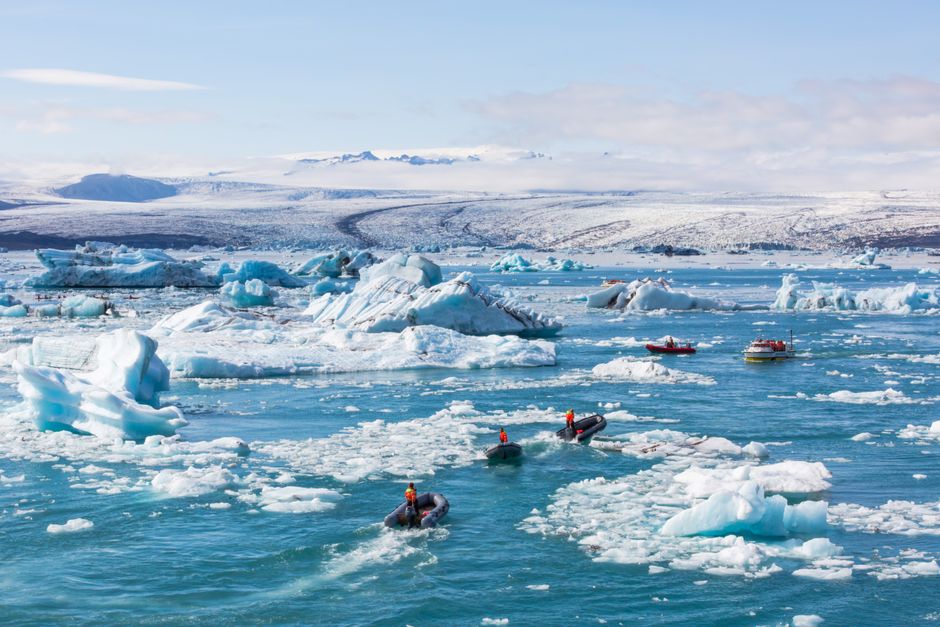
- Jökulsárlón Glacier Lagoon — address: Jökulsárlón, 781 Höfn í Hornafirði (open year‑round; parking free; zodiac tours approx. €45–€70 depending on season; opening hours vary, generally 09:00–18:00 in summer).
Stages, accommodation and local tips for a sustainable rural itinerary
To pull off a successful rural road trip you need to plan stages sensibly: reasonable daily distances, prebooked accommodation and resupply points. Here’s a sample 7–10 day itinerary with addresses, opening hours and rough prices, designed to balance discovery and safety.
Sample itinerary (7–10 days):
- Day 1: Reykjavík — pick up your vehicle at Hertz Iceland, Ármúli 7, 108 Reykjavík (08:00–18:00). Overnight in Reykjavík or camping. Recommended stay: Reykjavík Downtown Hostel, Skólavörðustígur 14, 101 Reykjavík (dorms €30–€50; private rooms €80–€150; 24h reception for late check‑ins).
- Day 2: Golden Circle — Þingvellir (Thingvellir National Park, 806 Selfoss — free entry; paid parking €3–€6), Geysir (Geysir Visitor Centre, Haukadalur, 806 Selfoss — hours 09:00–18:00; shop and café), Gullfoss (Gullfoss waterfall, 806 Selfoss — open year‑round; parking €5).
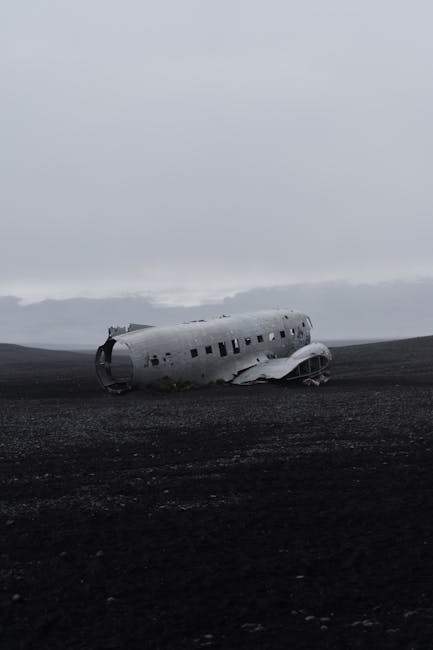
- Days 3–4: South coast — Skógafoss (Skógafoss waterfall, Skógar, 861 Hvolsvöllur — free parking; hiking trails), Sólheimasandur plane wreck (parking: Sólheimasandur parking area, access: 24/7; 4 km one‑way walk). Overnight in Vík: Vík HI Hostel, Vík í Mýrdal, 870 Vík (dorms €25–€60).
- Day 5: Skaftafell and Jökulsárlón — Skaftafell Visitor Centre, Skaftafell, 785 Öræfi (visitor centre open 09:00–17:00; trails free), Jökulsárlón Glacier Lagoon, Jökulsárlón, 781 Höfn í Hornafirði (zodiac trips €45–€70).
- Days 6–7: Rural east and fjords — Höfn (Höfn í Hornafirði, Austurvegur 10, 780 Höfn — harbors and seafood restaurants; restaurant Pakkhús, Austurvegur 10, 780 Höfn — hours 11:00–22:00; lobster dishes from €30–€45).
- Days 8–10: Return via the fjords or head north depending on weather. Plan nights in guesthouses or farmstays (local farms offering rooms, usually €60–€120/night). Example: Hali Country Hotel, Suður‑Skaftafell, 781 Höfn (book ahead; breakfast included).
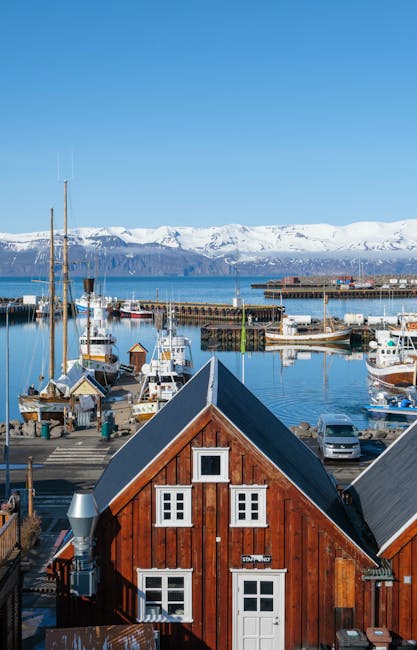
Local tips for lodging and dining:
- Book early in high season (June–August) and around school holidays. Rural guesthouses sometimes close early in low season — confirm arrival times.
- Favor farmstays for an authentic experience and to support local economies. Many are off the beaten track and provide invaluable local advice on road and weather conditions.
- Recommended rural restaurants: Fosshotel Glacier Lagoon Restaurant, Hnappavellir, 785 Öræfi (hours 07:00–22:00; mains €15–€40) and Gamla fjósið Cafe, Brúará, 801 Selfoss (farm café; hours vary).
Responsible behavior and environmental respect
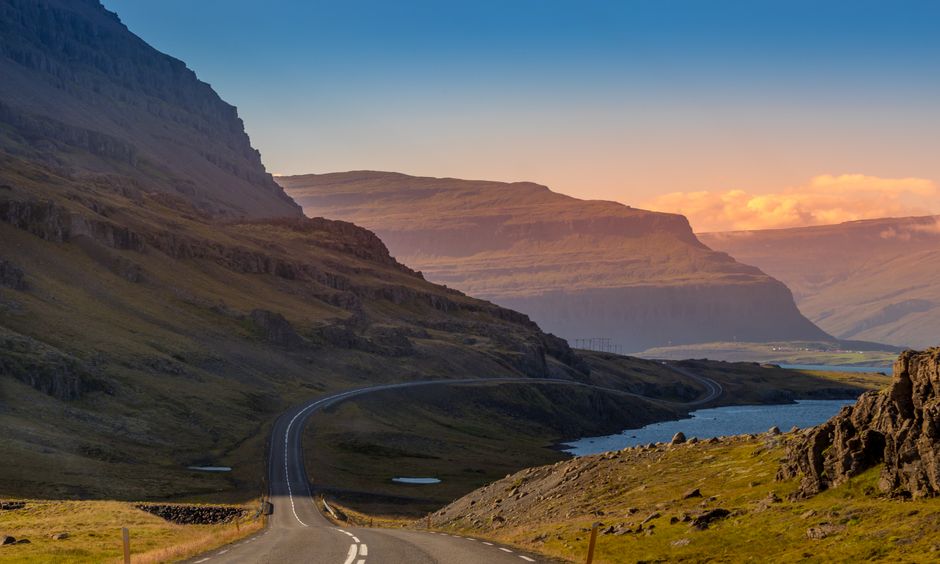
Traveling in Iceland carries a special responsibility toward fragile landscapes — peat bogs, low vegetation, sand dunes and hot springs can be permanently damaged by a single step off trail. Follow these rules to reduce your footprint:
- Never leave marked trails: trampling delicate vegetation causes erosion that can take decades to recover.
- Leave no trace: pack out all your rubbish; don’t use wild hot springs if they’re marked as protected. Recycling and composting aren’t always available — bring sturdy trash bags.
- Respect wildlife: keep distance from birds, seals and herds. Never feed animals — it disrupts natural behavior.
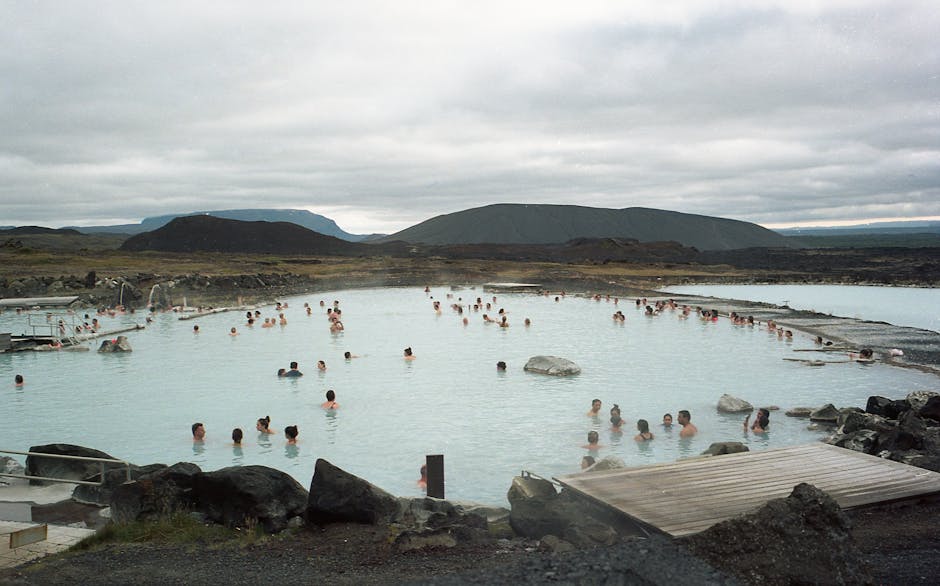
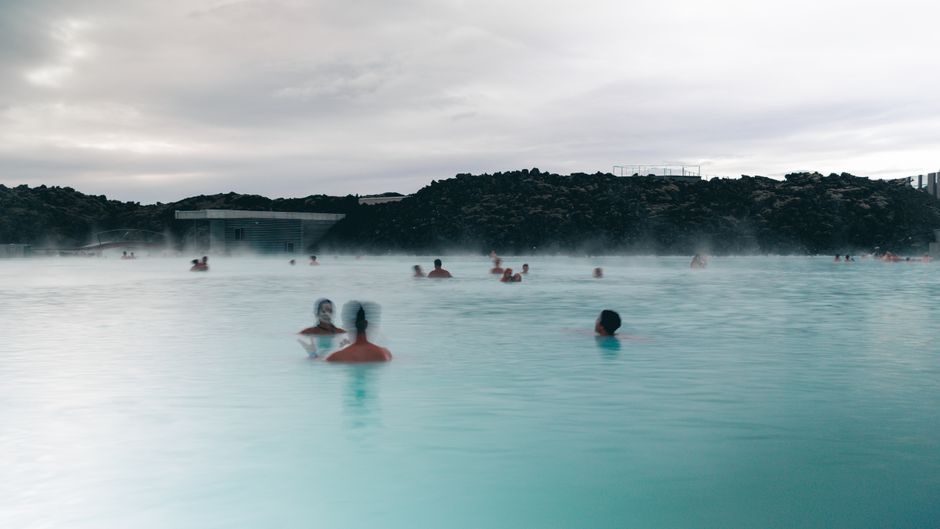
- Hot spring safety: some springs have boiling water and unstable ground. Only bathe in developed areas (e.g. Blue Lagoon, Norðurljósavegur 9, 240 Grindavík — entry from €59 depending on time and package; hours 07:00–22:00 in high season).
Respect local communities:
- Ask permission before photographing private properties or farmers.
- Buy local: farm products, restaurants and crafts — this sustainably supports small communities.
- Learn local drone rules (often restricted in national parks and near nesting birds) and respect residents’ privacy.
Conclusion — Prepared, cautious and respectful: the key to a successful Iceland road trip
A rural Iceland road trip is a one‑of‑a‑kind adventure that requires preparation, the right gear and responsible behavior. By choosing the proper vehicle (4×4 for F‑roads), taking suitable insurance, equipping your car with tools and safety devices (GPS, satellite beacon, first aid kit), and planning your stages and resupplies carefully, you’ll greatly reduce the risks tied to isolation and rapidly changing weather.
Always follow local rules: stay on marked trails, avoid crossing rivers if you’re unsure, and check weather forecasts on vedur.is and road conditions on road.is before setting off. Use local services — rental providers, guides and hosts — for up‑to‑date information: for example, Hertz Iceland (Ármúli 7, 108 Reykjavík), N1 stations (Selfoss and Hvolsvöllur) and park visitor centres such as Skaftafell Visitor Centre (Skaftafell, 785 Öræfi) are useful support points.
Responsible travel not only preserves the country you’re passing through but also enhances your safety and the authenticity of your experience. Support local businesses (restaurants, guesthouses and farms) and listen to locals — they know the roads and seasons best. Always keep emergency number 112 handy and tell someone your intended route, especially if you take isolated tracks.
If you travel in winter, step up your preparations: winter tires, chains, warmer clothing and a fallback plan. In summer, enjoy the long days but stay alert at fords and on rough tracks. Iceland rewards preparedness and respect with spectacular scenery: blue glaciers, black sand beaches, tranquil fjords and night skies lit by the aurora. Following these gear and safety recommendations will give you the best chance of a safe, memorable and respectful rural Iceland road trip.