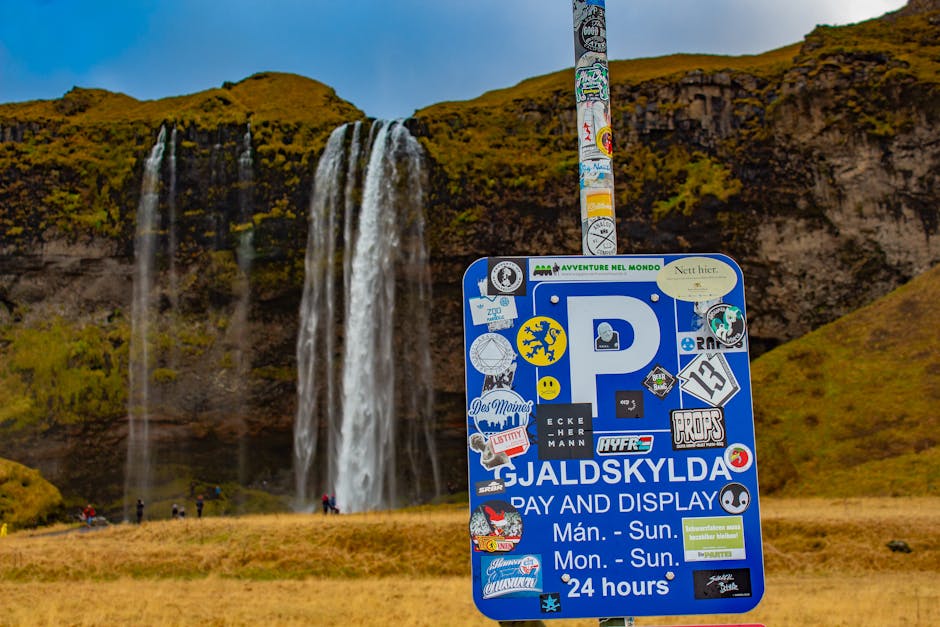






Introduction: understanding paid parking in Iceland
Iceland is a land of dramatic contrasts: black lava fields, massive glaciers, thunderous waterfalls and compact towns where public space is at a premium. If you’re traveling by car — whether a rented 4×4 or a small hatchback — parking is an issue you’ll need to deal with sooner or later. Unlike some European countries with uniform parking systems, Iceland has a mix of municipal paid parking, private lots run by attractions, pay parking zones around natural sites, and free but limited-capacity car parks. This guide gives you a complete overview of the rules, zones and approximate prices in euros so you can plan before you hit the road.
In urban centers like Reykjavík, Akureyri and Ísafjörður you’ll find marked parking zones (blue zones, paid metered areas) as well as covered car parks managed by private operators. Major tourist sites — the Blue Lagoon (Bláa Lónið / Svartsengi), Þingvellir (Thingvellir), Skaftafell (Vatnajökull National Park), Jökulsárlón and waterfall car parks such as Seljalandsfoss and Skógafoss — usually have dedicated parking: sometimes free, sometimes paid, and occasionally included in the entry price. Outside the capital, expect many car parks to be open 24/7, but capacity can be very limited in high season.
This guide covers general rules (signage, fines, best practices), describes parking around the main points of interest (exact addresses, typical opening hours, approximate prices in euros), and shares local tips to avoid fines and make the most of your day trips. You’ll also find practical advice on how to pay (mobile apps, cash, cards), Reykjavík peak hours, night and snow-season rules, and tips to protect fragile natural areas (don’t park off-designated areas, respect delicate vegetation).
Important note: rates and opening hours can change with the season and local management. The euro prices below are approximate conversions and rounded to make planning easier — always check on-site signs, official websites or with your rental company for up-to-date info. This guide aims to give you a reliable framework so you avoid surprises and enjoy Iceland’s wonders calmly.
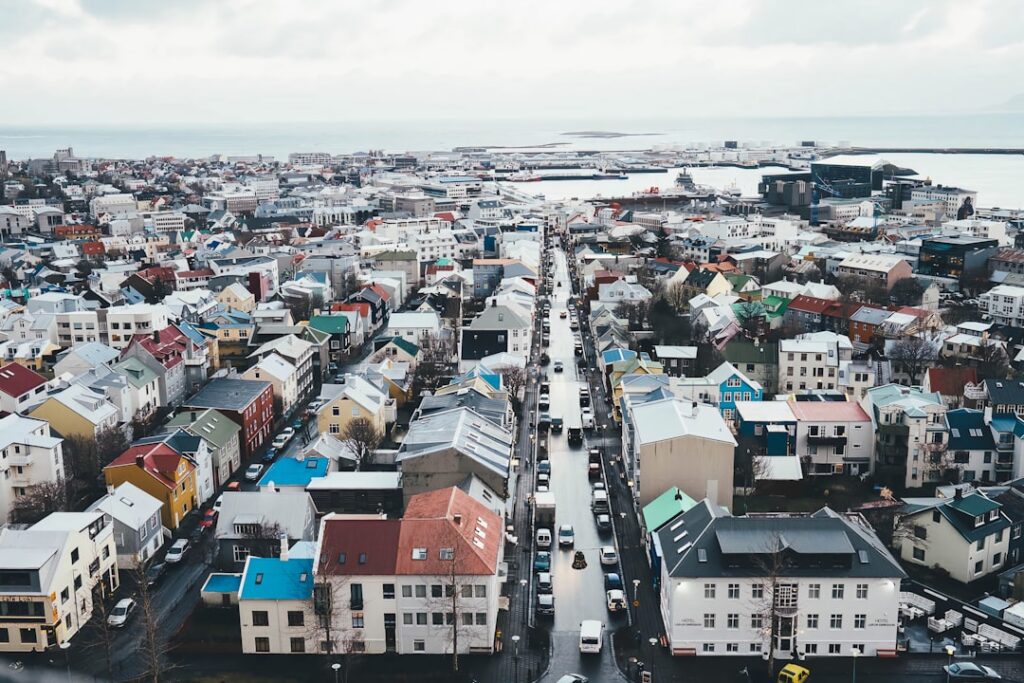
1) Urban parking: Reykjavík and major towns — zones, prices and practical tips
Reykjavík, the capital, concentrates most of the island’s services and paid parking. Municipal lots are managed by Reykjavík Parkering and are divided into zones (zone 1 = very busy city center, zone 2 = edge of the center). Main streets like Laugavegur, Skólavörðustígur (near Hallgrímskirkja) and Austurbakki (Harpa) are subject to strict rules. Here are some specific spots to know:
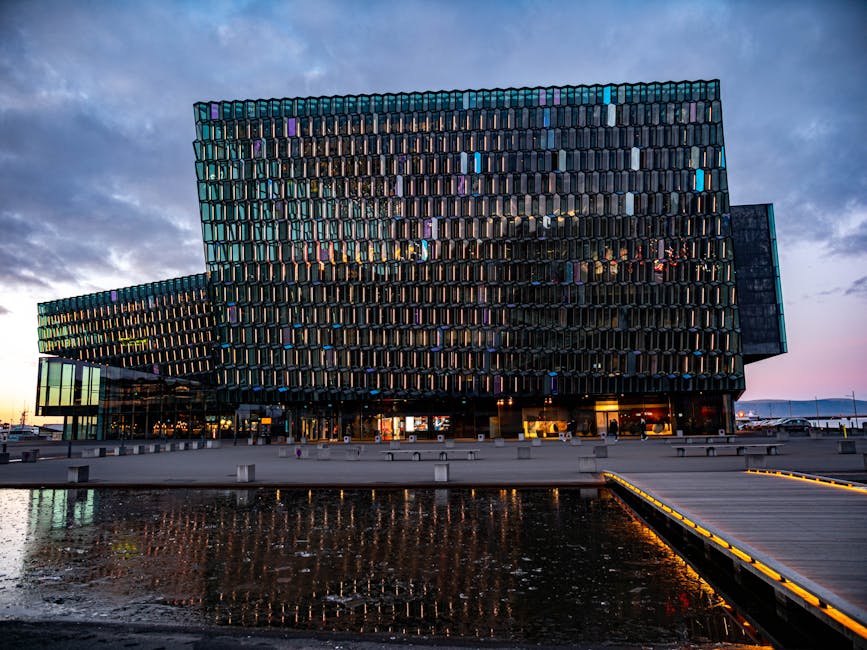
- Harpa Concert Hall — Austurbakki 2, 101 Reykjavík. Outdoor and underground parking managed on-site; daytime rate around ≈ €2.50 per hour (varies with events). Open generally 24/7, but higher rates apply during concerts and festivals.
- Hallgrímskirkja — Hallgrímstorg, 101 Reykjavík. Parking around the church: metered spaces and nearby public car parks; typical rate ≈ €1.50–€2.00 per hour. Some streets have time limits (2 hours during the day).
- BSÍ Bus Terminal / Parking — Rundöll 1–2, 105 Reykjavík. Large parking area for coaches and cars; approximate rate ≈ €1.80 per hour, daily passes possible (≈ €8–€12 depending on season). Open 24/7, convenient for transfers to the airport.
- Perlan (Observation Deck) — Öskjuhlíð, 105 Reykjavík (Perlan Museum & Food Hall). Visitor parking is often free for short stays but the museum has an entry fee; during special events parking may be charged ≈ €3.00 per hour.
Payment methods: most meters accept cards and mobile payments via the “Aur” app (Reykjavík parking) or “Parka.” Fines for non-payment are usually steep — roughly €30–€70 depending on the violation (vehicles may be towed in reserved zones). Hours: paid zones typically operate Monday–Saturday from 08:00 to 18:00, though some central areas stay paid until 22:00 and during late-night events. Private and underground car parks post their own 24/7 hours.
Local tips: use peripheral long-stay car parks and walk or take the bus into the center; watch for blue permit signage and never leave valuables in plain sight — thefts are rare but can happen. In winter, some spots are reserved for snow clearance: follow seasonal signs closely.
2) Parking at Golden Circle sites and the Blue Lagoon: rules, addresses and prices
Natural attractions near Reykjavík attract steady visitor flows, and their car parks are often built to handle large numbers of vehicles. Local rules stress staying within marked areas: parking on grass or fragile basalt is prohibited. Here are the main parking sites for the Golden Circle and the famous Blue Lagoon:
- Þingvellir National Park (Thingvellir) — Thingvellir, 806 Selfoss / Þingvellir National Park Visitor Centre. Visitor Centre address: Þingvellir, 801 Selfoss (coordinates vary by access point). Main car parks are close to the visitor centre and the geological park: parking may be charged in high season, around ≈ €2.50–€4.00 per vehicle for 2–4 hours. Centre hours: usually 09:00–18:00 (summer); the park remains accessible 24/7 but some lots may close at night.
- Geysir / Strokkur — Haukadalur valley, 806 Selfoss. Large central car park for Geysir visitors; daily rate roughly ≈ €3–€6. Open 24/7; shops and restaurants operate during daytime hours.
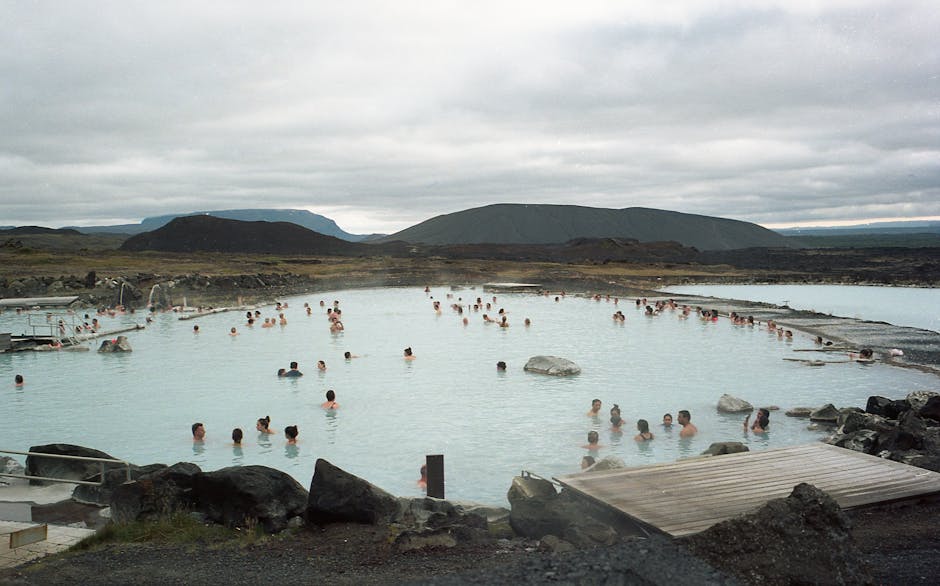
- Blue Lagoon (Bláa Lónið) — Norðurljósavegur 9, 240 Grindavík. Geothermal spa with private parking; the lot is accessible 24/7. For ticketed visitors, parking is often included in the entry price; for non-booked visitors parking may be charged around ≈ €4–€6 per hour or a daily fee ≈ €10–€18. Open year-round with entry slots from morning to evening depending on reservations; some offers provide 24-hour access.
These car parks are managed either by local authorities or private operators. High-season rates (June–August) tend to rise and can be paid at machines, via mobile apps or at the reception desk. Fines for parking outside authorized areas in national parks are generally set to deter damage (about €50–€120), largely because fragile vegetation can be severely harmed.
Practical tips: arrive early to beat the crowds and benefit from lower hourly rates; check whether your site ticket includes parking (common at the Blue Lagoon); and crucially, stick to marked paths — parking on road shoulders not only risks a fine but also damages volcanic soils that regenerate very slowly.
3) South Coast and glacier-area parking: Skaftafell, Jökulsárlón, Skógafoss, Seljalandsfoss
Iceland’s south coast is packed with natural wonders and parking is tightly managed in high season. Lots tend to be large but fill up fast; operators may charge to cover maintenance, toilets and information points. Here’s detailed info on the busiest car parks:
- Skaftafell Visitor Centre (Vatnajökull National Park) — Skaftafell, 785 Öræfi. Large official parking in front of the visitor centre: often free outside peak season, high-season rate about ≈ €3–€6 for a half-day. Centre hours: 09:00–18:00 (varies by season). Shuttle buses to glacier hikes depart from this lot.
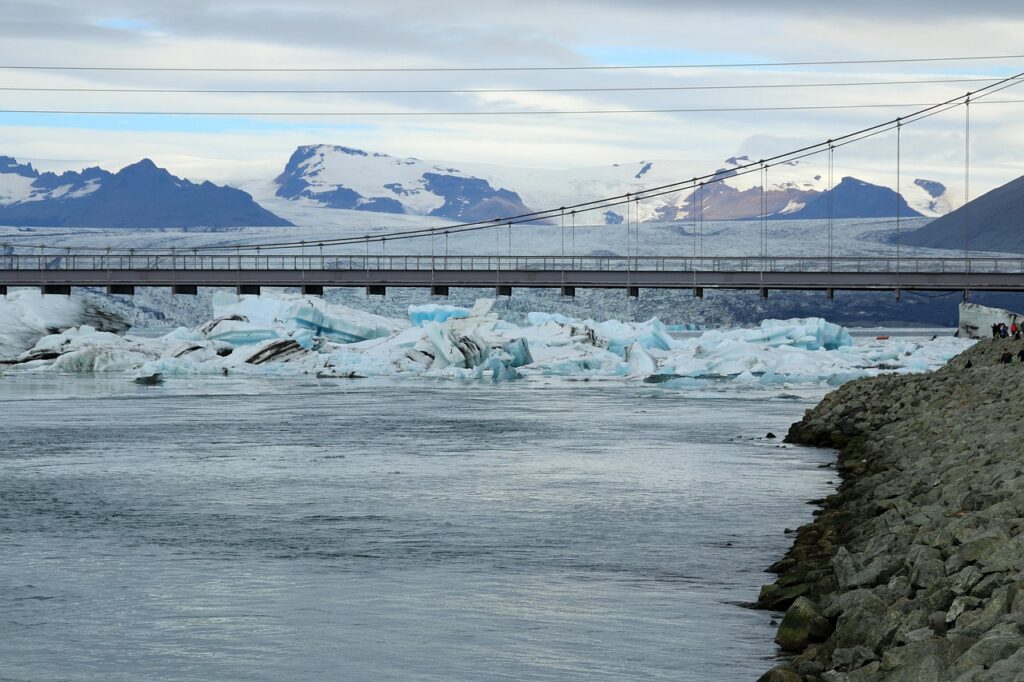
- Jökulsárlón Glacier Lagoon — Jökulsárlón, 781 Höfn í Hornafirði. Main parking near the lagoon and the Diamond Beach: usually paid in summer, daily rate roughly ≈ €3–€8. Open 24/7; lots provide access to the lagoon and boat tours (activities are paid separately).
- Skógafoss — Skógar, 861 Hvolsvöllur. Main roadside parking (Route 1): often charged in high season ≈ €2–€4 per hour or a daily pass ≈ €5–€10. The site is accessible early morning and late evening; toilets and a small kiosk may be available seasonally.
- Seljalandsfoss — Seljalandsfoss, 861 Hvolsvöllur. Dedicated parking at the base of the waterfall: usual fee ≈ €2–€4 per person or per vehicle to access the trail (sometimes priced per person since the fee grants access to paid trails nearby). Open 24/7; floodlighting is sometimes used in late-summer evenings.
Precautions: stick to marked parking areas — many visitors try to squeeze in off-designated spots, which damages vegetation and may prompt ranger intervention. In winter, some car parks can close for safety reasons (ice, avalanche risk); watch for notices and national park announcements. Bring spare change or an international bank card: some machines only accept contactless payments.
4) Best practices, seasonal rules and how to avoid fines
Knowing parking best practices in Iceland will save you fines and help protect fragile ecosystems. Below are practical rules, tips and seasonal information you should keep in mind:
- Follow signage: parking signs show hours, rates and exceptions (resident zones, buses, commercial vehicles). In towns, blue zones often impose a maximum stay.
- Payment: favor mobile apps (Aur, Parka) or contactless card payments; cash is increasingly less accepted. Keep proof of payment visible if requested.
- Winter rules: between November and April, some urban car parks change hours to allow snow clearing. Respect no-parking periods to avoid your vehicle being moved or towed.
- Avoid unmade road shoulders: parking on the verge can damage ground and usually carries fines from €60 to €150 depending on local authority.
- Mind capacity: popular sites can be full early in the morning; allow extra time and try to arrive before 09:00 or after 17:00.
- Insurance & breakdown cover: check that your rental insurance covers towing and parking-related damage; keep emergency numbers for your rental company and local services.
Final local tips: if you’re doing a road trip, plan stages with alternative parking options (picnic areas, small church lots) and avoid unnecessary detours into villages with limited space. Icelanders appreciate visitors who keep places tidy and close doors gently to avoid startling wildlife (coastal birds, reindeer in the north). Also consult official tourism pages (Visit Iceland) and national park websites for real-time updates on closures and fees.
Useful resources and links (real-time checks)
For up-to-date information, check:
- Reykjavík Parkering (municipal site and app) for urban zones and seasonal changes.
- Official Blue Lagoon site for parking conditions tied to reservations: Norðurljósavegur 9, 240 Grindavík.
- Icelandic national parks (Vatnajökull National Park, Þingvellir) for closures and winter restrictions.
- Your car rental agency — they often provide maps with recommended parking spots and emergency numbers.
Conclusion
Parking in Iceland takes a bit of planning but is generally straightforward if you know the basics: signage, payment and respect for natural areas. Reykjavík offers a dense network of paid parking and handy apps; tourist sites outside the capital switch between free and paid parking depending on season and local management. The euro rates in this guide — Harpa ≈ €2.50/h, Hallgrímskirkja ≈ €1.50–€2.00/h, BSÍ ≈ €1.80/h, Blue Lagoon ≈ €4–€6/h or daily passes ≈ €10–€18, Þingvellir ≈ €2.50–€4 for a few hours, Skaftafell/Jökulsárlón ≈ €3–€8 depending on season — are useful planning approximations but should be checked before you travel.
Respecting parking zones and signage is essential not only to avoid fines but to protect landscapes that can take decades to recover from damage. In high season, favor early arrivals, use Reykjavik’s peripheral car parks and book your spots when possible (Blue Lagoon and some guided attractions). In winter, anticipate schedule changes for snow clearance and be aware that some car parks may close for safety.
Finally, adopt simple habits: pay via app when possible, keep proof of payment, obey temporary signs, and ask your rental company if you’re in doubt. Follow these tips and your trip to Iceland will stay focused on wonder — not on fines or hunting for a parking space. Safe travels and enjoy exploring Iceland’s roads while respecting the landscapes and local communities.