





Introduction — Understanding Iceland’s parking system: context, uses and what to expect
Iceland, an island of volcanoes, waterfalls and scenic drives, draws visitors every year eager to see its dramatic landscapes. Renting a car is often the best way to reach off-the-beaten-path spots, but it also means getting up to speed quickly on parking rules that change a lot depending on whether you’re in the city (especially Reykjavík), near an airport, or in protected natural areas. This practical guide, written for travelers, breaks down how public and private parking works in Iceland, lists exact addresses, usual opening hours, estimated prices shown in euros, and local tips to help you avoid fines and headaches.
Iceland’s road network mixes paid parking, free parking and regulated zones. In Reykjavík, surface parking is organized into tariff zones paid at meters or via mobile apps; there are also several private covered car parks. Around Keflavík International Airport (Flugstöð Leifs Eiríkssonar), options include short-term lots close to the terminal and long-stay lots that are usually the most economical choice for travelers. Along the south coast and in the Highlands, national parks and tourist sites (Þingvellir, Skaftafell, Seljalandsfoss, Jökulsárlón…) have managed parking areas — some free, some paid, and many closed overnight in high season to protect the environment.
This guide doesn’t only give exact locations (building, street, postal code and municipality) and price ranges in euros (estimated from Icelandic krona), and standard opening hours — it also paints a picture of the parking areas (size, surface, signage, lighting), local rules (no parking on shoulders or outside marked bays) and practical hacks (recommended apps, petrol stations that allow parking, short-term alternatives). We also include ways to cut costs (free parking early in the morning, long-stay airport deals, avoiding the light-blue central zones) and safety advice for parking in sometimes harsh weather.
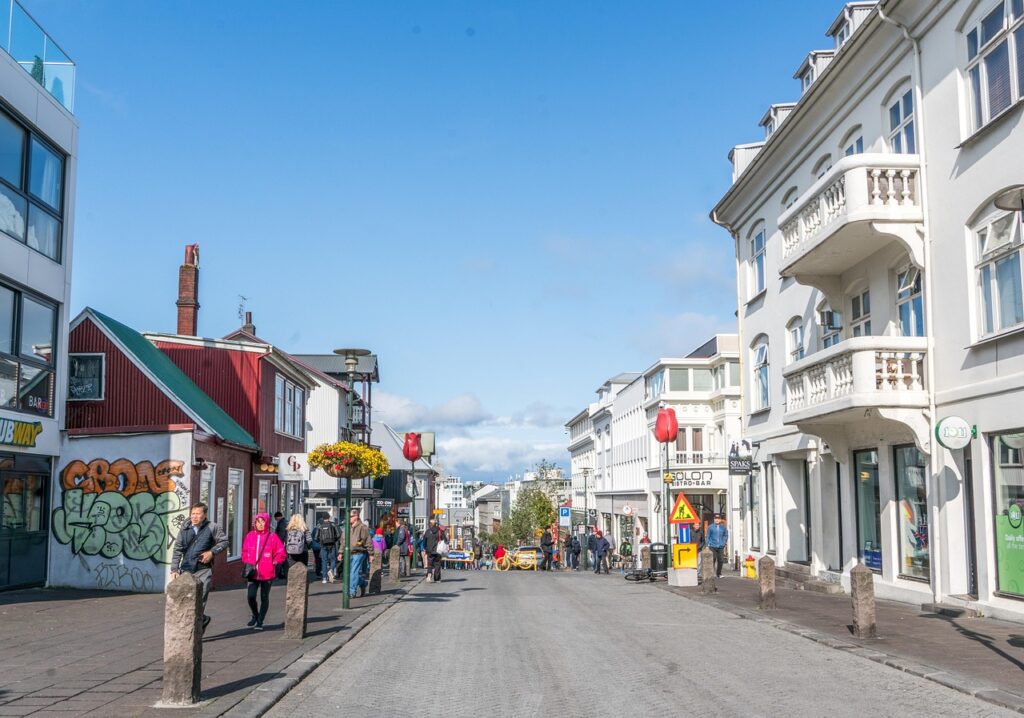
Reykjavík: downtown parking, rules and private car parks (more than 250 words)
Reykjavík, the capital, runs a well-structured urban parking system. Paid zones cover areas like Miðborg (downtown), Hlíðar, Vesturbær and Laugardalur. Main streets such as Laugavegur, Austurstræti and Bankastræti have meters or pay stations. Hourly rates in the city center typically range from €1.50 to €3.50 per hour depending on the zone and time of day (indicative rates: 250–600 ISK/hour ≈ €1.50–€3.50). Free parking can be found on the outskirts and in some residential neighborhoods outside business hours.
Notable addresses and car parks:
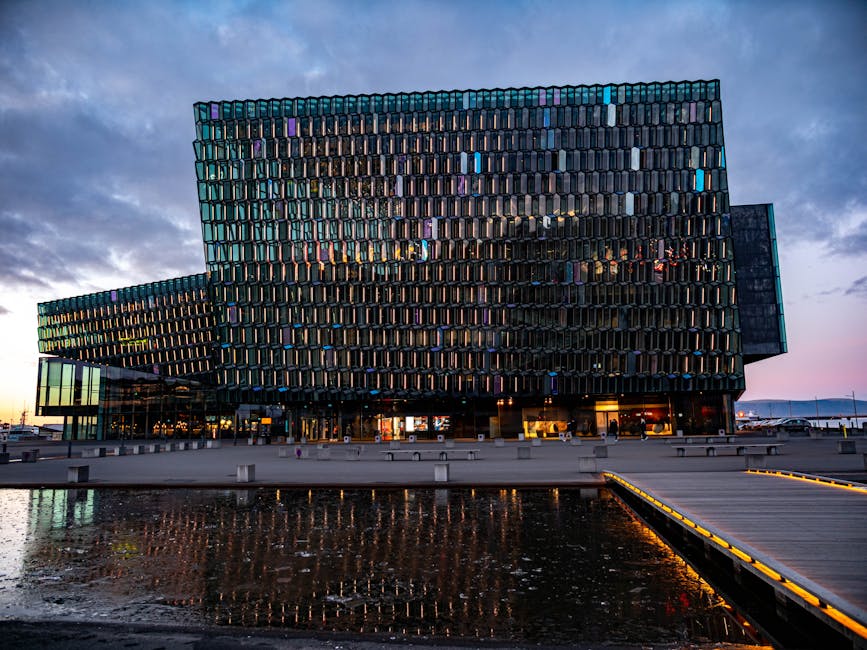
- Harpa Concert Hall — Austurbakki 2, 101 Reykjavík. Surface parking near the building; approximate rate: €2.50 / hour (400 ISK/hour ≈ €2.50). Hours: usually paid Monday–Saturday 08:00–18:00, Sunday may be free depending on signs.
- Hlemmur Square Parking — Hlemmur, 105 Reykjavík (near the bus terminal). Mixed zone with paid and free spaces; indicative rate €1.50–€2.50 / hour. Great for accessing intercity buses or the Hlemmur Mathöll food hall.
- Austurstraeti Covered Parking — Austurstræti 20, 101 Reykjavík (private multi-storey car park). Rates: €12–€18 / day depending on length of stay (about 2000–3000 ISK/day ≈ €12–€18). Hours: 24/7 for registered vehicles, with automated payment machines.
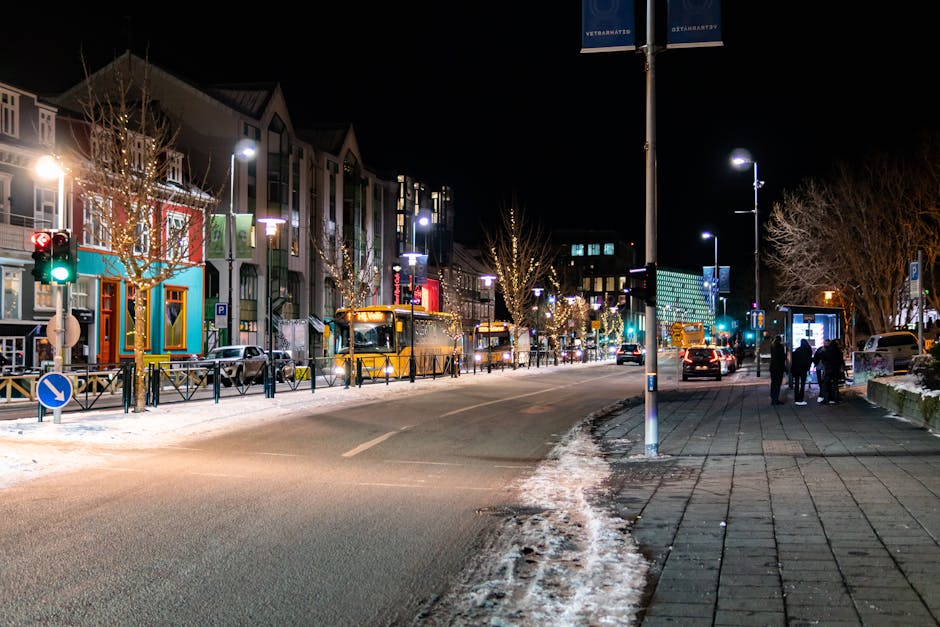
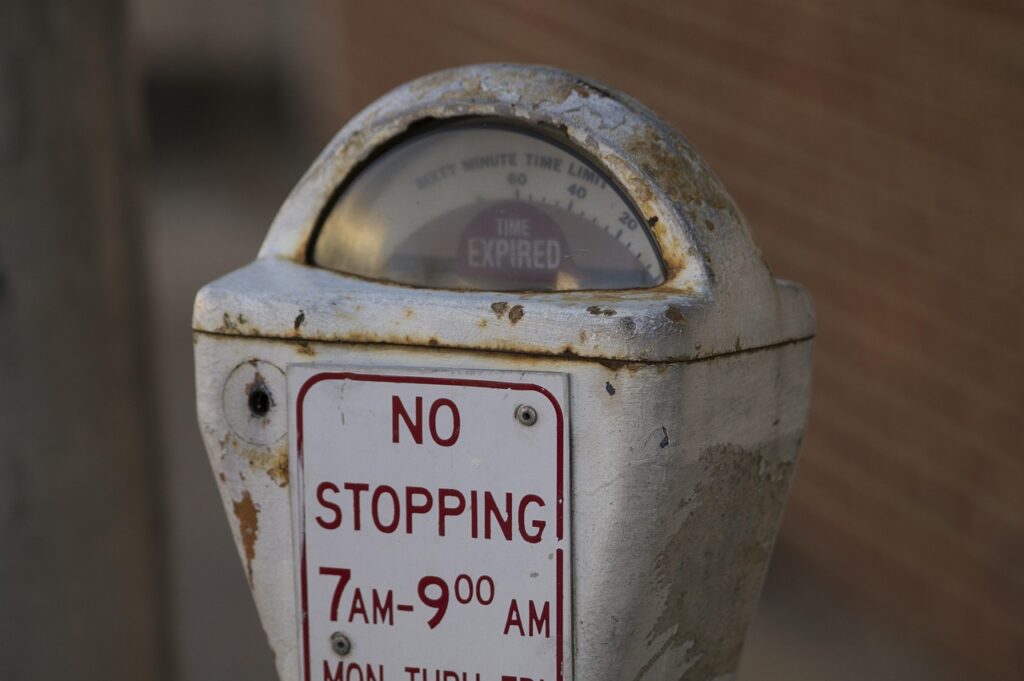
Payment methods: meters accept cards and coins, and there’s the official mobile app “Reykjavík Parkering” (or third-party apps often recommended: Parka/ParkOn — check compatibility). Important: keep a photo of your ticket or app confirmation to avoid disputes. Red and orange zones are usually pricier and enforced strictly; fines can reach 6,000 ISK (≈ €35–€40).
Local tips: if you’re staying several days, opt for a private covered car park to avoid ice and frost in winter. In summer, arrive early (before 09:30) to snag a free spot near Laugavegur. Don’t park on sidewalks or half-on curbs — the city enforces those rules, especially around busy restaurants and bars.
Airports and long-term parking: Keflavík, Reykjavík Flybus and budget options
The main international gateway is Keflavík Airport (Flugstöð Leifs Eiríkssonar). The airport address is: Flugstöð Leifs Eiríkssonar, 235 Reykjanesbær. Around the terminal you’ll find several parking options:
- Parking P1 (Short-term) — right in front of the terminal, ideal for drop-offs/waiting; indicative rate: €6–€10 / hour (900–1600 ISK/hour ≈ €6–€10), first half-hour often free.
- Parking P2/P3 (Long-term) — monitored lots 2–5 minutes’ walk from the terminal. Long-stay rates: roughly €20–€45 / day for the very close options (3000–7000 ISK/day ≈ €20–€45), while non-monitored lots with shuttle service can offer €6–€12 / day (400–800 ISK/day ≈ €6–€12) if you book in advance.
- Park and Ride / Flybus — many shuttle services (Flybus) run from Reykjavík to the airport parking, letting you avoid long-stay parking fees. Flybus Reykjavik–Keflavík fares: about €16–€22 per person one way; additional parking fees vary.
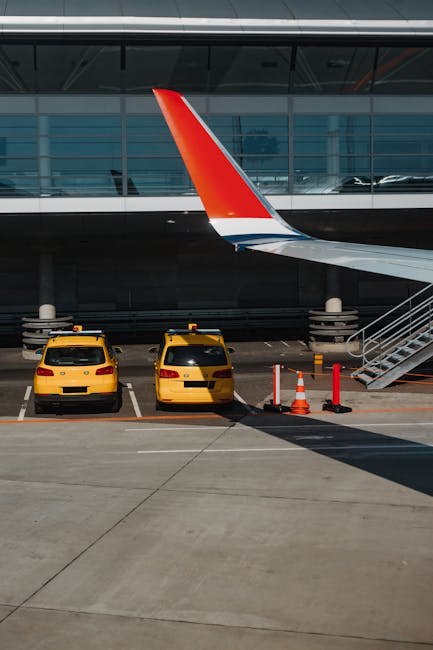
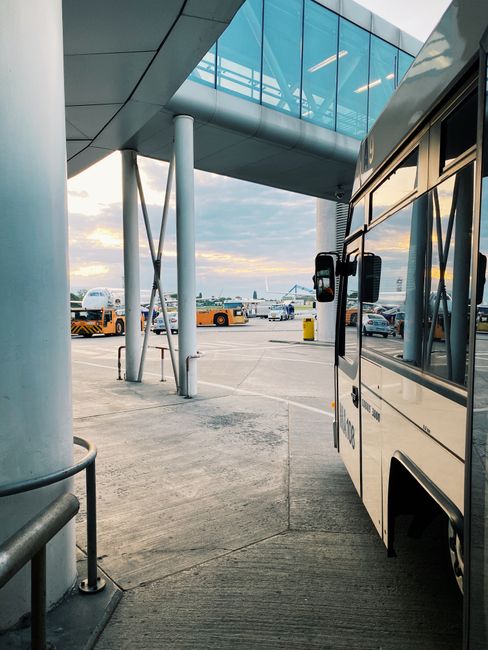
Hours: the airport and most car parks are open 24/7. Discounted long-stay lots usually require online booking, which is highly recommended during high season. Money-saver tip: compare private parking providers around Keflavík (book via ParkVia, HolidayExtras or the airport’s parking tab); some private operators include a free shuttle and secure spots from around €5–€8 / day if you reserve in advance.
Parking in the wild and national parks: Þingvellir, Skaftafell, Jökulsárlón and protection rules
When you visit natural sites, parking is often managed to protect fragile environments. Þingvellir National Park (Þingvellir / Thingvellir) has organized parking areas near the visitor center. General address: Þingvellir National Park Visitor Centre — (visitor area near Öxarárfoss); local signage points to parking bays. Fees: some car parks are free, others ask for a small contribution (€1–€3) via pay stations or donation boxes to help with maintenance. Hours: parking lots are accessible 24/7, but visitor facilities and toilets have varying hours (9:00–18:00 in low season, extended in summer).
Skaftafell Visitor Centre — Svinafell, 785 Öræfi (in Vatnajökull National Park). The main car park is large, stabilized and suitable for cars and campervans. In high season the lot may charge a fee: about €5–€12 / day (800–2000 ISK/day ≈ €5–€12). Hours: lots open 24/7; visitor center hours vary (08:00–17:00 or 09:00–19:00 depending on season).
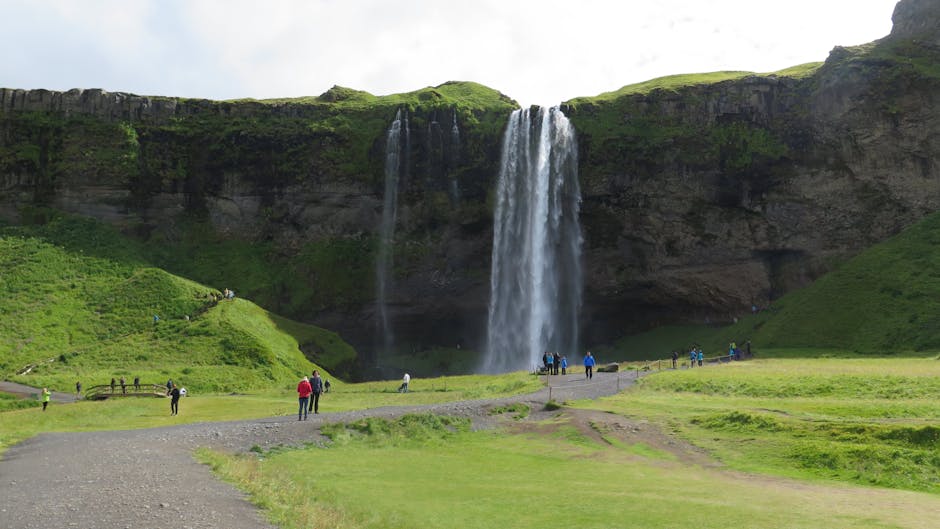
Jökulsárlón (Glacial Lagoon) — parking at Hnappavellir, close to Route 1. The lot is fairly large and may be free, though extra services (toilets, shuttles) sometimes ask for a contribution. Note that some waterfall car parks (Seljalandsfoss, Skógafoss) have official parking areas with information signs and sometimes attendants in high season. Typical fees for these sites: €1–€5 per car for the day.
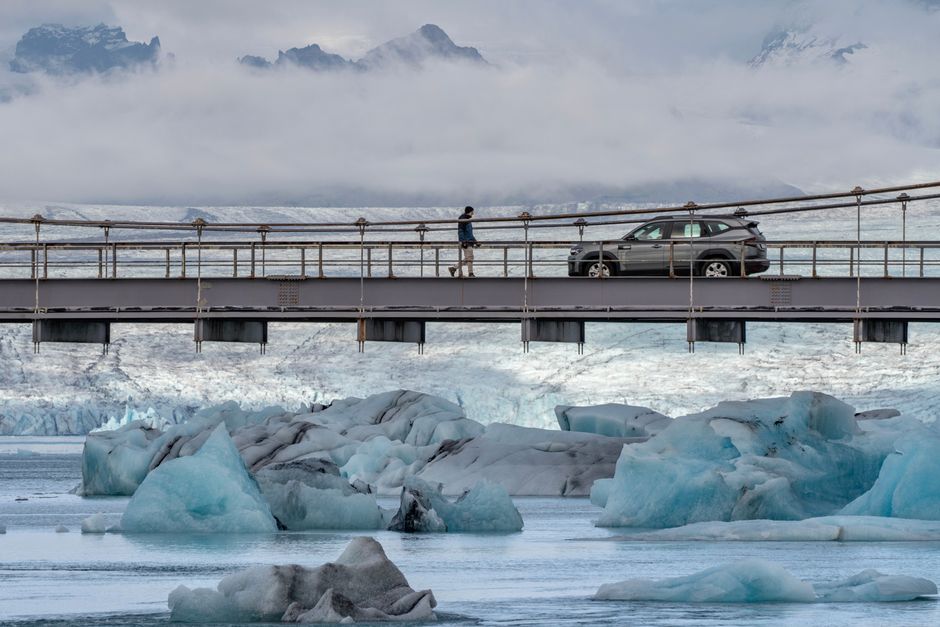
Important advice: don’t park on the edges of secondary roads — Iceland protects its soil and vegetation (moss), and parking off-designated areas can lead to heavy fines (often 10,000 ISK and up ≈ €60–€70) and a serious environmental impact.
Regional towns: Akureyri, Ísafjörður and parking in provincial urban areas
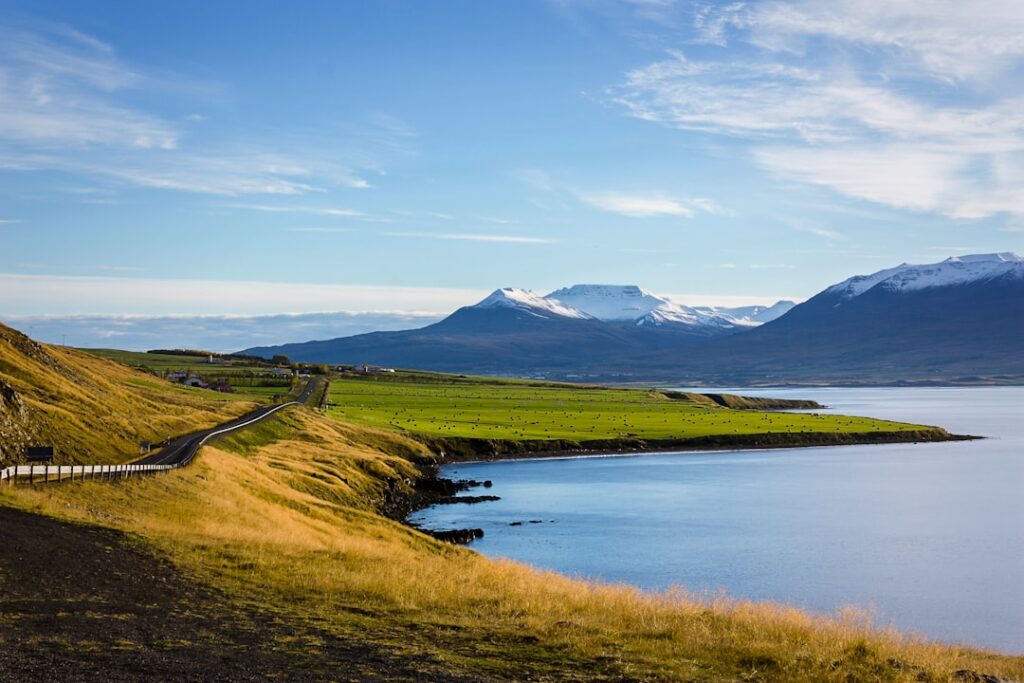
Smaller towns like Akureyri and Ísafjörður have fewer parking facilities but are generally cheaper than Reykjavík. Akureyri (central address example: Hafnarstræti / Hofsvallagata, 600 Akureyri) offers both free and paid on-street parking; central zones are often free in evenings and on weekends. Paid downtown parking: €1–€2 / hour (150–300 ISK/hour ≈ €1–€2). For example:
- Akureyri Downtown Parking — Hofsvallagata, 600 Akureyri. Areas around the harbour and shops; parking often free on Sundays.
- Ísafjörður Public Parking — Aðalstræti area, 400 Ísafjörður. Generally free and well signed; small paid zones near tourist offices.
Practical tips: outside Reykjavík and Keflavík, parking oversight tends to be looser — still, protect your belongings, don’t leave valuables visible, and park in well-lit areas when possible. Municipal car parks may require you to display a time ticket on the dashboard.
Practical tips, rules to follow and money-saving hacks
Key rules to know:
- Never park on vegetation — Iceland fines parking off paved/gravel areas that damage moss and fragile ecosystems.
- Respect signage — signs indicate whether payment is required and the hours (e.g., paid 08:00–18:00, free in the evening).
- Check the parking type — “Short-term” vs “Long-term” at Keflavík, “paid” vs “free” in national parks.
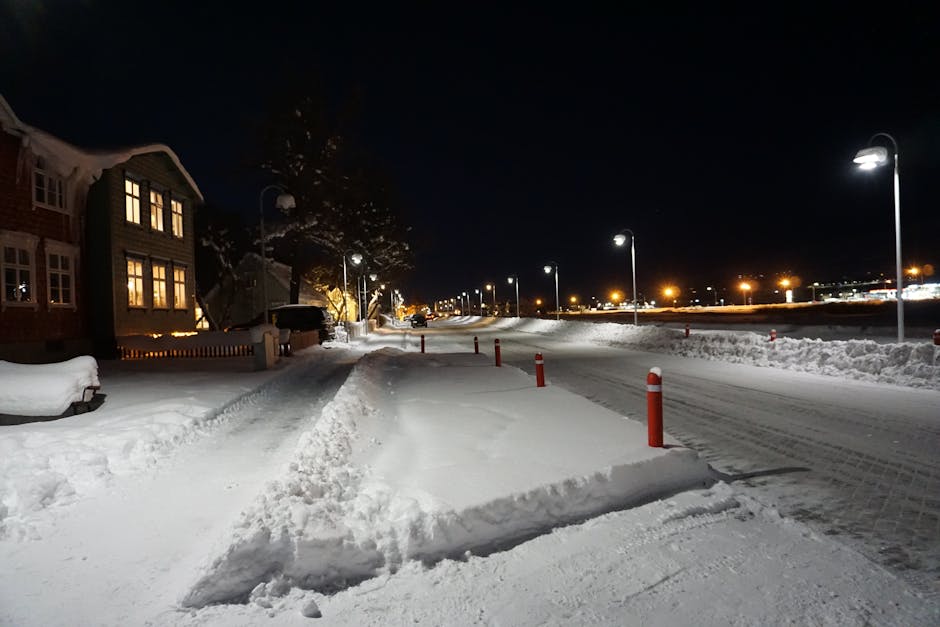
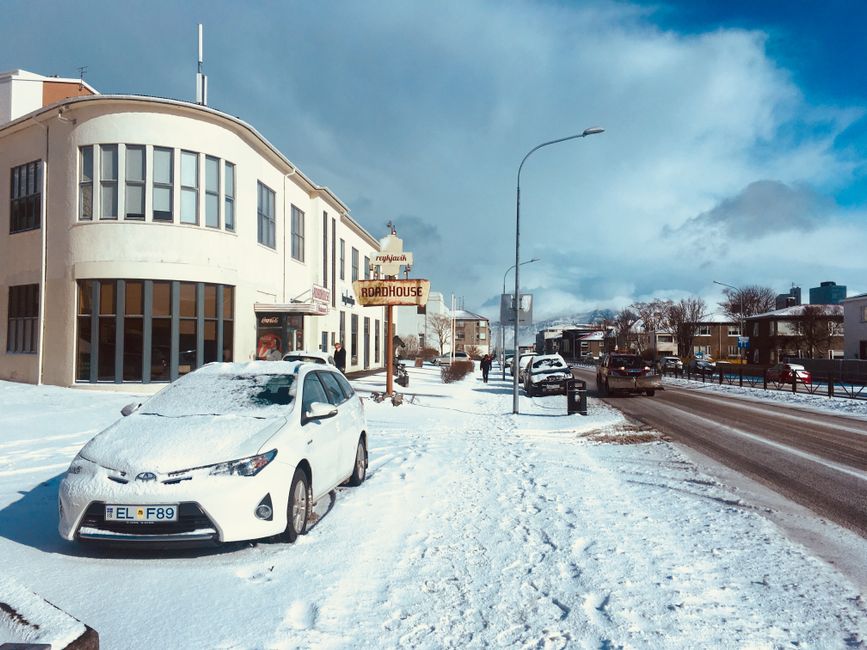
- Think about the weather — snow and ice mean you should choose cleared or covered parking in winter; when traveling in cold months, prefer enclosed car parks.
Money-saving tips:
- Book long-stay airport parking in advance (often 30–60% cheaper).
- Use free peripheral parking and hop on public transport or shuttles to get into town.
- If you rent a car, check whether the rental company offers long-stay parking packages.
Recommended apps: the local parking app (Reykjavík Parkering) and parking reservation platforms (ParkVia, Parkopedia). Always read recent reviews to check lot condition, security and availability.
Conclusion — Parking in Iceland: best practices for a stress-free trip
Parking in Iceland mixes the simplicity of small towns with the need to be mindful of environmental and urban rules. In Reykjavík, be ready to pay for central parking and prefer private or covered lots if you’re staying several days; around Keflavík Airport, compare long-stay car parks and Flybus shuttles to keep costs down; and in national parks and natural spots, stick to designated bays to avoid damaging delicate vegetation. The prices in this guide are estimates converted to euros (ISK rates fluctuate) — check official sites or on-site pay stations for exact fees before you go.
In practice: plan your stops, download the Reykjavík parking app, book long-term parking if you’re leaving your car for several days, and follow signs and marked areas. If you do, you’ll enjoy Iceland’s scenery without parking-related stress. Keep some coins for meters that don’t accept cards, keep a photo of your ticket or app proof to avoid disputes, and carry a municipal parking map or local guide to find free alternatives. Have a great trip — and remember that preserving these places starts with how we park.