





Introduction: The Golden Circle Explained — geysers, waterfalls and Icelandic history
The Golden Circle is one of Iceland’s most iconic day routes. Designed to pack a variety of geological, historical and cultural highlights into a single outing, it links three major sites: Þingvellir (Thingvellir) National Park, the Geysir geothermal area with the Strokkur geyser, and the spectacular Gullfoss waterfall. For hurried travelers and nature lovers alike, the Golden Circle condenses some of Iceland’s greatest hits: tectonic rifts, erupting geysers, thunderous waterfalls and the traces of an ancient Viking parliament.
This practical guide gives you a detailed read on the Golden Circle: exact addresses, typical opening hours, prices in euros, immersive descriptions and local tips to make the most of your visit year-round. I’ll cover each site precisely — where to park, how much to budget, what you absolutely shouldn’t miss and small actions to help protect a fragile environment. The goal is to turn a simple sightseeing stop into a thoughtful, information-rich experience.
The Golden Circle is also a great roadside primer on Icelandic geology. The Eurasian and North American plates drift apart here at roughly 2 cm per year; at Þingvellir you can literally walk between two continents. At Geysir the planet’s internal heat shows itself in bubbling pools and repeated water plumes: Strokkur erupts every 5–10 minutes, giving you regular chances to photograph it. Gullfoss, meanwhile, is a lesson in hydraulic force: the Hvítá river plunges in two tiers into a deep canyon, creating mist and frequent rainbows.
This guide also includes practical details: full GPS-ready addresses, prices shown in euros (with “around” when conversion may vary), and typical seasonal hours. You’ll also find local recommendations — clothing to prefer, best time slots to avoid crowds, the ideal route for photos, and nearby alternatives if the weather turns. I’ve added visual cues in the form of image markers to help you anticipate the most photogenic scenes.
Þingvellir (Thingvellir) — history, the tectonic rift and Öxarárfoss waterfall
Þingvellir National Park (Þingvellir National Park Visitor Centre) is located at: Þingvellir, Þingvellirvegur, 801 Selfoss, Iceland. This site hosted the Alþingi (Althing), Iceland’s parliament founded in 930 AD — one of the oldest parliaments in the world. A place of lawmaking, debate and dispute resolution for centuries, Þingvellir is now a UNESCO World Heritage Site. Park access is free, though the museum/visitor centre runs paid exhibits: museum ticket around €10.00 per adult. Visitor Centre hours vary by season; in high season (May–Sept) the centre is typically open from 09:00 to 17:00, with shorter hours in low season — check online before you go.
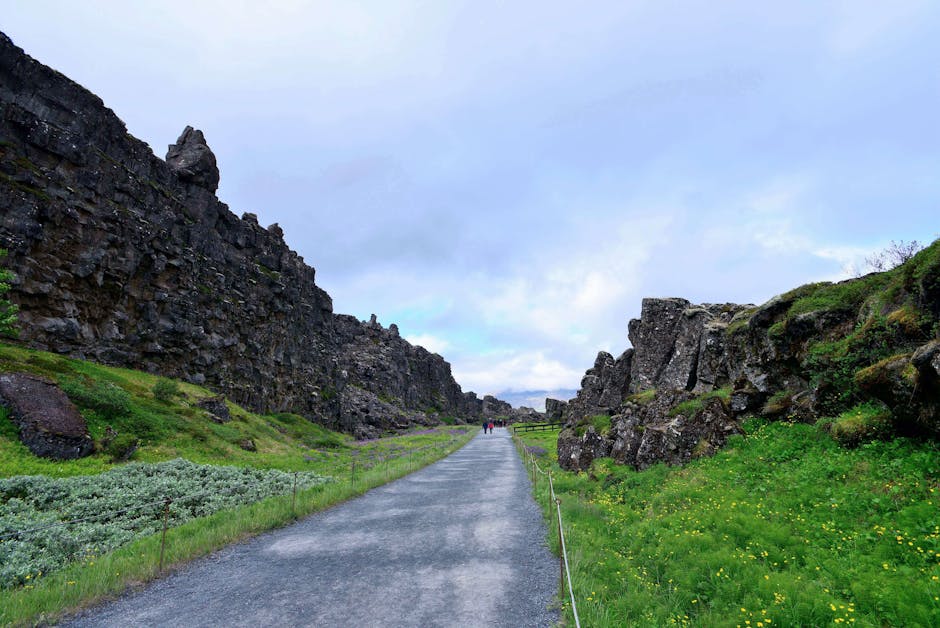
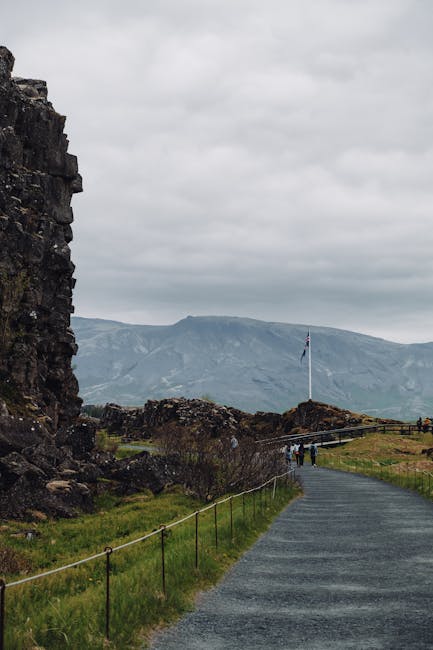
Geologically, Þingvellir is exceptional: the valley is an arena where the Mid-Atlantic Ridge is visible at the surface. Visitors can walk along the Almannagjá fault and inspect basalt walls that literally separate the Eurasian and North American plates. Well-maintained paths make exploration safe. Öxarárfoss, the waterfall inside the park, is reachable via a marked trail from the main parking area — the main access parking address is Þingvallavegur, 801 Selfoss, Iceland. Öxarárfoss is a picturesque fall pouring over black volcanic rock, framed by moss and lichen, offering striking contrast for photographers.
Practical tips: bring waterproof hiking boots and insulating layers — wind funnels through the valley and weather can change quickly. The best windows to avoid crowds are early morning (07:00–09:00) or late afternoon (16:00–19:00) in summer. Follow signs: staying on paths protects fragile vegetation. The site has restrooms and a small café at the Visitor Centre; parking is generally free but may accept voluntary contributions for upkeep.
Geysir Geothermal Area and Strokkur — boiling pools, sounds and sensations
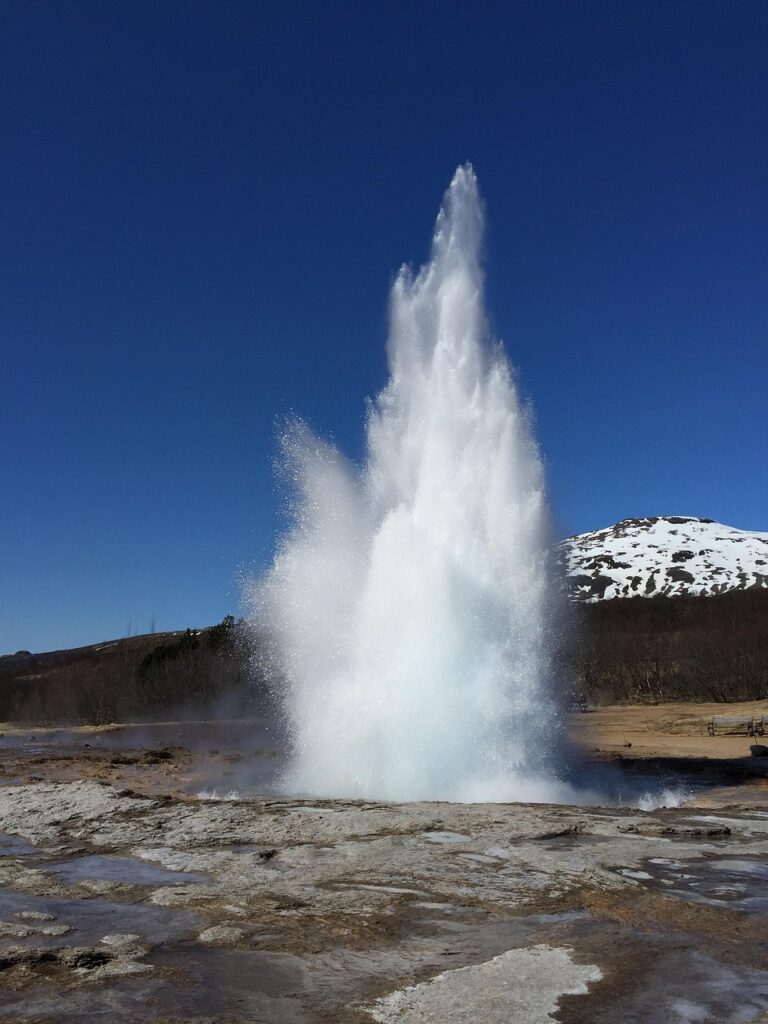
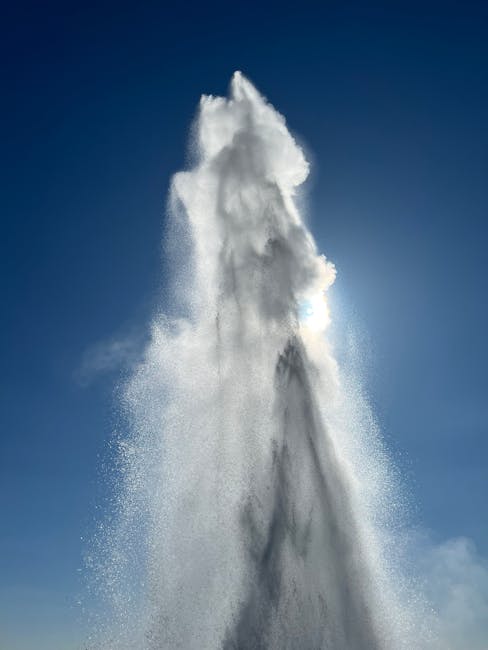
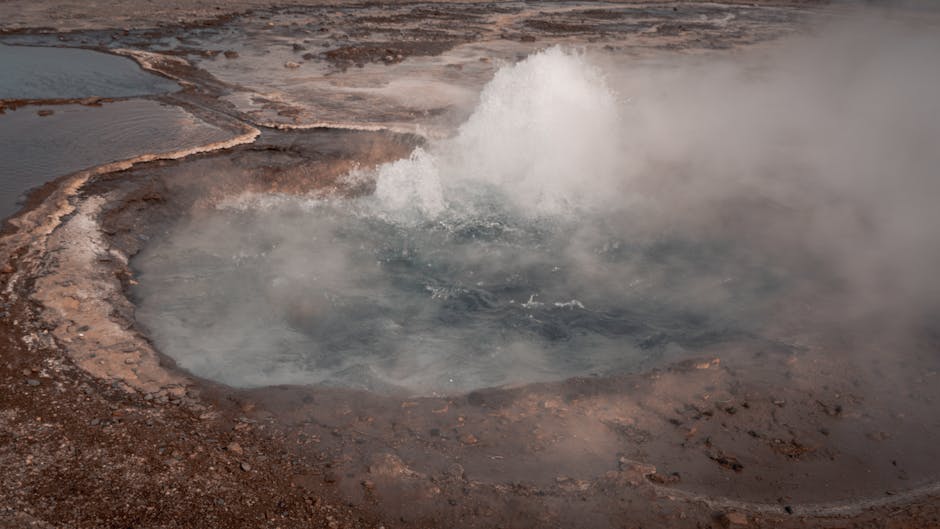
The Geysir Geothermal Area is located at Haukadalur, 806 Geysir, Iceland. While the great Geysir itself is seldom active these days, its neighbor Strokkur steals the show: it erupts every 5–10 minutes, shooting a column of hot water up to 15–20 metres (sometimes higher). The outdoor site is accessible 24 hours, but amenities (Geysir Centre, shops, restaurants) operate on hours: Geysir Centre (Geysir Tourist Center) is usually open 09:00–19:00 in summer; in low season it often runs 10:00–16:00. Always check current opening times before you travel.
Prices: entry to the area is free, but there’s a small paid car park (approx. 700 ISK = around €4.50) to help with maintenance. Cafés and restaurants near the centre serve food and drinks; a basic coffee costs roughly €6–12 and a main dish €18–30 depending on the choice. The site features wooden walkways and viewing platforms to safely watch the bubbling pools and Strokkur’s jets. Sulphur smells are present but usually mild — never approach the pool edges; the water is boiling and dangerous.
Photo and safety tips: stand upwind so steam doesn’t ruin your shots; a wide-angle lens will capture both the colourful pools and Strokkur’s eruption. In winter walkways can be icy — crampons and waterproof clothing are strongly advised. Don’t linger directly behind the eruption zone and obey posted signs. If you’re with a group, coordinate shots quickly: Strokkur gives several chances, but steam and crowds can make framing tricky.
Gullfoss — the golden waterfall, power and light displays
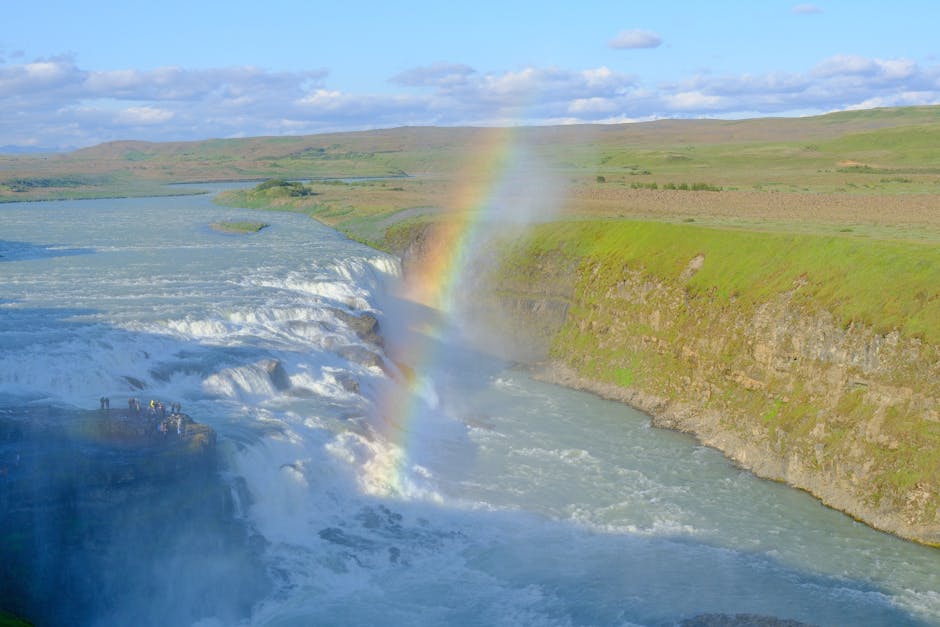
Gullfoss (Gullfoss Waterfall) is located at Gullfoss, 846 Bláskógabyggð, Iceland. It’s one of Iceland’s most famous waterfalls: the Hvítá river plunges in two stages into a deep canyon, creating a constant roar and a mist that often produces rainbows on sunny days. Site access is free; however the official car park generally charges a small contribution (about 700 ISK = ~€4.50). The Gullfoss Visitor Centre and the adjacent Café Gullfoss operate seasonally — typically open 09:00–18:00 in summer. They offer souvenirs, information displays and food.
Immersive description: approaching Gullfoss means feeling the force of the water and sensing the fine spray in the air. Marked paths offer multiple viewpoints: an upper platform gives a sweeping view of the first drop, and a trail (conditions permitting) descends closer to the thunder of the second fall. In high season the walkways are secure and accessible; in winter some platforms may be closed for safety. The contrast between dark rock and white foam, often crowned by a rainbow, creates dramatic photo opportunities whenever the light is right (morning and late afternoon are especially good).
Local tips: to avoid peak crowds arrive early (before 10:00) or late afternoon (after 16:00); in high season the site can be busiest between 11:00 and 15:00. In winter bring windproof, waterproof clothing — the mist soaks quickly. From Reykjavík allow roughly 1h45–2h depending on weather. Hikers can find longer routes starting near Gullfoss that lead to other geothermal landscapes; ask at the Visitor Centre for maps and trail conditions.
Practical tips, suggested itinerary and environmental respect
Suggested one-day itinerary from Reykjavík: leave early (07:30) for Þingvellir (arrive about 09:00), explore for 2 hours, then drive to Geysir (arrive around 11:30), lunch at the Geysir Centre, watch Strokkur for 1–1.5 hours, then head to Gullfoss for the afternoon (arrive around 15:00) and return to Reykjavík in the late afternoon or evening. This loop covers roughly 230–300 km depending on detours and stops. If you have more time, spend a night in the area to enjoy evening light or sunrise.
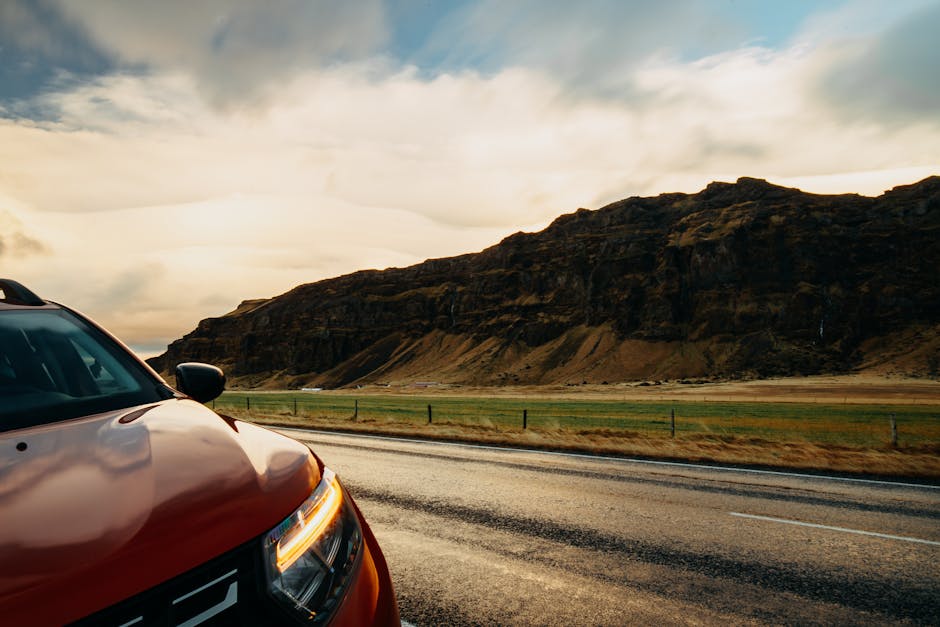
Transport and vehicles: the main Golden Circle roads (Route 1 then Routes 36 and 35) are generally in good condition and passable with a regular car most of the year. In winter check road conditions on the Vegagerðin site (Icelandic Road and Coastal Administration) and rent a suitable vehicle (4×4 recommended). Rentals often include additional insurance options; read terms carefully to cover wind, ice and hail.
Environmental care: Iceland’s nature is fragile. Stay on marked trails, don’t remove stones or vegetation, and pack out your rubbish. Geothermal areas are especially sensitive and hazardous — the water is boiling and the crust can be thin. Service stations and Visitor Centres accept cards; still, carry some cash for small parking contributions if you prefer.
Indicative budget (per person) for a day trip from Reykjavík: fuel €25–45 depending on vehicle, parking and contributions €5–10, food and drinks €20–40, Þingvellir museum entry €10 if you choose to visit the exhibit. Approximate daily total: €60–105 per person. These figures are estimates and may vary with season and exchange rates.
- Best time to visit: May–September for easiest access and comfort, though winter offers dramatic atmospheres and fewer crowds.
- Recommended kit: waterproof hiking boots, windproof and waterproof jacket, layered clothing, extra batteries and memory cards for cameras.
- Local tip: enjoy a coffee at the Geysir Centre and warm up with a treat at Café Gullfoss after your visit — Icelandic hot chocolate is a great pick-me-up after the waterfall spray.
Conclusion: plan ahead to make the most of the Golden Circle
The Golden Circle packs geology, history and the raw power of Icelandic landscapes into an accessible day trip. Þingvellir roots you in Viking history and plate tectonics, Geysir brings you close to the Earth’s boiling heart with Strokkur’s regular eruptions, and Gullfoss reminds you of water’s shaping force. Each site has its own character: reflective and historic at Þingvellir, dramatic and bubbling at Geysir, thunderous and photogenic at Gullfoss.
To get the most from your visit, set off early, plan your distances and wear clothing suited to quick weather changes. Allow time to wander, listen to the silence (or the roar) and study the details — mosses, fissures, mineral flows and rock textures. Prices shown here (parking, museum, food) are estimates in euros and can change; always verify official information before you travel. And please follow local rules so these places remain preserved: stick to trails, avoid restricted areas and leave no trace.
Whether you’re after photography, geology, history or simply to feel the wild, the Golden Circle offers a full, memorable experience. Use this guide as a roadmap: it will help you plan, understand and appreciate each site in depth. Safe travels in Iceland — the weather changes fast, but the memories you bring home from the Golden Circle will last a lifetime.