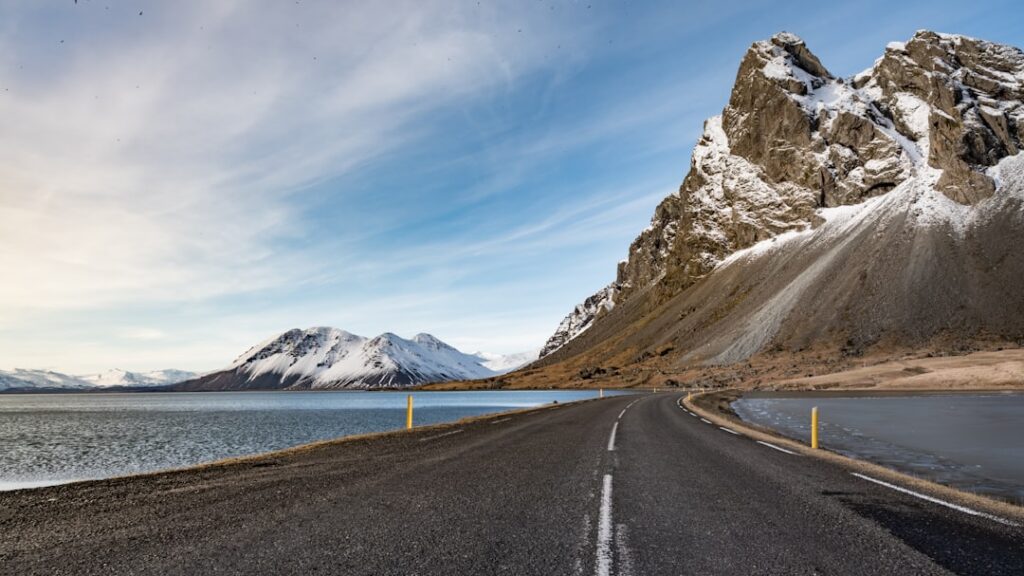






Introduction: Driving in Iceland — Why Preparation Makes All the Difference
Driving in Iceland is often touted as one of the world’s most unforgettable road experiences: otherworldly landscapes, thundering waterfalls, black sand beaches and glaciers that seem to spill onto the road. But that romantic freedom on the road hides plenty of traps for the unprepared driver. Weather conditions change fast, secondary routes (the famous « F-roads ») demand specific vehicles and skills, and navigation or judgment mistakes can be costly in terms of money and safety. This complete guide helps you understand the common mistakes visitors make and how to avoid them, with practical tips, useful addresses, indicative prices in euros and opening hours to help you plan your trip.
Whether you plan to follow Route 1 (Hringvegur) around the island or explore the Golden Circle, knowing what to expect will save you from unpleasant surprises. We’ll describe iconic sites like Þingvellir, Gullfoss, Geysir, Skaftafell and Jökulsárlón, including reference addresses, visitor hours and driving access notes. You’ll also find concrete vehicle advice: what rental type to choose, which insurance to take, how to manage fuel (indicative prices in euros), and local rules like the ban on leaving tracks, single-lane bridges, or driving on sand and river crossings.
This guide is aimed at drivers of all levels — from seasoned road-trippers wanting to avoid fines and vehicle damage, to occasional travelers hoping to see the Northern Lights without taking unnecessary risks. Recommendations include exact contact points for info centers and gas stations, sample rates (rental, fuel, possible entrance fees), and practical opening times (seasonal openings and typical daily hours) to better organize your days. We’ll add local tips from on-the-ground experience: how to read Icelandic signs, what speed to keep on gravel, how to cope with strong gusts of wind, and where to park without harming fragile nature.
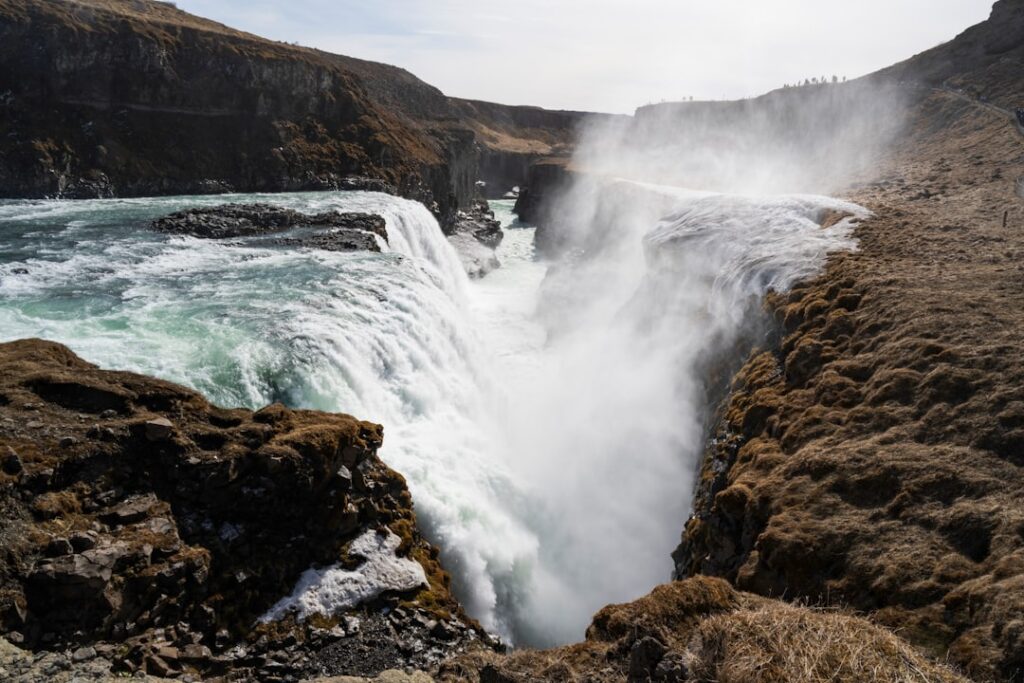
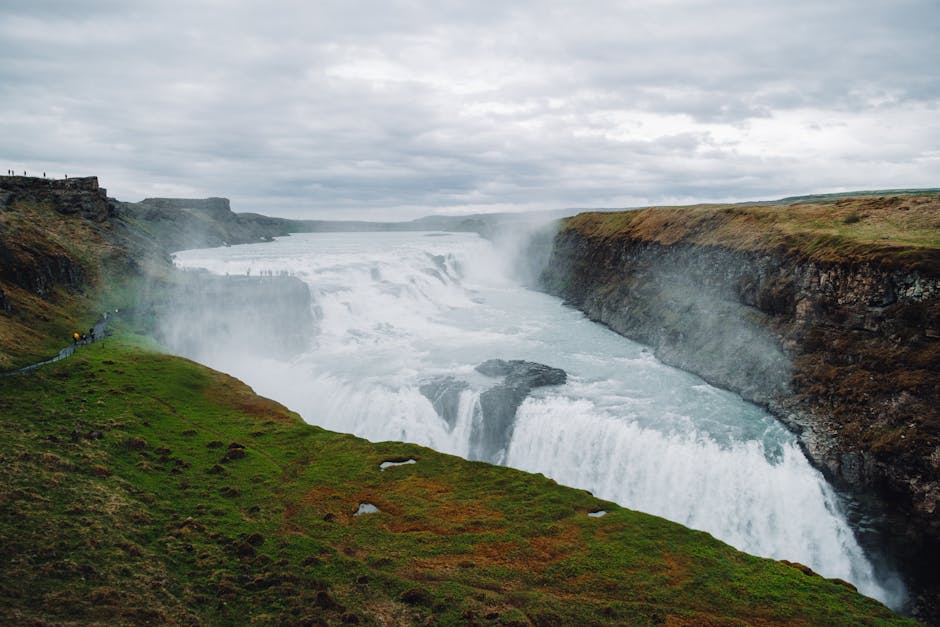
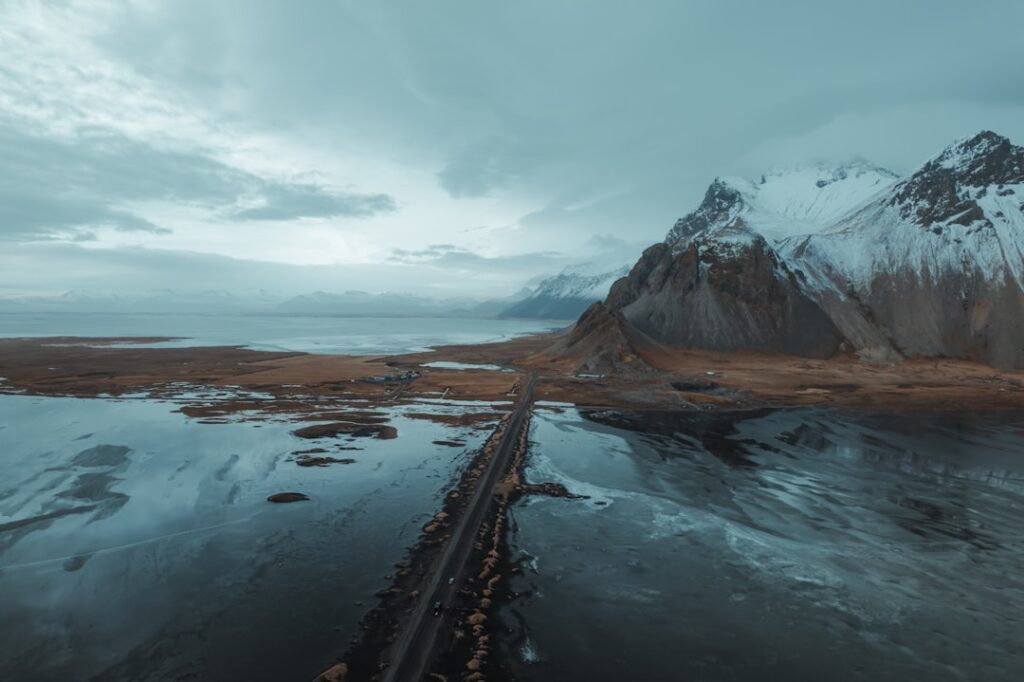
Finally, because a picture often speaks louder than words, you’ll find image placeholders in visually representative spots to inspire your itinerary: views of Route 1 at sunrise, Gullfoss erupting in a spray of mist, the calm Jökulsárlón glacial lagoon, and the sandy plains of the interior. Be ready to drive carefully, but also to experience one of Europe’s most beautiful routes once you’ve avoided the most frequent pitfalls.
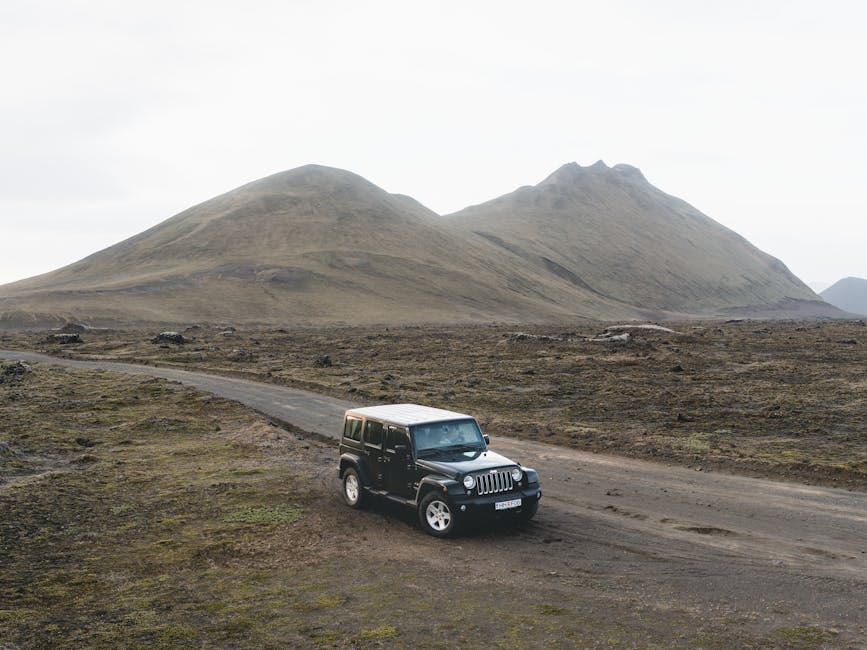
1. Vehicle choice and insurance: Common mistakes and solutions
Common mistake: renting a small city car for your whole trip. Many visitors opt for a compact car to save on rental and fuel, but that saving can turn into a big expense if you take an F-road or if wind and gravel damage the vehicle. In Iceland, roads off Route 1 (Hringvegur) can be demanding. The F-roads (mountain roads closed to non-4×4 vehicles) like the F35 (Kjölur) or F208 require a high-clearance 4×4. Driving an unsuitable vehicle on these roads can damage the undercarriage, tires, or worse — leave you stranded in a remote area.
Solution: rent a 4×4 if you plan to explore the interior or gravel roads. Popular rental agencies with desks at the airport include Blue Car Rental (address: Keflavík Airport, Flugstöð Leifs Eiríkssonar, 235 Reykjanesbær) and Hertz Keflavík (Flugstöð Leifs Eiríkssonar, 235 Reykjanesbær). Indicative prices: a small car can cost €40–70 per day off-season, while a 4×4 usually starts around €90–150 per day. Rates vary by season (high season: June–August). Factor in « Gravel Protection » and « Sand and Ash Protection » insurance if you’re driving near volcanoes or on beaches: these options typically cost €10–30 per day.
Practical hours and tips: rental desks at the airport usually open from 06:00 to 23:00 (Flugstöð Leifs Eiríkssonar, Keflavík International Airport). Book ahead, especially in summer. Check the excess amount and ask for quotes with and without excess to compare. Bring a GPS or enable an offline map on your smartphone (Maps.me, Google Maps offline) because mobile coverage can be limited in the highlands.
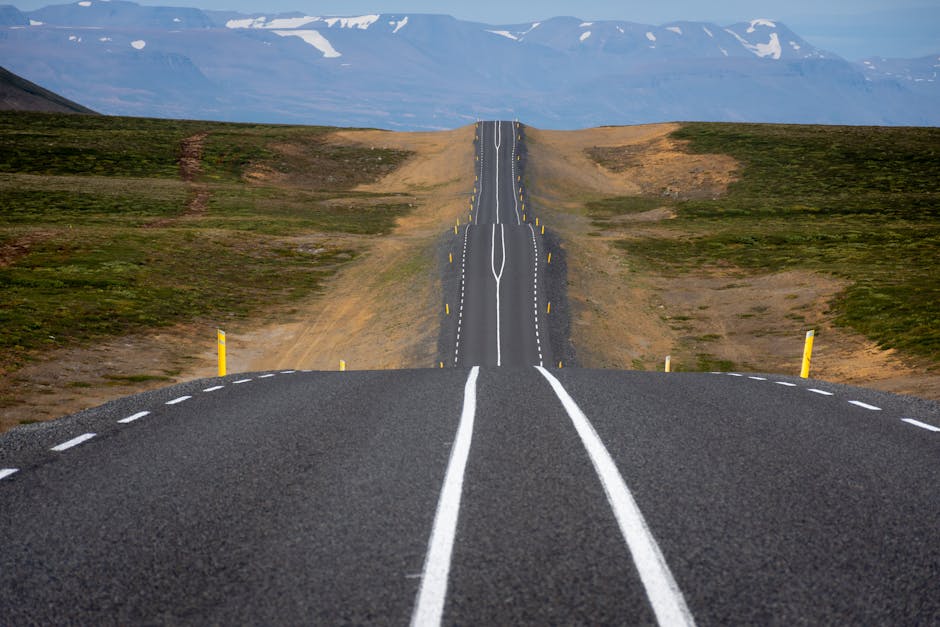
2. Understanding Icelandic roads: signs, surfaces, and natural hazards
Common mistake: underestimating speeds and surfaces. Many tourists assume they can treat gravel roads like paved ones. Secondary Icelandic roads are often covered with loose gravel; handling is different and braking distances increase. Also, most rural bridges are single-lane: the general rule is that the vehicle nearest the bridge has priority, but it’s essential to slow down significantly and communicate with lights. Another hazard is strong crosswinds, especially on the south coast and in open lowlands with no tree protection — these can destabilize light vehicles.
Solution: adopt defensive driving. Limit your speed on gravel to 50–70 km/h depending on the road condition. Respect circular white signs with red borders (prohibitions) and F-route signs (roads accessible only to 4×4 vehicles). Use the official road conditions site: Road.is to check road status and closures (free). If high winds or storms are forecast, don’t hesitate to postpone a journey: safety over sightseeing.
Local practical tips: learn a few useful Icelandic signs: « Ekið varlega » (drive carefully), « Vegur lokaður » (road closed), and « Einbreið brú » (single-lane bridge). Major gas station chains like N1 or Orkan (for example N1 Selfoss, address: Hverfisgata 21, 800 Selfoss) are typically open 07:00–22:00 and are sufficiently frequent along Route 1. Fuel prices (indicative): €1.80–2.00 per litre in 2026; plan refueling especially on isolated stretches heading east between Höfn and Egilsstaðir.
3. Common mistakes at tourist stops and how to avoid them
Common mistake: parking outside official areas. Many natural sites, like the areas around Gullfoss and Geysir, have designated parking areas to protect vegetation. Parking on grass or outside marked areas can damage fragile flora and lead to fines. Likewise, wandering off-trail in places like Skaftafell (Skaftafell Visitor Centre, Vatnajökull National Park, 785 Öræfi) or the Jökulsárlón lagoon (Jökulsárlón Glacier Lagoon, 781 Höfn) is strongly discouraged for safety and conservation reasons.
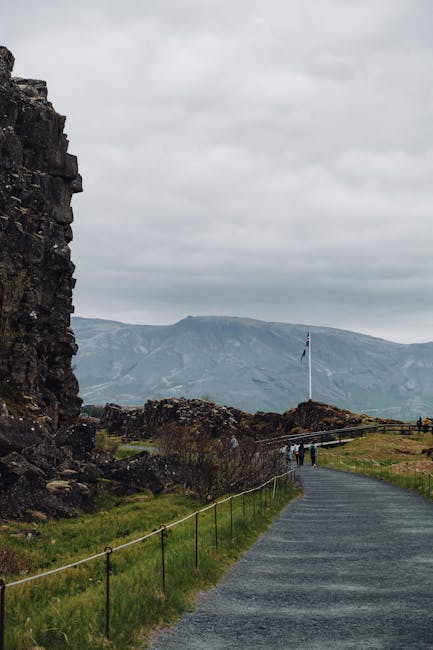
Solution: use official parking areas and stick to marked trails. Practical examples and opening times: the Gullfoss Visitor Centre (Gullfoss, 801 Selfoss) is typically open 08:00–20:00 in high season; parking is free but facilities (cafeteria) may charge €6–12 for drinks and snacks. The Þingvellir Visitor Centre (Þingvellir National Park Visitor Centre, 806 Selfoss) is open 09:00–17:00 off-season and provides information on trails (park entry is free, guided tours cost around €20–40).
Local tips: read the information boards on arrival and, if possible, talk to park rangers to find recommended trails based on current weather. Bring waterproof walking shoes and windproof clothing. When watching seals at Jökulsárlón, keep a respectful distance: there are amphibious boat tours from the parking area (indicative price €40–70 per adult; operators and schedules vary by season, typically 09:00–18:00). Respecting these rules protects both your safety and the island’s fragile environment.
4. Weather, equipment and emergency preparation
Common mistake: ignoring rapidly changing weather and not packing the right gear. In Iceland, weather can flip within hours: sun, rain, snow, then gale-force wind. Roads can become impassable, especially in winter. Many drivers don’t carry an emergency kit, headlamp or blanket. Phones can also lose signal in certain valleys or highlands, making emergency calls harder.
Solution: prepare an emergency kit in your car: thermal blankets, water, energy snacks, a first-aid kit, a headlamp, a compact shovel and jumper cables. Make sure your phone battery is charged and carry a power bank. Program the Icelandic emergency number 112 into your phone — it connects to police, ambulance and rescue services. For highland trips, consider renting a satellite phone if you’re planning many off-network excursions.
Assistance hours and services: most N1 stations open early and close late (e.g. N1 Reykjavík Airport Road, address: Reykjavíkurflugvöllur Area 1, hours 06:00–23:00 depending on location). Towing services exist but are expensive: if you need extraction from an F-road, bills can exceed €500–2,000 depending on the scale of the recovery. Subscribe to roadside assistance (or a « Roadside Assistance » insurance) if your budget allows.
Local advice: check weather on Vedur.is (national weather service) and road conditions on Road.is before each departure. If a storm is forecast, do not push the journey: wait in safe accommodation. Visitor centers and mountain lodges like Skaftafell Visitor Centre often provide updated information and Wi-Fi to check forecasts.
5. Driving rules, respecting nature and fines: best practices
Common mistake: ignoring local rules, especially those protecting the environment. In Iceland it is strictly forbidden to leave designated roads and tracks to preserve delicate vegetation and peatlands. Fines for off-track driving or dangerous driving can be steep, and Icelandic authorities do not excuse ignorance. Another common lapse is forgetting the right-of-way rules on single-lane bridges or underestimating the importance of always wearing seat belts.
Solution: strictly follow signs and fenced-off areas. Remember that Icelandic nature is fragile: moss, once damaged, takes decades to recover. Fines for driving off-track can run into several hundred euros. For serious safety violations, penalties can include heavier prosecution depending on the severity. Respect speed limits: typically 90 km/h on main paved roads, 50 km/h in towns and 80 km/h on gravel where signed.
Practical tips: when in doubt, ask staff at local information centers (for example, Þingvellir Visitor Centre) and stick to marked trails. Plan regular stops to admire scenery without blocking the road: official car parks are usually signposted and allow safe photography. Finally, support the local economy by buying from cafés and shops at sites (e.g. Gullfoss Cafe & Shop, Gullfoss, 801 Selfoss — hot drinks usually €3–7): this helps fund site management and protection.
Conclusion: Drive responsibly to fully enjoy Iceland
Driving in Iceland can be one of the most memorable experiences of your life if you’re well prepared and respectful of local rules. The most common mistakes — underestimating the weather, choosing an unsuitable vehicle, leaving marked tracks, or skimping on insurance — are almost all avoidable with minimal preparation. Book a 4×4 if you plan to explore F-roads, take gravel and sand protections, check weather at Vedur.is and road status at Road.is, and equip yourself for emergencies. Always remember that Iceland’s nature is fragile: use official parking, follow trails and avoid impromptu stops on vegetation.
Plan your days around information desks and services: for example, Gullfoss Visitor Centre (Gullfoss, 801 Selfoss) typically opens early in high season to handle tourist flows; the Þingvellir Visitor Centre (Þingvellir National Park Visitor Centre, 806 Selfoss) runs schedules and guided tours to help you understand the site’s geology and history. Keep some euros handy for small purchases (cafés, souvenirs) but be prepared to pay mostly by card — Iceland is very digital. Above all, follow local regulations and drive carefully: that way you’ll enjoy the Northern Lights, black sand beaches, waterfalls and glaciers safely and with environmental awareness.
In short: drive slowly when needed, plan your routes, kit yourself out properly, and leave nature untouched. It’s the best way to bring home unforgettable memories — and a trip well told without costly surprises.