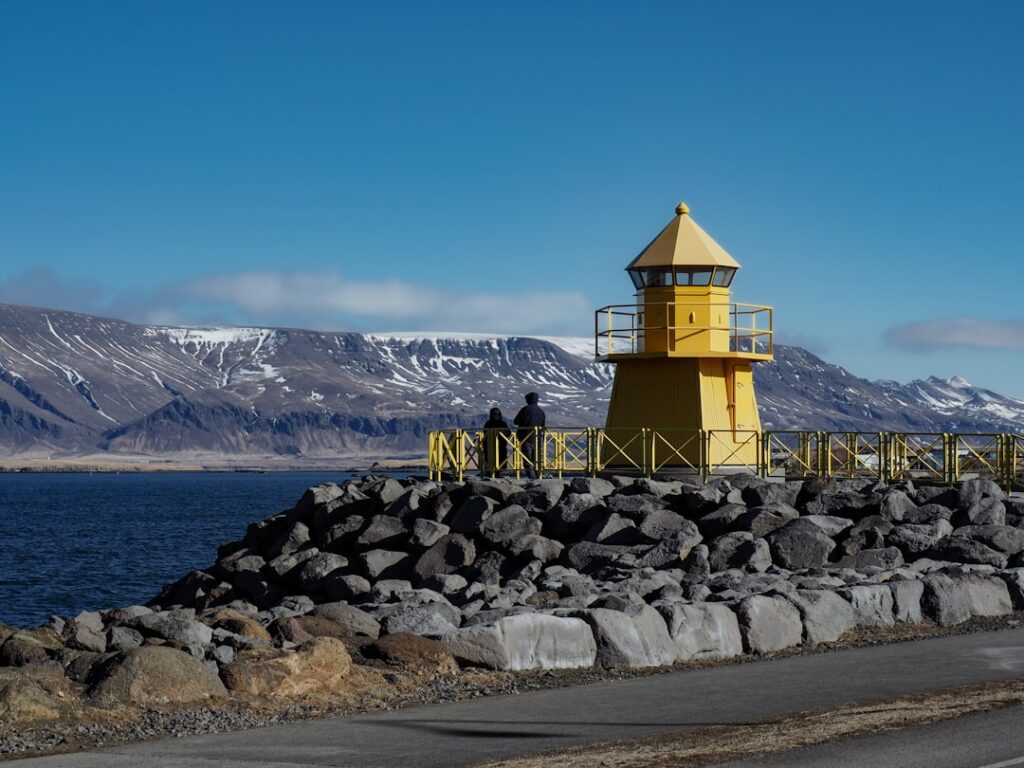






Introduction — Why Tasting Iceland Is a Must
Iceland isn’t just for lovers of volcanic landscapes, the Northern Lights, and hot springs: it’s also a unique culinary land where tradition, harsh climate, and abundant seas create one-of-a-kind specialties. Whether you arrive in Reykjavík after a long flight or you’re driving the Ring Road, Icelandic food tells the story of a people who learned to make the most of local resources to survive and celebrate.
This practical guide takes you on a culinary tour of the 10 Icelandic dishes you absolutely should try. For each dish you’ll find: a sensory description, recommended places to taste it (full name, exact address), practical details (opening hours, indicative prices in euros), and local tips to make the most of the experience. The approach is intentionally broad and professional: useful for the traveler short on time who wants to tick off the essentials, and for the curious foodie who wants to understand textures, flavors, and the stories behind each bite.
The dishes range from rustic to refined: from hákarl (fermented shark), a legendary and provocative plate, to milky treats like skyr, plus the national hot dog, smoked fish, and lamb-based specialties. Each dish is rooted in a cultural context: preservation traditions, smoking techniques, seasonal fishing cycles, or family celebrations. We list addresses in Reykjavík and a few other towns because that’s where you’ll find the widest, safest selection and expert explanations.
Note that displayed prices are in euros and are indicative: Iceland uses the Icelandic króna (ISK) and amounts can vary with exchange rates and restaurant policies. Opening hours may change with the season (summer/high season vs winter). We also give practical tips on how to approach surprising dishes (smell, texture), which drinks pair best, and how to share portions to avoid waste.
General tip: eat with curiosity and respect for traditions — most Icelandic establishments are happy to explain a specialty’s origins. And if you have dietary restrictions (allergies, vegetarianism), always check with staff: fish, lamb, and dairy dominate traditional Icelandic cooking.
1. Hákarl — Fermented Shark: a Traditional Rite
Hákarl is undoubtedly one of Iceland’s most famous — and most feared — specialties. It’s shark meat (typically Greenland shark) that has been fermented and then dried. The traditional method involved burying the flesh out of the water for several weeks to let it decompose, then hanging it to dry. The result is a strongly aromatic meat with a firm texture, an intense taste and often an ammonia-like sensation on first bite. Treat it like a rite of passage.
Recommended spots:
- Sægreifinn — The Sea Baron, Geirsgata 8, 101 Reykjavík. Hours: Mon–Sun 11:00–22:00. Price: hákarl tasting portion around €6–€9 (as part of a selection).
- Kaffivagninn, Tryggvagata 14, 101 Reykjavík. Hours: Mon–Sun 08:00–21:00. Price: plate of local specialties including hákarl €8–€12.
How to taste it: Icelanders often serve hákarl cut into small cubes alongside a shot of brennivín (a local potato-based schnapps flavored with herbs) to soften the taste. Don’t be surprised by a strong initial smell — it often fades after the first bite. Take a small piece, chew slowly to appreciate the texture, then sip a little brennivín or water to balance it.
Local tips: if you’re with friends, share a small portion — hákarl is often enjoyed collectively, accompanied by laughter and commentary. Modern versions served in Reykjavík restaurants are prepared more carefully and are less aggressive than the most traditional preparations, making them a gentler intro for first-timers.

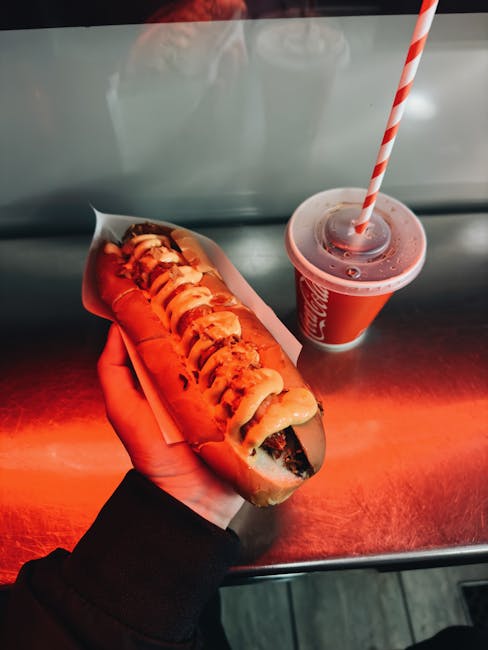
2. Pylsur — The Icelandic Hot Dog: Simple and Iconic
The Icelandic hot dog (pylsa) is an urban institution, often hailed as “the best hot dog in the world” by travelers. The sausage is made from a mix of lamb, pork and beef, served in a soft bun with a signature combo of condiments: ketchup, Icelandic mustard, remoulade (a mayo-and-onion sauce), fresh onions and crispy fried onions.
The must-visit spot:
- Bæjarins Beztu Pylsur, Tryggvagata 1, 101 Reykjavík. Hours: daily 11:00–02:00 (seasonal variations). Price: classic hot dog €3–€4.50.
Immersive description: the queue feels almost ceremonial: tourists, truck drivers and students crowd around the small red stand. The smell of toasted bun, the sizzle of fried onions, the sweet-salty mix of sauces — it all comes together in a comforting bite. It’s perfect after a night out or after a short hike.
Local tips: order an “ein með öllu” (one with everything) to get the full combination. For those looking to upgrade, some cafés and restaurants offer gourmet versions with artisan bread and premium sausages (prices €7–€12). For an authentic local vibe, sit on a bench facing the old harbor and watch Icelandic city life while you enjoy your pylsa.
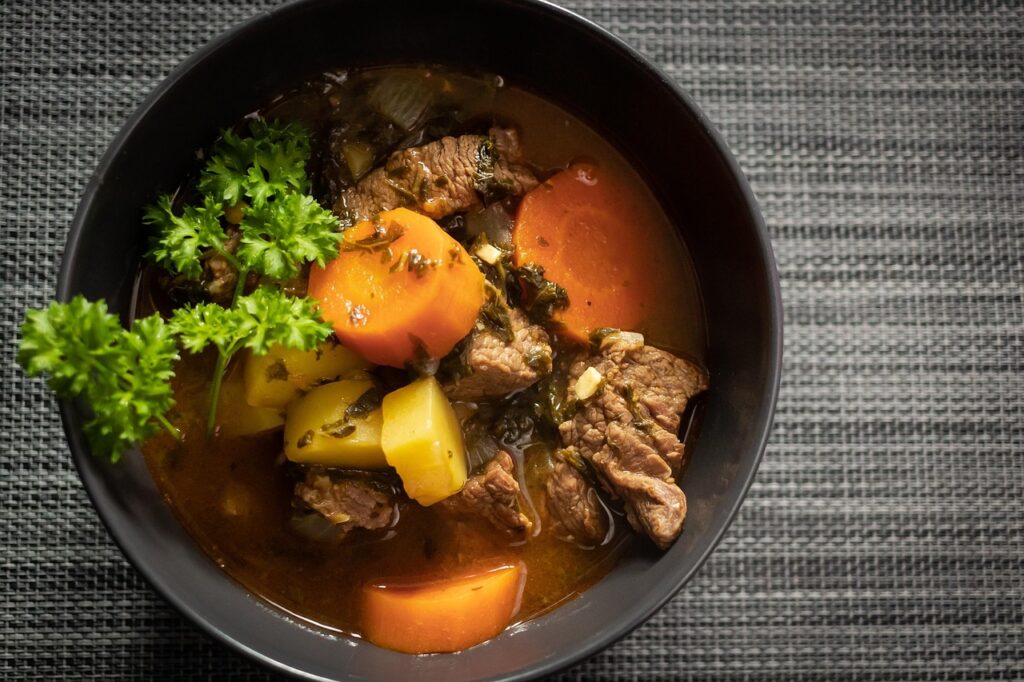
3. Kjötsúpa — Comforting Icelandic Lamb Soup
Kjötsúpa is the traditional Icelandic lamb soup: simple, nourishing and perfect for cold days. It combines pieces of lamb (often on the bone for flavor), potatoes, carrots, rutabagas and herbs. The broth is light but deeply flavorful thanks to the slow-cooked lamb. It’s often a family staple, served at home and in countryside restaurants.
Recommended places:
- Café Loki, Lokastígur 28, 101 Reykjavík. Hours: Mon–Sun 09:00–18:00. Price: bowl of kjötsúpa €10–€14.
- Fiskfélagið (Fish Company), Vesturgata 2a, 101 Reykjavík — offers a contemporary lamb-based version. Hours: Tue–Sat 17:00–22:00. Price: soup starter €12–€16.
Taste experience: kjötsúpa is hearty and comforting. The lamb’s flavor is present but never overpowering; the vegetables bring sweetness and texture. The dish embodies Icelandic country cooking: no fuss, just well-worked quality ingredients.
Local tips: always ask if the lamb is locally farmed (often listed as “lamb from Icelandic family farms”) — the flavor difference is noticeable. In winter, pair the soup with a slice of dark rye bread (rúgbrauð) and a glass of water or a local beer for a complete meal.
4. Plokkfiskur — Comforting Fish Stew
Plokkfiskur is a homestyle dish made from white fish (often cod or haddock), mashed potatoes, onions and a creamy butter sauce. Historically it was a way to use leftover fish, but today it’s served in cafés and restaurants as a comforting classic.
Where to try it:
- Prikið Café, Bankastræti 12, 101 Reykjavík. Hours: Mon–Sun 08:00–23:00. Price: plokkfiskur plate €11–€15.
- Seafood Grill — Sjavargrillid, Skólavörðustígur 14, 101 Reykjavík. Hours: daily 12:00–22:00. Price: gourmet version €16–€22.
Texture and taste: creamy and melt-in-your-mouth, plokkfiskur highlights the quality of Icelandic fish. The mashed potatoes add body and the butter sauce brings richness without feeling heavy. It’s the kind of dish you order when you want to feel warm and well-fed after a seaside walk or a day outdoors.
Local tips: plokkfiskur pairs nicely with a touch of strong mustard or pickles on the side, and with dark rye bread. It’s also a family favorite — in some homes everyone adds their own twist (extra onions, herbs, or cream).
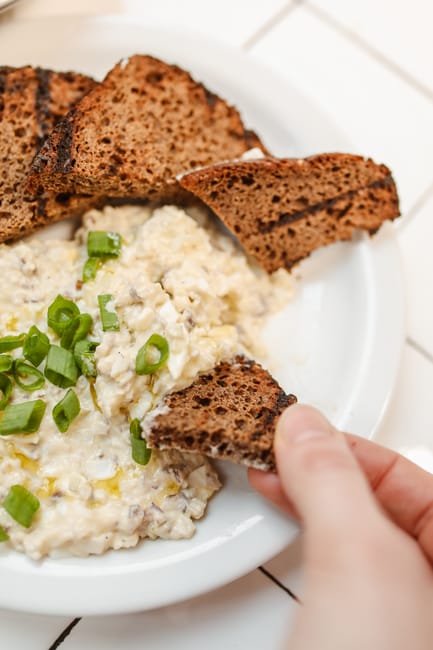
5. Rúgbrauð — Icelandic Rye Bread, Steamed or Geothermal-Baked
Rúgbrauð is a dense, very dark, slightly sweet rye bread traditionally cooked in the ground near hot springs (geothermal baking) or steamed. Its texture is moist and almost cake-like; it’s often sliced thinly and served with butter, pickled herring, smoked salmon or cheese.
Where to find it:
- Brauð & Co, Frakkastígur 16, 101 Reykjavík. Hours: Mon–Sat 08:00–18:00. Price: slice of rúgbrauð €1.50–€3; platters with spreads €6–€11.
- Reykjavík Roasters (select pastries), Kárastígur 1, 101 Reykjavík. Hours: Tue–Sun 09:00–17:00. Price: sandwiches with rúgbrauð €7–€12.
Best time to enjoy: rúgbrauð is ideal at breakfast with smoked salmon and a little dill, or as a side to a hot soup. Slow-baked, it keeps well and is a great takeaway for a picnic during an excursion.
Local tips: look for geothermal-baked versions (some farms and hotels offer demonstrations). The natural caramelized aroma is stronger in breads baked in the warm earth. For a classic pairing, serve with skyr and local berries for a sweet–salty contrast.
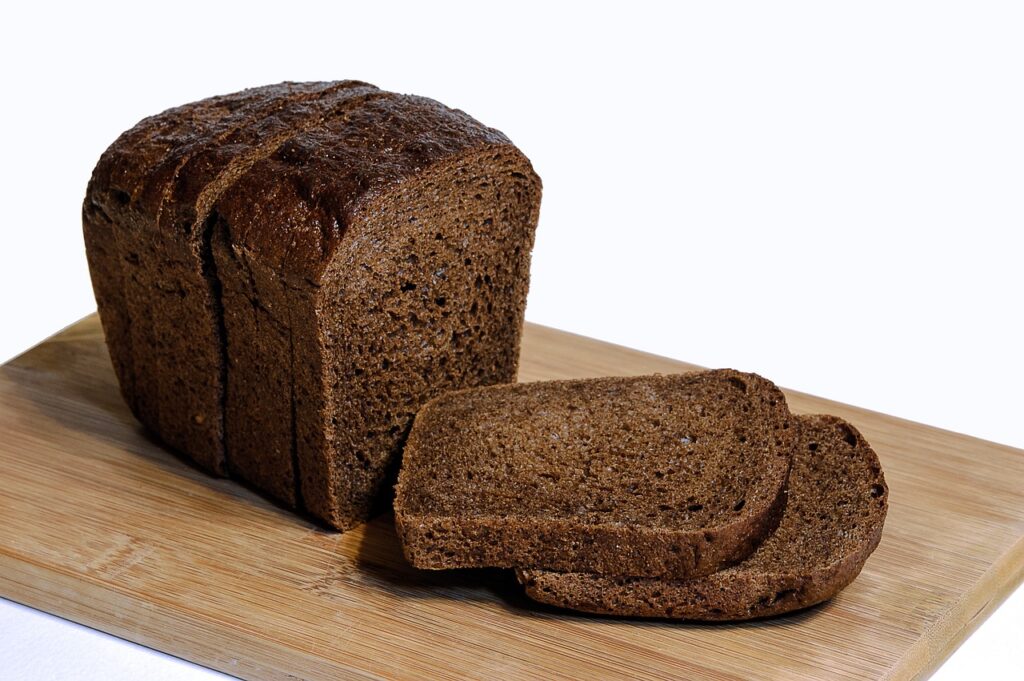
6. Harðfiskur — Dried Fish, an Ancient Snack
Harðfiskur is dried fish (often cod or halibut) prepared into hard fillets and eaten as a snack. It’s been a staple in Iceland for centuries, typically paired with butter to soften it and enrich the flavor. Think of it as Iceland’s version of jerky: protein-rich and favored by fishermen and hikers.
Where to buy and taste:
- Kolaportið Flea Market (food stalls), Tryggvagata 19, 101 Reykjavík (open on weekends). Hours: Sat–Sun 10:00–17:00. Price: bag of harðfiskur €4–€10 depending on size and quality.
- Fishmongers at Old Harbour — Reykjavík Harbour Stalls, Geirsgata area, 101 Reykjavík. Hours: variable, generally 10:00–18:00. Price: portions €3–€8.
Sensory notes: harðfiskur is dry, fibrous and requires long chewing. When spread with a little butter it softens and reveals a concentrated marine, umami flavor. Icelandic children often love it.
Local tips: buy a small packet to sample before committing to a larger purchase. Varieties differ: some fillets are thick, others shaved into flakes. It’s an excellent on-the-go snack for hikes or coastal drives.
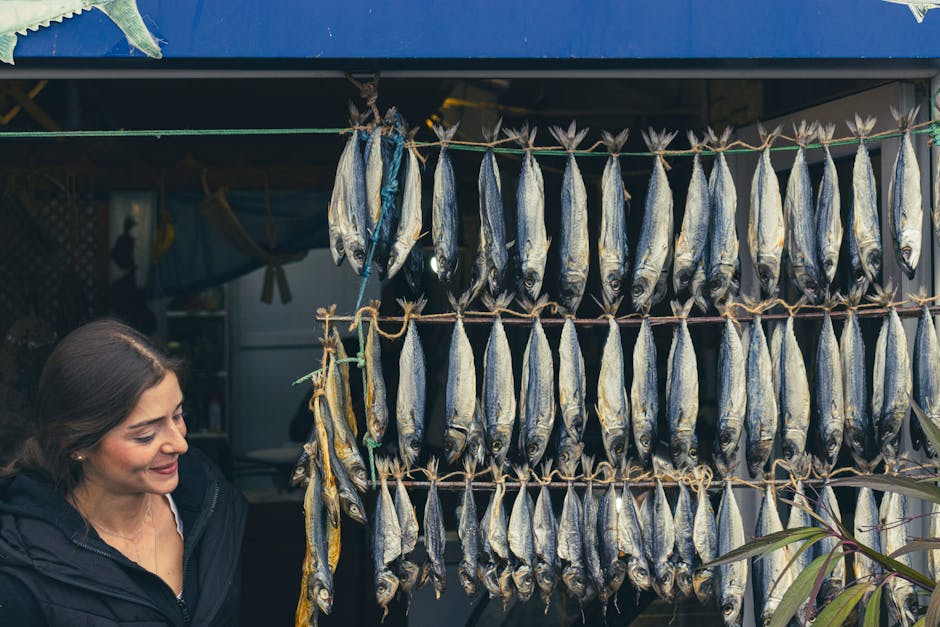
7. Smoked Salmon and Gravlax — Icelandic Smoked and Cured Salmon
Iceland offers very high-quality salmon, served smoked (hot- or cold-smoked) or as gravlax (cured with salt, sugar and dill). Textures range from silky and slightly oily to firmer, depending on the preparation. These are often served in thin slices with rúgbrauð, dill and a squeeze of lemon.
Recommended addresses:
- Fish Market — Fiskmarkaðurinn, Aðalstræti 12, 101 Reykjavík. Hours: Mon–Sun 17:00–22:00. Price: smoked salmon starter €14–€20.
- Sea Baron — Sægreifinn, Geirsgata 8, 101 Reykjavík (also known for smoked fish). Hours: 11:00–22:00. Price: smoked salmon plate €12–€18.
Pairings and tasting: serve the salmon with dark rye bread, salted butter and a dry white wine or a light Icelandic lager. Gravlax, being more delicate, needs little accompaniment — let the dill and the fish’s texture speak for themselves.
Local tips: look for “Icelandic salmon” on menus to ensure origin. At markets, talk to the fishmongers — they’ll often offer a taste and advise on freshness and smoking style.
8. Skyr — Icelandic Dairy, Creamy and Protein-Packed
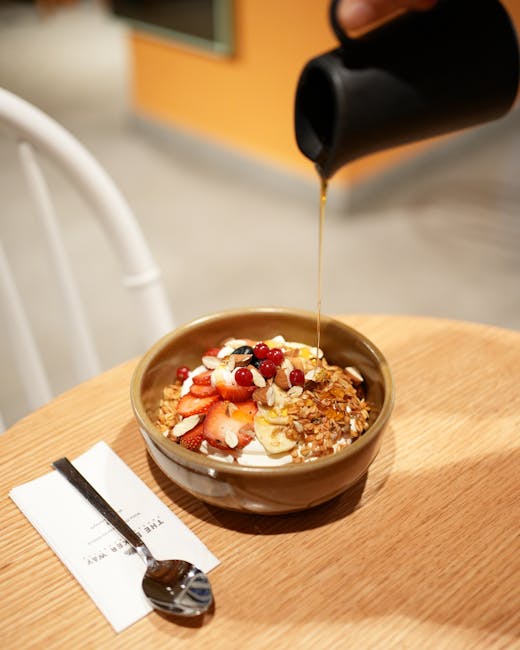
Skyr is a dairy product similar to yogurt but denser and higher in protein. Traditionally Icelandic, it has a silky texture and a gentle tang. It’s eaten plain or flavored (berries, vanilla, honey). It’s the go-to healthy option for breakfast or a snack after a hike.
Where to try it:
- Local supermarkets — Bónus Laugavegur 117, Laugavegur 117, 105 Reykjavík. Hours: Mon–Sat 10:00–20:00. Price: individual pots of skyr €1.50–€3.50 depending on size.
- Skyr-store and cafés — Skyrgerðin shop (shop selections), location vary in Reykjavík tourist areas. Price: skyr desserts in cafés €4–€8.
Taste profile: dense, creamy, with a slight acidity that makes it very refreshing. Paired with Icelandic berries (bilberries, crowberries) or toasted rúgbrauð, it becomes a perfectly balanced treat. Sweet versions suit travelers looking for a light snack.
Local tips: skyr is commonly served in hotels and mountain huts. Try different Icelandic brands to notice subtle differences (thicker or lighter texture, varying fat content). In grocery stores, pick local pots for authenticity and better prices.
9. Hangikjöt — Smoked Lamb Roast, Festive and Smoky
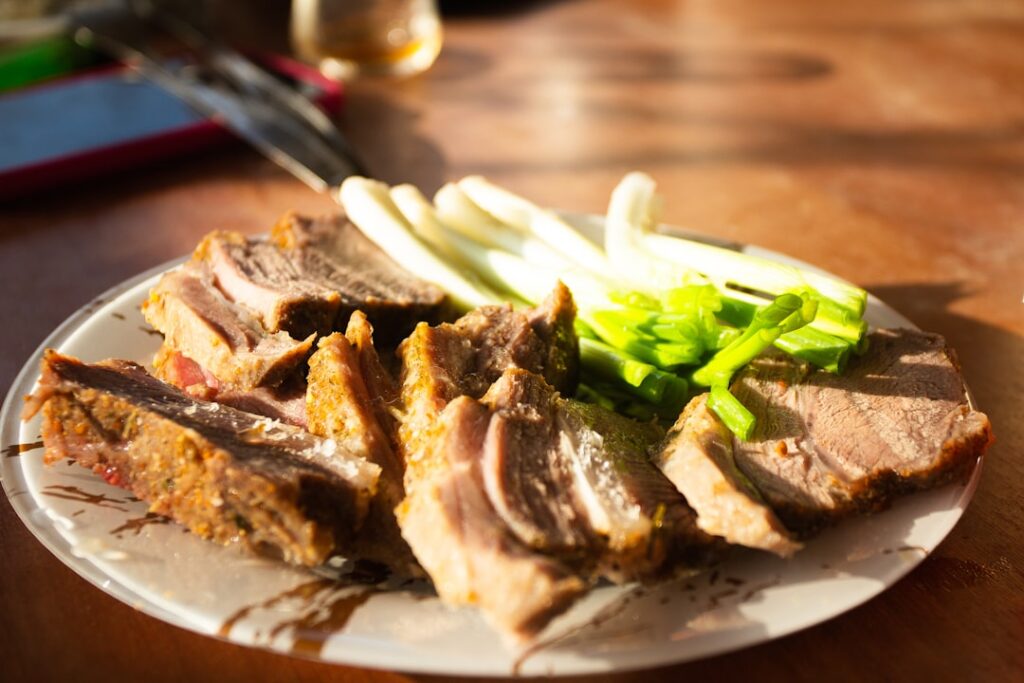
Hangikjöt is smoked lamb (sometimes pork), usually served cold or warmed and thinly sliced. It’s a traditional Christmas dish in Iceland, but you’ll find it year-round in restaurants. The smoking adds aromatic depth and the meat becomes tender when reheated.
Best places to taste it:
- Friðheimar restaurant (greenhouse kitchen), Reykholt (Golden Circle area), Friðheimar Tomato Farm, Reykholt, 806 Selfoss. Hours: daily 10:00–18:00. Price: hangikjöt dish €15–€22.
- Matarkjallarinn — Food cellar (Þingholt byke), Hverfisgata 12, 101 Reykjavík. Hours: Tue–Sat 17:00–22:00. Price: hangikjöt plate €14–€20.
Flavor and service: hangikjöt is often served with potatoes in béchamel sauce, peas and a mild sweet jelly. The smoke is gentle but noticeable, and the meat stays juicy when handled correctly. It’s a good example of a tradition that has adapted to contemporary presentations.
Local tips: if you visit in December, hunt for Christmas buffets (“jólahlaðborð”) to sample traditional versions. Outside the season, book restaurants that highlight Icelandic-sourced meat to ensure authenticity.
10. Kleinur, Laufabrauð and Other Pastries — Icelandic Sweet Treats
Icelandic baking blends Scandinavian influences with local tradition. Must-tries include kleinur (twisted doughnuts), laufabrauð (very thin, crispy bread decorated for festivities), and småkök (buttery cookies). These goodies accompany coffee and symbolize Icelandic hospitality.
Where to find them:
- Bakari Sandholt, Laugavegur 36, 101 Reykjavík. Hours: Mon–Sat 07:30–18:00. Price: kleinur €1.50–€3; pastry assortments €4–€8.
- Brauð & Co, Frakkastígur 16, 101 Reykjavík (best buns and kleinur). Hours: Mon–Sat 08:00–18:00. Price: viennoiseries €2–€5.
Immersive description: picture a steaming cup of coffee and a buttery pastry in hand, the slight sweetness a nice contrast to the crisp outside air. Kleinur are crunchy outside and soft inside; laufabrauð is so thin it snaps like a cookie. These are perfect for a break after a museum visit or before a bus tour.
Local tips: buy these specialties in the morning to enjoy them fresh from the oven. If you’re invited to someone’s home during the holidays, expect trays of laufabrauð and kleinur shared family-style — it’s a time of warmth and connection.

Conclusion — Tasting Is Understanding Iceland
Tasting Icelandic specialties is a way into the culture of a people whose culinary choices have been shaped by nature. From hákarl — challenging and telling of preservation strategies — to bakery sweets that celebrate domestic life, each dish carries a story and a landscape: cold oceans, lamb pastures, geothermal springs and long winter nights. This guide to ten specialties invites you on a flavor journey through Reykjavík and a few rural spots, but it’s just the start of a broader exploration.
Before you set off, keep a few practical rules in mind: always check opening hours (many small places close early or vary hours off-season), check prices in ISK and convert to euros at the time of travel, and be ready to share — many Icelandic dishes are best enjoyed communally. Markets like Kolaportið and the stalls at the old harbor are excellent taste schools: you can chat with producers, sample items and buy portions to take on a picnic by a fjord.
Finally, my most important tip: approach every dish with curiosity and respect. Icelandic flavors can surprise you, but they reflect a relationship to nature and survival that’s worth experiencing. Even if some dishes don’t become your favorites, the learning, the encounters with cooks and the landscapes that frame these meals will remain among your strongest memories from Iceland.
Enjoy your culinary journey — and don’t forget to bring your senses along: they’ll be your best guides.