




Introduction — Why knowing the seasons matters and how to dodge crowds in Iceland
Iceland has, in just a few years, become a top destination for travelers chasing wild landscapes, dramatic volcanic scenery and the northern lights. That surge in popularity has a downside: overcrowded iconic sites, full car parks, congested roads and strained local infrastructure. Knowing the seasons, local peak hours and viable alternatives not only makes your trip more enjoyable but also helps protect these fragile environments by spreading the load more responsibly.
This practical guide gives you detailed tips to plan your Iceland visits while minimizing time spent shoulder-to-shoulder with other tourists. It covers when to avoid the most famous attractions — like the Jökulsárlón glacier lagoon, Seljalandsfoss waterfall, the Golden Circle (Þingvellir, Geysir, Gullfoss) and the Reykjanes area including the Blue Lagoon — and suggests time slots, alternate routes, parking tips, current prices in euros and typical opening hours. You’ll also find practical advice on driving, accommodation and safety that takes seasonal variations (summer, winter, shoulder seasons) into account.
This guide is aimed at independent travelers, small groups, photographers and anyone who wants a calmer, more authentic Iceland experience. The goal is simple: help you visit when light, weather and crowd levels work in your favor. We also list less-visited but equally stunning alternatives and share local tips — for example, the best time to arrive to avoid coach tours, which car parks charge a fee and which are free, and how to book popular activities (boat trips, geothermal baths, guided ice cave tours) without unpleasant surprises.
Expect concrete details: exact addresses (to ease GPS navigation), prices in euros (most places charge in ISK on site but we convert to euros for clarity), indicative opening hours (subject to seasonal change) and vivid descriptions so you can judge the atmosphere and logistics beforehand. The guide also includes suggested images (image markers) to help you picture the places before you go.
Reykjavík and the Reykjanes Peninsula: when to avoid peak hours
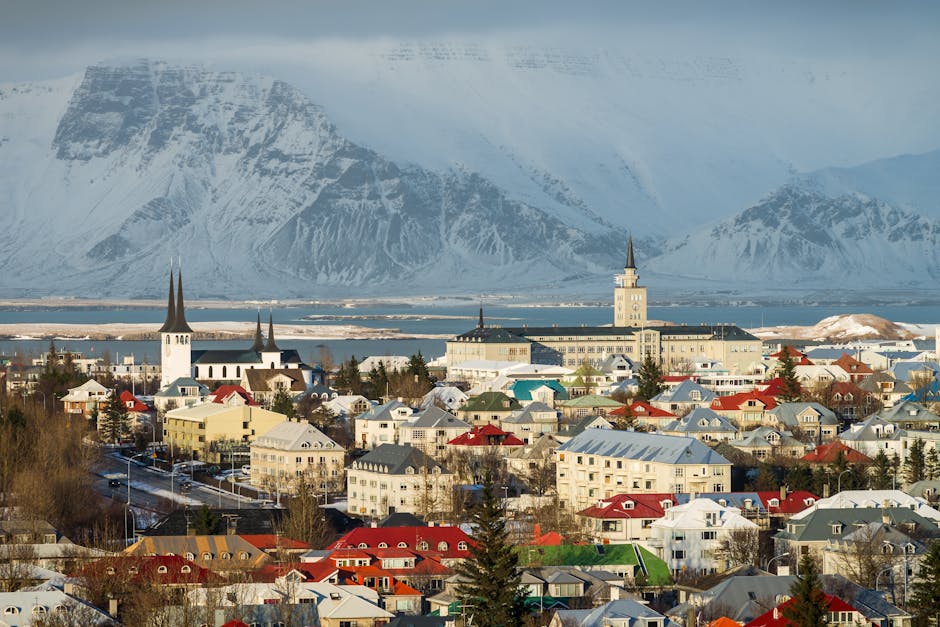
The capital, Reykjavík, concentrates a large share of Iceland’s tourist activity, especially in summer. Urban sites like Hallgrímskirkja, Harpa, Perlan and the old harbor promenade are frequently crowded between 10:00 and 16:00 from June to August. For a calmer visit:
- Hallgrímskirkja (Hallgrímstorg 1, 101 Reykjavík) — Iconic church with panoramic tower views. Tower entry: about €10 per adult. Hours: 09:00–17:00 (Apr–Sep), 10:00–16:00 (Oct–Mar). Tip: arrive before 09:00 or after 17:00 to avoid organized groups. Early summer mornings around 08:00 cast soft light on the façade.
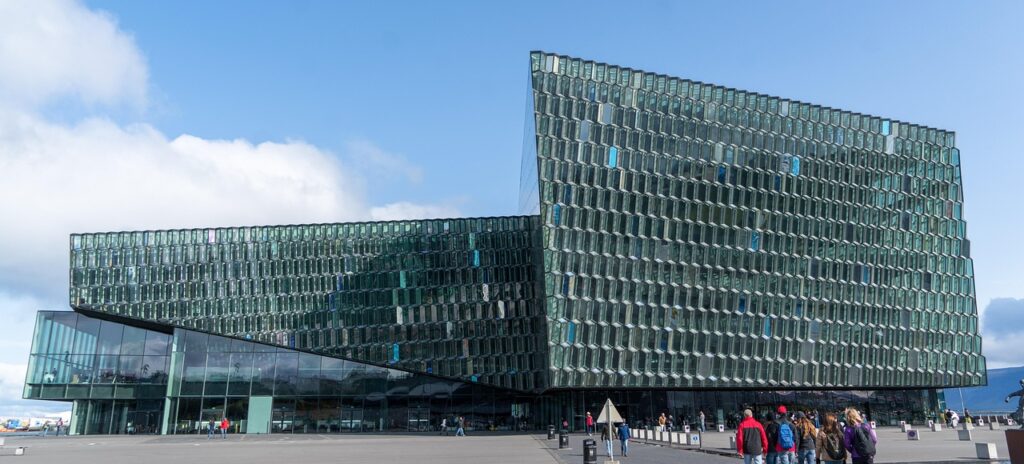
- Harpa Concert Hall (Austurbakki 2, 101 Reykjavík) — Free access to the building; guided tours and concerts are paid. Tickets for a small concert or tour: around €12–25. Box office hours: 09:00–20:00. Avoid 12:00–15:00 when day cruises return and dump groups ashore.
- Perlan — Wonders of Iceland (Öskjuhlíð 3-5, 105 Reykjavík) — Museum and viewpoint; adult entry about €29. Hours: 10:00–18:00 (summer season). Book online to skip queues and aim for morning or late-afternoon slots.
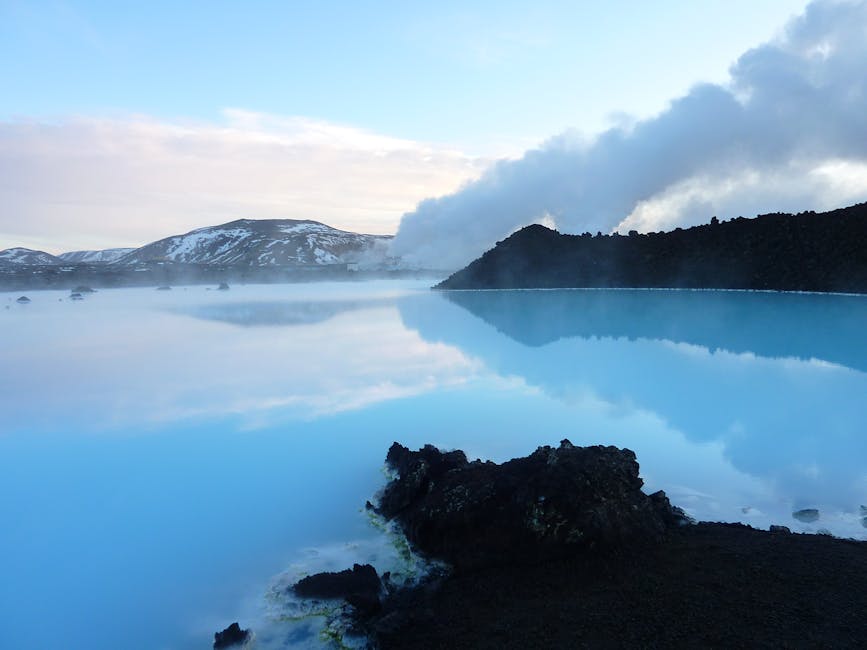
On the Reykjanes Peninsula — home to the international airport and the famous Blue Lagoon — traffic concentrates around flight connection times. The Blue Lagoon is a major crowd magnet:
- Blue Lagoon (Nordurljosavegur 9, 240 Grindavík) — Very popular geothermal baths. Prices: Comfort package from about €69, Premium package from about €129 (seasonal rates vary). Hours: 07:00–23:00 or later depending on season; certain late-night slots are highly sought after. Tip: book an early-morning slot (07:00–09:00) or a late-evening slot (20:00–22:00) for fewer people; avoid 11:00–16:00, especially during flight arrival/departure peaks.
Local tips: in Reykjavík, favor neighborhood cafés on side streets (for example, Bravó on Skólavörðustígur) before tackling major sites; in Reykjanes follow the signs for the official Blue Lagoon car park and avoid illegal parking, which is often fined. In summer, traffic between Keflavík International Airport and Reykjavík is heavy from about 10:00 to 18:00 — build in extra time if you need to drop a rental car or catch a shuttle.
The Golden Circle (Þingvellir, Geysir, Gullfoss): how to avoid the coach tide
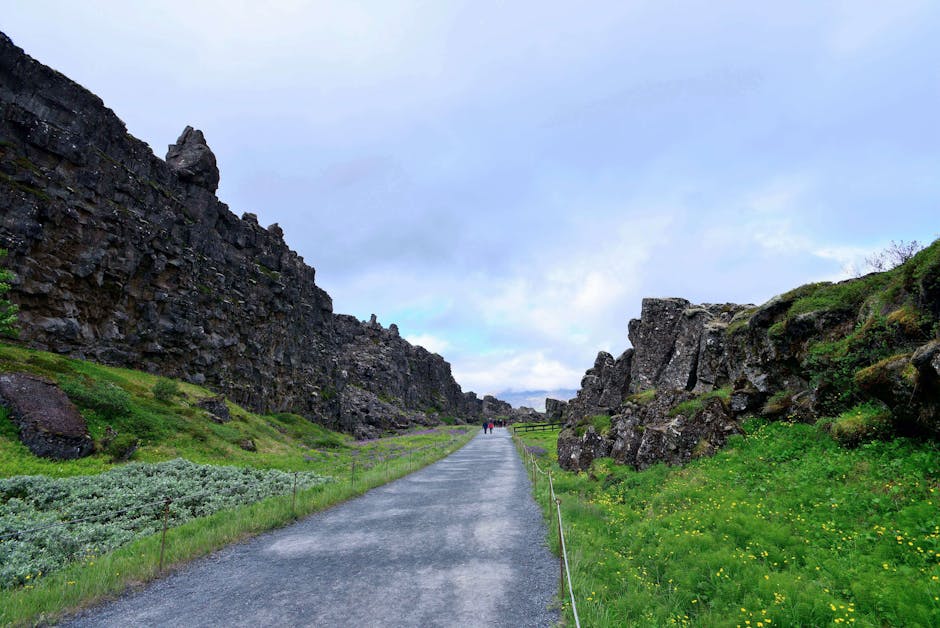
The Golden Circle groups three of Iceland’s most visited natural and historic sites and attracts countless day tours from Reykjavík. To enjoy these places with fewer people, anticipate coach schedules and consider alternatives.
Þingvellir National Park (Þingvellir, 806 Selfoss — Þingvellir National Park Visitor Centre) — UNESCO World Heritage site, historic assembly place and tectonic rift zone. Park entry: free; parking/visitor center access may be charged seasonally (~€3–5 for parking). Visitor Centre hours: 09:00–18:00 (summer), 10:00–16:00 (winter). Tip: arrive at opening (around 09:00) to enjoy the Almannagjá trails before coaches arrive; late afternoon (16:00–18:00) also avoids most buses. Trails along the rift and viewpoints are busiest between 11:00 and 15:00.
Geysir Geothermal Area (Haukadalur, 806 Geysir) — Geothermal field with Strokkur (regular spouting geyser). Access: free. Hours: open 24/7; tourist facilities (cafés, shops) open roughly 08:00–18:00 in summer. Tip: Strokkur erupts every 5–10 minutes; for better photos, find a higher vantage point and wait for a string of three eruptions. Avoid 12:00–15:00 when coaches stop for lunch breaks.
Gullfoss (Gullfoss, 846 Bláskógabyggð) — Powerful waterfall with viewing paths. Access: free. Hours: access road open year-round; car parks monitored in summer (sometimes charged around €3–6). Tip: head down to the lower bridge early in the morning to capture mist and rainbows; avoid midday when group tours crowd the upper walkway and spoil photo opportunities.
Alternatives and variations: if you want more solitude, consider doing the Golden Circle in reverse from Selfoss and add less-visited nearby stops such as:
- Bruarfoss (Brúarhlöð area) — Small waterfall with striking blue water, less visited than Gullfoss. Access: trail from a nearby car park; parking is limited. Tip: avoid summer weekends; favor weekdays and early mornings.
- Kerið Crater (Kerid, 805 Selfoss) — Colorful volcanic crater. Entry: about €3–6. Hours: roughly 09:00–18:00. Often quieter in the morning.
Practical tip: book activities (super-jeep tours, guided excursions) in advance in high season; arrive early and combine a morning at Þingvellir with a late-morning stop at Geysir and Gullfoss in mid-afternoon to dodge most organized coach schedules.
South Coast and glacier lagoons: seasons to avoid and quieter alternatives
The south coast, from Seljalandsfoss to Jökulsárlón, is one of Iceland’s most spectacular — and most crowded — stretches. In summer, Seljalandsfoss and Skógafoss car parks fill early; access to Diamond Beach and Jökulsárlón can become congested. Here’s how to plan for a calmer, safer experience.
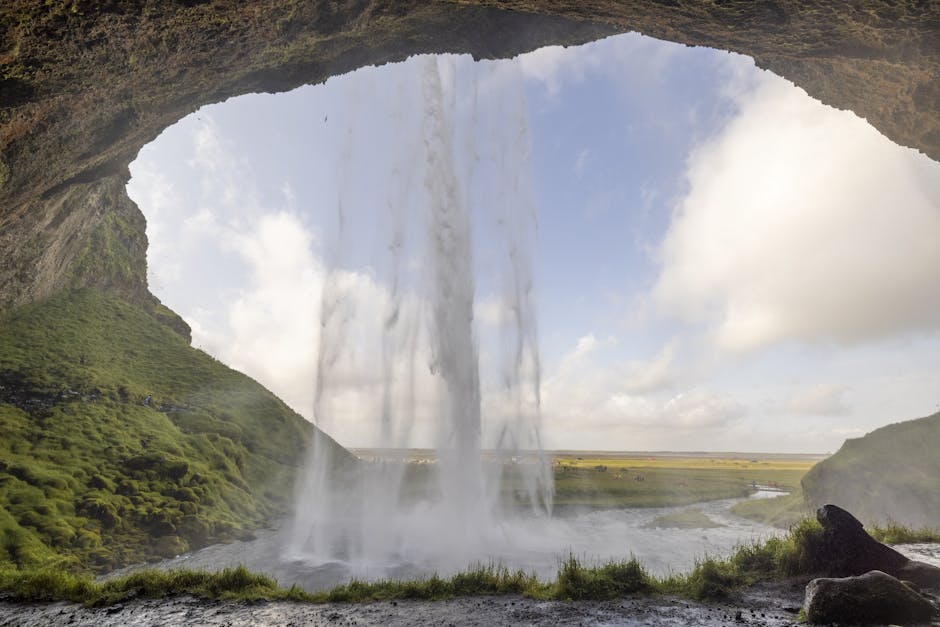
Seljalandsfoss (Seljalandsfoss, 861 Hvolsvöllur) — Waterfall you can walk behind via a path behind the curtain of water. Access: free; parking: roughly €3–5 in high season. Hours: open 24/7 but facilities (toilets, shop) are typically 08:00–20:00 in summer. Tip: arrive just after sunrise or late in the evening for fewer people; pack waterproof clothing for the intense spray behind the falls.
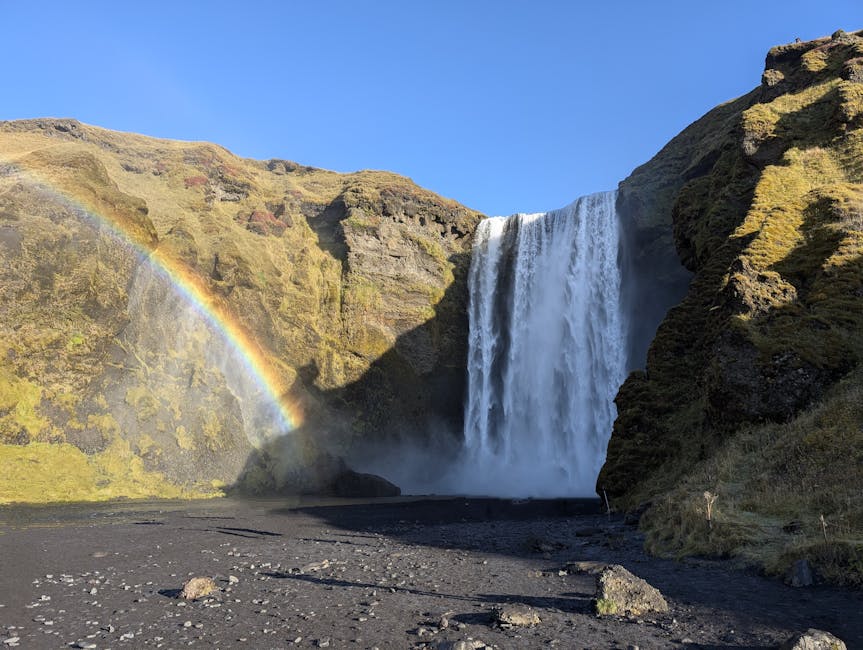
Skógafoss (Skógar, 861 Hvolsvöllur) — Wide, powerful waterfall. Access: free; paid parking possible (~€3–5). Hours: open 24/7; local museum/shop (Skógar Museum, Skógar, 861) usually 10:00–18:00. Tip: climb the coastal staircase early to avoid lines; morning light often creates a rainbow in the mist.
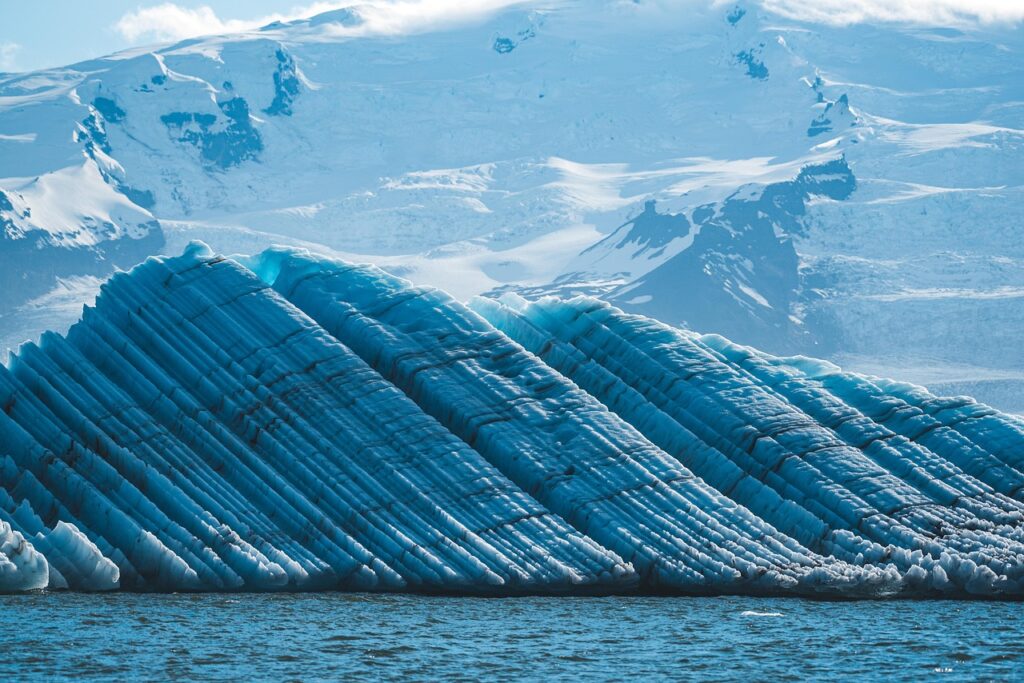
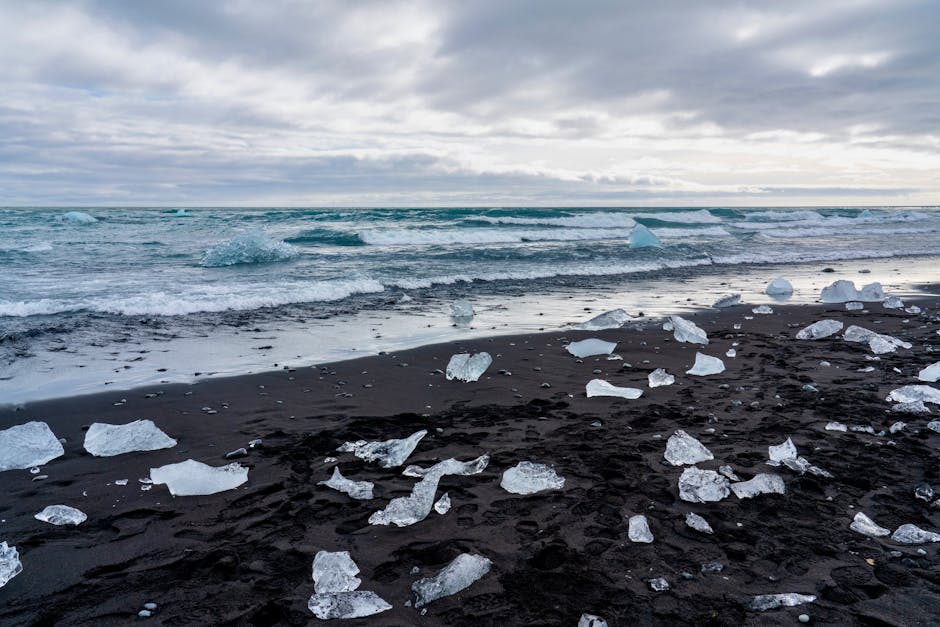
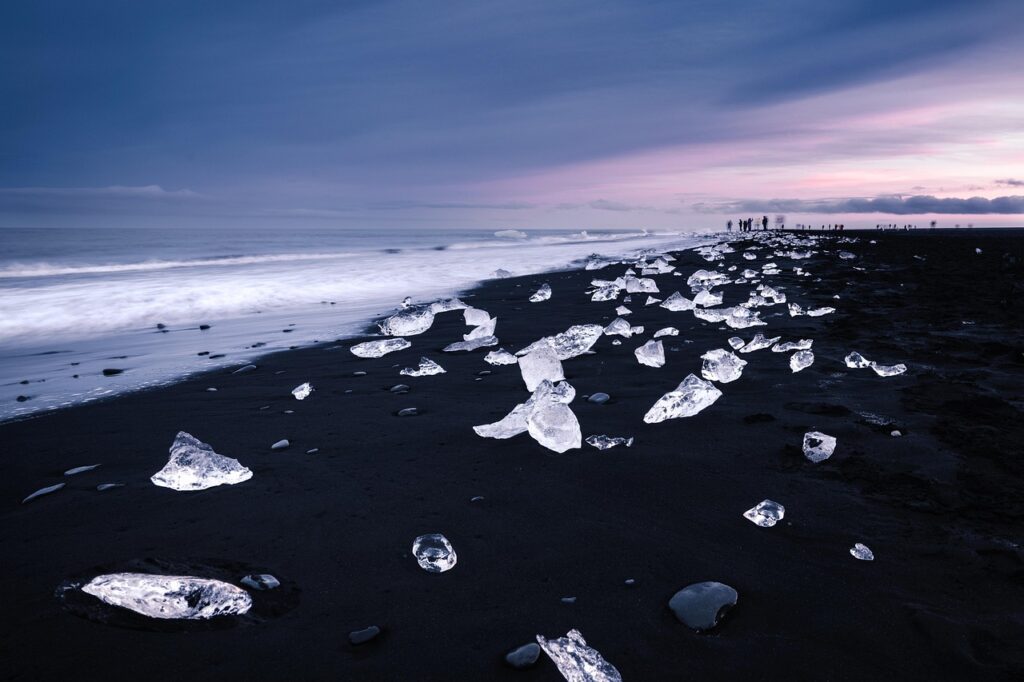
Jökulsárlón Glacier Lagoon (Jökulsárlón, 781 Höfn í Hornafirði) — Spectacular glacial lagoon with amphibious boats and zodiac trips. Address: Jökulsárlón, 781. Fees: parking is free; zodiac tours about €60–90 per person; amphibian boat tours about €45–70. Excursion hours vary by season, typically around 09:00–17:00. Tip: book a zodiac trip early or late in the day for a calmer atmosphere and side-lighting; Diamond Beach (Breiðamerkursandur, 781 Höfn) faces heavy crowds between 11:00 and 15:00 when scheduled coach stops occur.
Less-crowded alternatives:
- Skaftafell (Skaftafell Visitor Centre, Öræfi/Skaftafell, 785) — Part of Vatnajökull National Park offering varied hikes (Svartifoss trail). Park entry: free; parking/visitor centre: about €3–7 depending on season. Visitor centre hours: 09:00–18:00 (summer). Recommendation: set off early for the Svartifoss hike (basalt column waterfall) to beat the post-morning crowds.
- Fjallsárlón (Fjallsárlón Glacier Lagoon, 781 Höfn) — Nearby lagoon, less visited than Jökulsárlón. Zodiac trips are available with similar prices but generally fewer people.
Driving tips: in winter the Ring Road (Route 1) can be closed in places; check road.is and safetravel.is before you set out. In summer, avoid the 10:00–16:00 window at major car parks to reduce stress and find clearer photo spots.
The seasons and how they change the experience: summer, winter and shoulder seasons
Each season in Iceland offers a radically different experience, both in atmosphere and site accessibility. Knowing these differences is key to avoiding crowds at the wrong times and getting the seasonal highlights you want.
Summer (June–August): this is high season. Days are long — midnight sun in the north — and access to F-roads (interior highland tracks) is usually open. Downside: tour buses swarm popular spots, car parks fill early and accommodation in small towns books months ahead. Tip: avoid peak crowds by visiting at sunrise (between 03:00 and 06:00 in June–July for northern and southern sites) or late evening; favor secondary roads and lesser-known hikes.
Winter (November–March): Iceland quiets down and many sites see fewer visitors. Pros: snowy landscapes, northern lights and a real sense of open space. Cons: long nights, unpredictable weather, road closures and reduced services. Many winter-only tours (ice caves, snowmobile trips) run but often require advance booking. Tip: visit Gullfoss, Geysir and the south coast in the middle of the day when light is best and groups are thinner.
Shoulder seasons (April–May, September–October): often the best time to avoid the crowds. Weather can be changeable, but you’ll usually enjoy fewer people, lower accommodation rates and a good balance between site access and tranquility. Autumn colors (Sept–Oct) add warm tones to the landscapes, while spring (Apr–May) brings melting ice and fuller waterfalls.
Seasonal practical tips:
- Always check opening hours for sites and museums (many adjust times by season).
- Book popular activities (Blue Lagoon, Jökulsárlón zodiac, ice cave tours) several weeks in advance during high season.
- Pack appropriately for the season: waterproof shoes, breathable layers, crampons in winter and sun protection in summer.
- For photographers, the quietest windows are sunrise and sunset — or late-night slots in summer to avoid daytime crowds.
Safety, protecting the environment and local tips for responsible visiting
Dodging crowds isn’t just about comfort — it’s also about protecting Iceland’s landscapes. Soft soils and arctic vegetation wear down quickly underfoot; parking off official areas disrupts ecosystems and is usually prohibited. Here are local rules and tips to follow:
- Stick to trails — Stay on marked paths and boardwalks. At Þingvellir, for example, leaving the trail can damage vegetation that takes decades to recover. Respect signs and avoid fragile areas like peatlands.
- Parking — Use official car parks. Many municipalities now charge for parking and issue fines for illegal parking. At the Blue Lagoon and major waterfalls follow signage and don’t block access roads.
- Fires and waste — Lighting fires outside authorized areas is strictly forbidden. Always pack out your rubbish; bins can be scarce in rural areas.
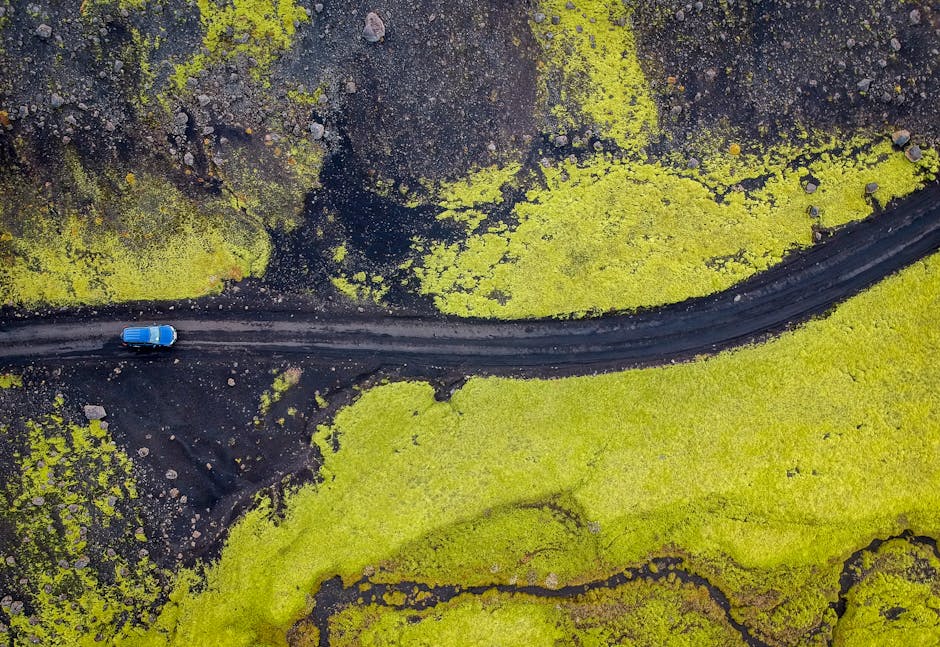
- Road safety — Secondary roads can be narrow and unpaved. In winter expect ice; in summer expect slow driving behind coaches. Rent the right vehicle (4×4 for F-roads) and make sure you have adequate insurance. Check road.is for current conditions.
Additional local tips:
- Ask your hosts or visitor centre staff for the least busy times to visit the specific site you plan to see. Locals often know ideal time windows and alternative paths.
- If you want photos without people, plan to arrive very early (before 08:00) or shoot in the evening (after 20:00) outside the high season.
- Consider specialist guided tours (small groups) instead of giant coach tours: they’re often pricier but provide a far more intimate and respectful experience.
Conclusion — Smart planning for richer, more sustainable experiences
Traveling in Iceland requires preparation beyond hotel bookings and ticking off the must-sees. Knowing which seasons and hours to avoid can turn a frustrating visit into a moving, contemplative experience. By choosing early or late slots, favoring shoulder seasons and exploring lesser-known alternatives, you’ll cut down on crowd stress and help preserve the sites. Practical details — exact addresses, typical hours, indicative prices in euros — make it easier to build a realistic, efficient itinerary.
Remember that popularity often equals vulnerability: staying on paths, using official car parks and following signage aren’t just good manners, they’re essential for the island’s long-term protection. Book in advance for highly demanded activities (Blue Lagoon, Jökulsárlón zodiac, ice caves), choose off-peak times for major sites and don’t hesitate to seek out lesser-known gems that often deliver just as much wonder with far fewer people.
Finally, adapt your route to the weather and local advice — often the best indicators to avoid surprises. Whether you’re chasing northern lights in winter, dramatic cliffs and black beaches in summer, or the quiet of the shoulder seasons, Iceland rewards the prepared and respectful traveler. Follow this guide’s tips and you’ll greatly increase your chances of seeing Iceland at its best, with lasting memories and a minimal footprint on these precious landscapes.