





Introduction : Photographie du Cercle d’Or — pourquoi ce circuit est un must pour les photographes
The Golden Circle is probably Iceland’s most iconic day route—a compact collection of jaw-dropping landscapes less than two hours’ drive from Reykjavik. For photographers, whether enthusiastic amateurs or seasoned pros, this natural triangle delivers insane variety: historic rivers, moss-covered lava fields, erupting geysers, thunderous waterfalls, colorful calderas and steaming geothermal areas. That mix means you can tackle multiple photographic styles in a single day — wide landscapes, textured details, long exposures, minimalist compositions, and even astrophotography or aurora work in season.
This guide is a practical, detail-oriented resource: not only an immersive description of each spot, but exact addresses, prices converted to euros, typical opening hours, technical shooting tips, and local recommendations to help you get the most out of your photo session depending on season and light. My approach is professional and actionable: I point out the best viewpoints, walking routes, ideal light windows, parking locations, rules to follow (drones, trails) and I include tips to handle Iceland’s famously fickle weather and limited daylight.
Get ready to capture epic panoramas at sunrise and sunset, surreal textures in steaming hot springs, and dynamic water movement in waterfalls. But remember: photographing the Golden Circle also requires logistics. Knowing visitor centre hours, entrance fees (where applicable), and nearby food and lodging options can turn an average day into an outstanding photographic outing. This guide covers the most photogenic stops on the Golden Circle: Þingvellir (Thingvellir) National Park, the Geysir and Strokkur geothermal area, Gullfoss waterfall, Kerið crater, plus a few useful side stops to round out your coverage.
For each location I’ll give local tips—where to position yourself to avoid crowds, how to protect gear from spray or steam, which focal lengths work best for each subject, and the times of day when the light is most flattering. I also cover seasonality: what to expect in summer (very long days, lush greens), winter (snow, ice, aurora opportunities), autumn (warm colors), and spring (high water flows and strong contrasts). Use this guide as a field plan to prepare lenses, filters and timing, and come away with images that really tell the story of the Golden Circle.
Þingvellir (Thingvellir) National Park — fissures, champs de lave et compositions géologiques
Address: Þingvellir National Park Visitor Centre, Þingvellir, 806 Selfoss, Iceland. Price: park entry is free; parking at the visitor centre costs around €5.00 (roughly 750 ISK); some lots are free depending on the season. Visitor Centre hours: typically 09:00–17:00 (seasonal variations, check before your visit).
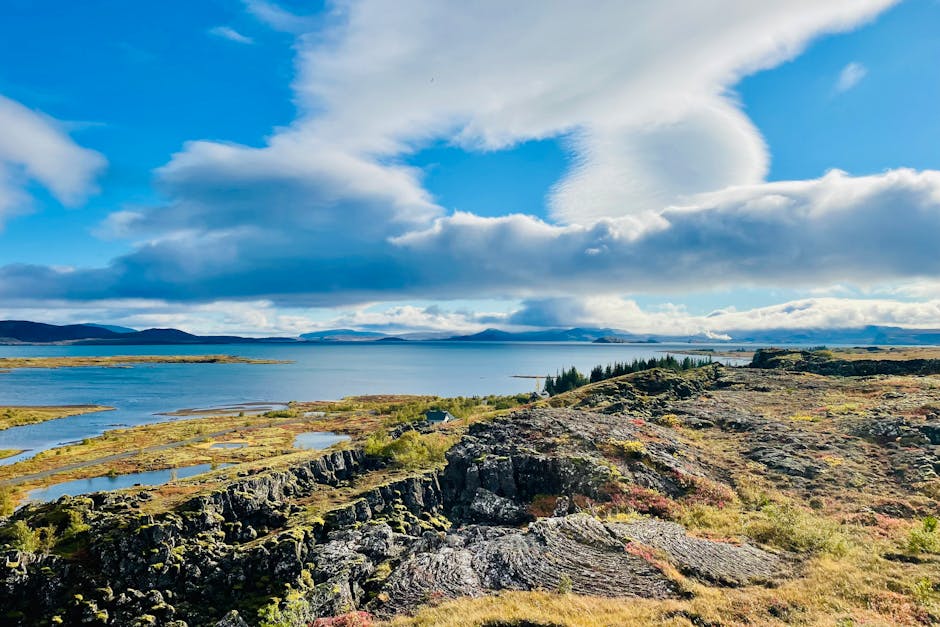
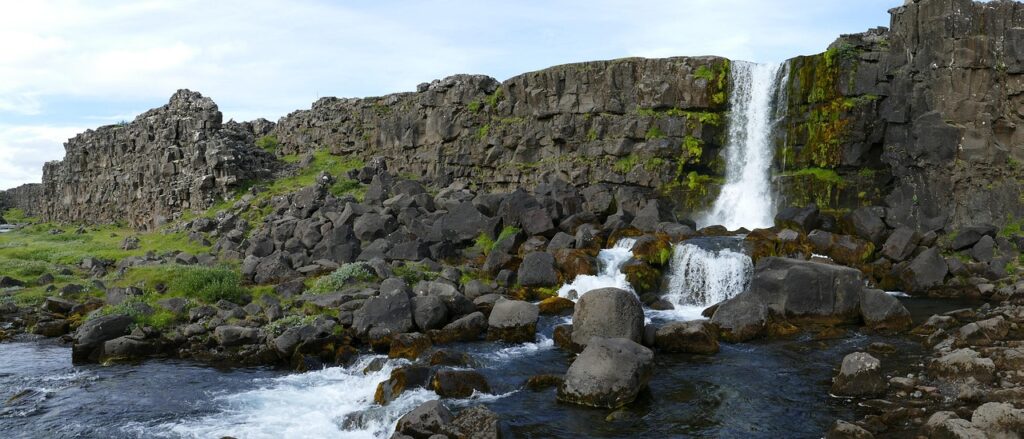
Þingvellir is a unique site where the Eurasian tectonic plate pulls away from the North American plate — resulting in a rift valley of fissures and faults that’s fantastic for geological compositions. Photography tip: favour the golden hours (sunrise and sunset) to get long shadows that emphasize the terrain. Moss-covered lava fields provide great textures both for close-ups and wide-angle shots. Must-shoot locations include the Almannagjá gorge, Þingvallavatn lake and the Öxarárfoss waterfall.
Technical tips: for panoramas use a wide-angle (14–24mm) on a tripod; for moss and rock textures 35–85mm lenses work well. A polarizer greatly improves wet surfaces and sky rendition; a graduated ND helps balance sky and land exposures at sunset. In winter, bring lightweight crampons — trails can be icy.
Recommended viewpoints:
- Almannagjá Gorge: walk along the chasm for several dramatic angles. The east-west faces glow at sunrise.
- Öxarárfoss (Öxará Waterfall): a modest but photogenic fall close to the main parking; great for long exposures (1–2 s at f/11, ND 6 stops if needed).
- Þingvallavatn shoreline: take in reflections from the shore on calm mornings, especially in low wind.
Rules and logistics: stick to marked trails — moss takes decades to recover. Drones are restricted; obtain local permission if you plan to fly over the park. In high season (June–August) arrive before 08:00 to beat the tour buses; in winter aim for mid-day for softer light and safer trail access.
Geysir et Strokkur — l’aire géothermale et l’instant de l’éruption
Address: Geysir Geothermal Area, Haukadalur valley, Haukadalur, 806 Geysir, Iceland. Price: free access (no entrance fee); parking around €4.00 (roughly 600 ISK). Hours: area accessible 24/7; shops and facilities typically open 09:00–18:00 in high season.
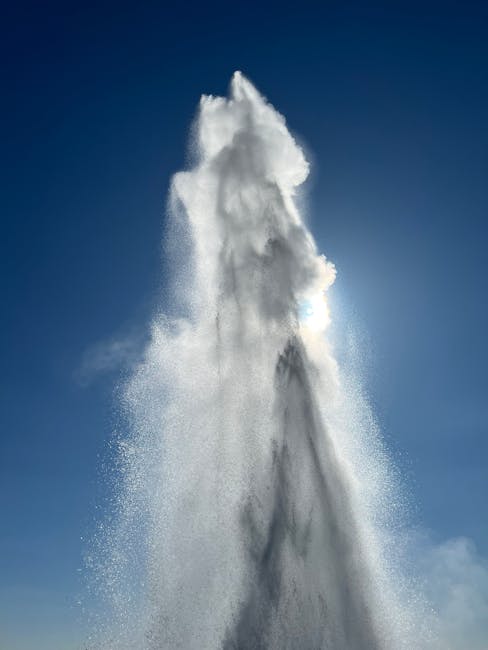
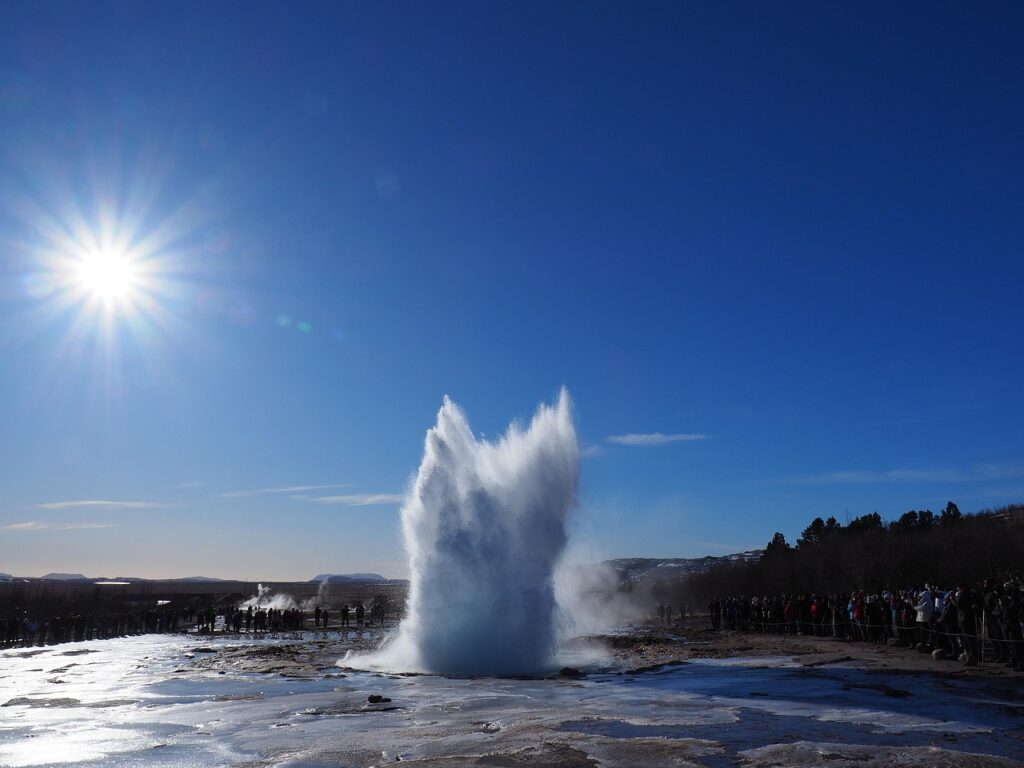
The Geysir geothermal area (Haukadalur) is full of steaming features and water jets. While the historic Geysir is now mostly dormant, Strokkur erupts reliably every 5–10 minutes from just 20–30 metres away, often reaching 15–30 metres high. That regularity is a gift for photographers: you can experiment with compositions, shutter speeds and focal lengths without hours of waiting. The contrast between clear blue water, white steam and ochre earth makes for graphic, high-impact images.
Composition tips: stand a little back to capture the full column and aim for a contrasting background (dramatic sky or dark hills). Use fast shutter speeds (1/1000–1/2000 s) to freeze droplets, or medium speeds (1/125–1/250 s) to suggest motion. A 70–200mm telephoto helps isolate the jet form, while a wide-angle includes steam, visitors and context.
Practical tips: steam and spray can wet your front filter — keep a microfiber cloth and a rain cover handy. Protect gear from sulfur and acidic steam by avoiding prolonged exposure close to vents. Don’t plant tripods on fragile ground around the geysers; stay on boardwalks and marked areas.
Local tips: for more intimate shots visit in the late afternoon outside peak tourist months (May, September) when the light is warmer and buses are fewer. If you shoot at sunrise, morning mist can create beautiful halos around the jets.
Gullfoss — la cascade puissante et les jeux d’eau
Address: Gullfoss Waterfall, Gullfoss, 846 Bláskógabyggð, Iceland. Price: access to the falls is free; main parking costs around €4.00 (roughly 600 ISK). Hours: site accessible 24/7; visitor centre and shop usually open 09:00–18:00 in high season.
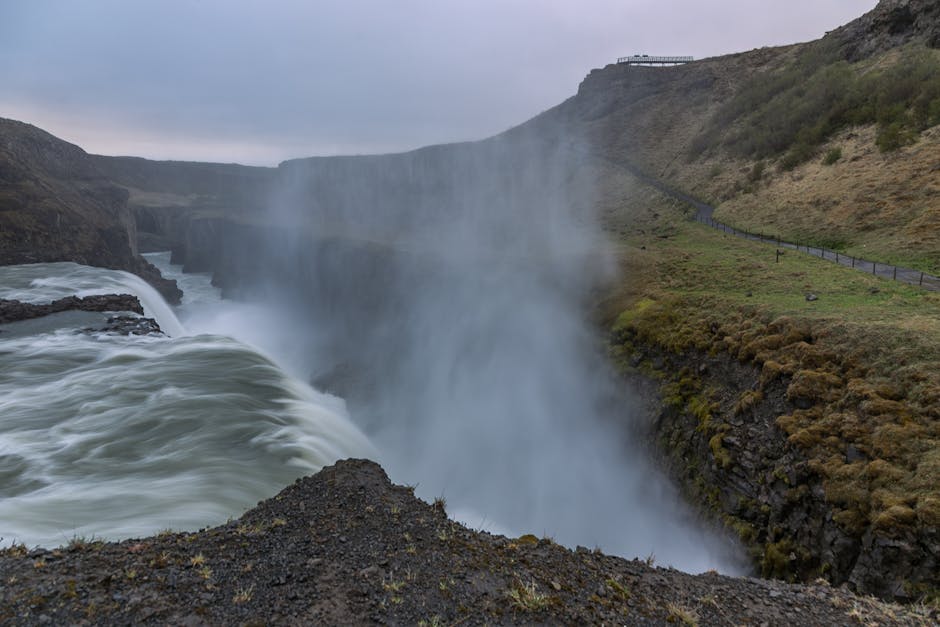
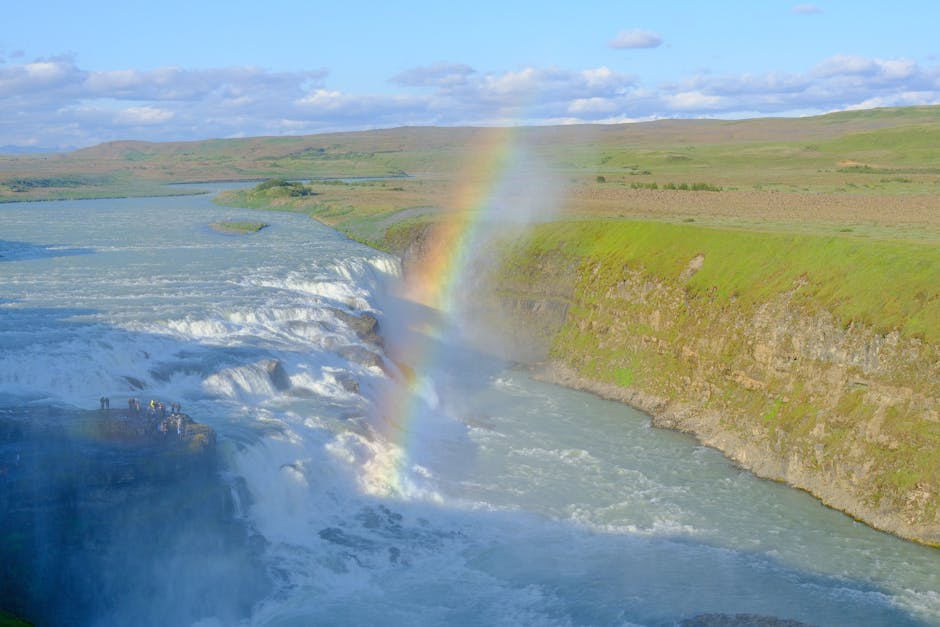
Gullfoss (the « Golden Falls ») is often the crown jewel of Golden Circle photo reports. The two-tiered waterfall drops with controlled ferocity into a narrow canyon, creating huge spray and frequent rainbows in good light. Photographic options include wide shots of the gorge, tight frames on whirlpools, and long exposures that turn the water into silk. Viewing platforms provide varied angles—the upper rim for panoramas and lower points to feel the raw power.
Technical tips: bring a sturdy tripod and waterproof protection. Long exposures (1/2–2 s) work well when the wind is light; push to 5–10 s for a smoother veil but watch out for spray on your filter. ND 6–10 stops are useful for daytime long exposures. Focal ranges 24–70mm are versatile; an ultra-wide (16–24mm) exaggerates depth and motion.
Best light: afternoon side-lighting enhances contrast and often reveals rainbows. In winter the low sun paints warm tones on ice formations; however, approach paths can be slippery so bring crampon-capable boots.
Logistics and safety: obey barriers and don’t try to descend into the canyon. Site staff and guides monitor the area. For sunrise shots without people, arrive 45–60 minutes before dawn to set up. In strong winds secure your gear and weight down your tripod.
Kerið (Kerid) Crater et arrêts secondaires — couleurs, reflets et compositions de cratère
Address: Kerið Crater, Kerid, 806 Selfoss, Iceland. Price: entrance fee around €3.00 (about 400 ISK) per person. Hours: typically 09:00–18:00 (seasonal variations).
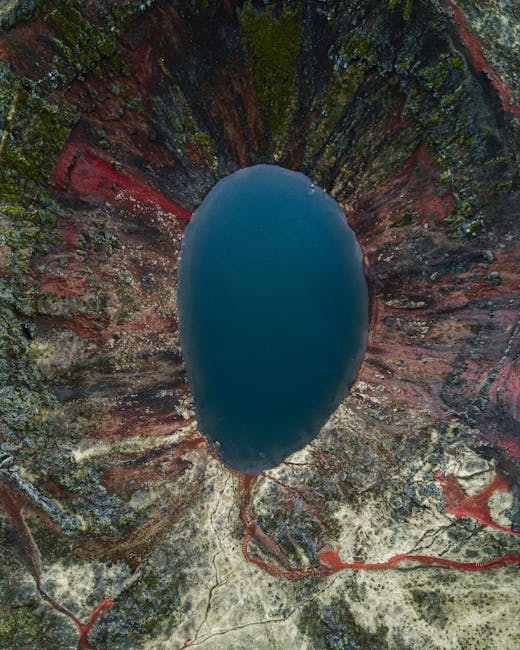
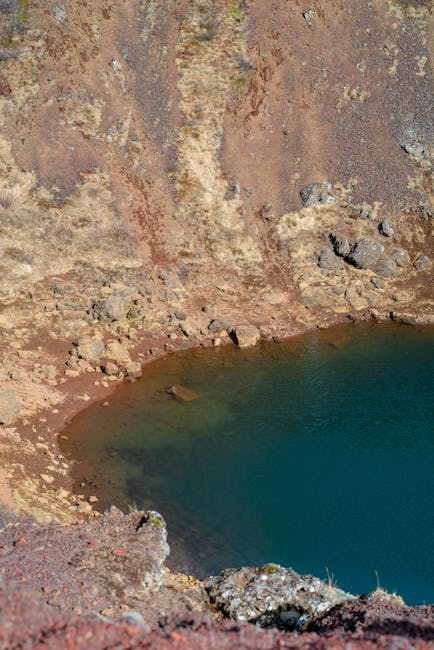
Kerið is a relatively young volcanic caldera (about 3,000 years old) with striking red/orange slopes and an emerald lake at the bottom. The color contrast is spectacular in sunlight, but the site also photographs beautifully under overcast skies for richer saturation and moodier atmosphere. A path skirts the rim and drops down to the lake’s edge; various viewpoints let you alternate centered circular compositions with oblique frames highlighting rim texture.
Photography tips: a wide-angle between 16–35mm will capture the full crater, while medium focal lengths (50–85mm) help isolate rim layers and rock overlays. Reflections on the lake are subtle—wait for calm wind to catch a mirror surface; a light breeze adds painterly texture. Try exposure bracketing to capture the dynamic range between bright rim and darker water.
Side stops to consider on the Golden Circle route:
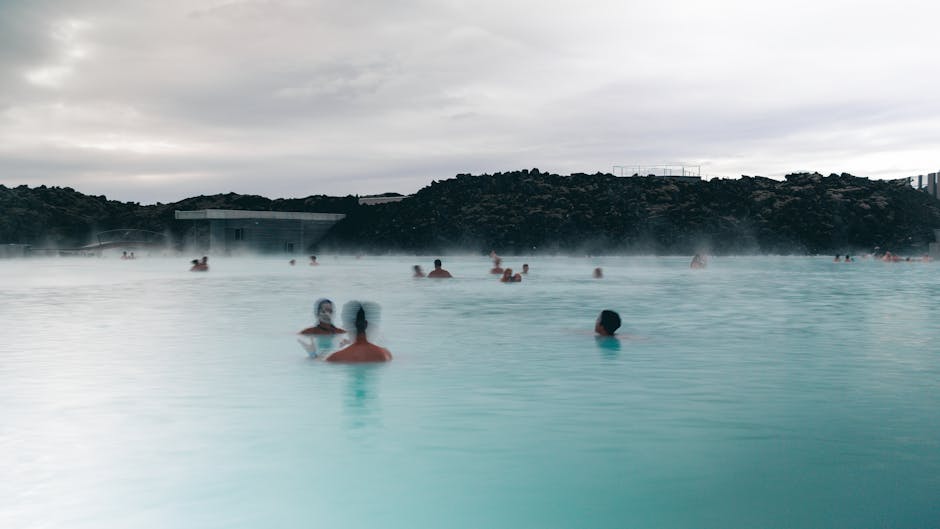
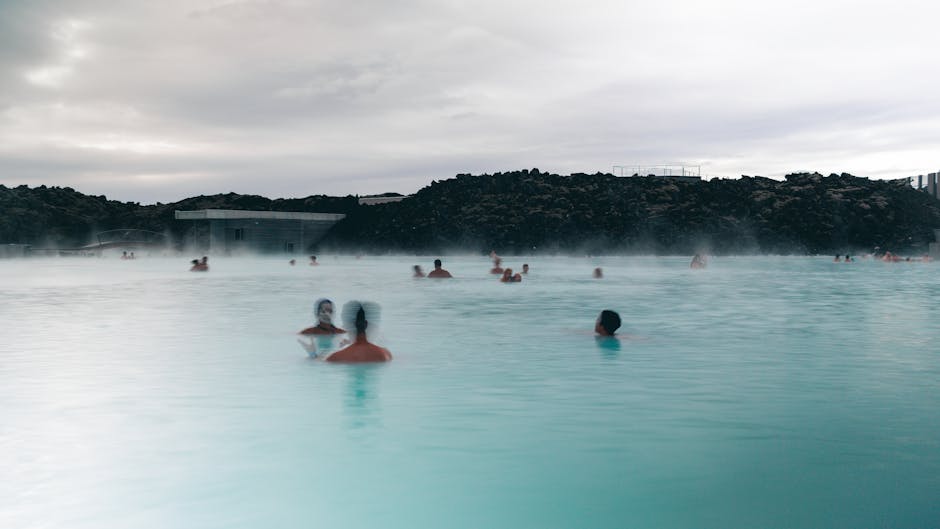
- Secret Lagoon (Gamla Laugin) — Address: Hvammsvegur, 846 Flúdir, Iceland. Price: around €25.00 per person (season-dependent). Hours: 11:00–22:00. A classic geothermal pool for relaxing and photographing steam at sunset.
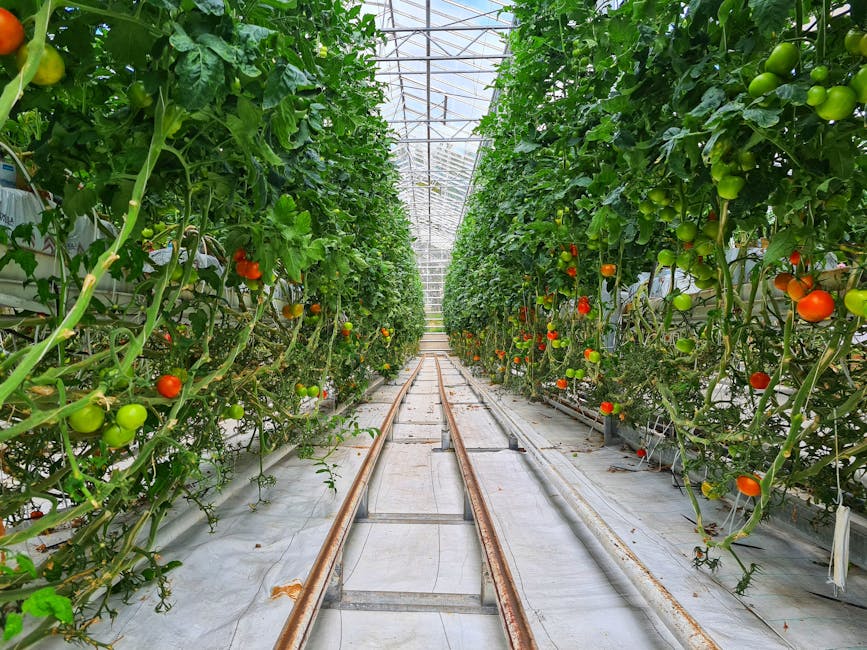
- Friðheimar Tomato Farm & Restaurant — Address: Friðheimar Tomato Farm, Reykholt, 845 Bláskógabyggð, Iceland. Price: meals around €20–€35 per person. Hours: 10:00–18:00. A charming spot for bright greenhouse interiors and food photography focused on tomato-based dishes.
- Skálholt — Address: Skálholt, 801 Selfoss, Iceland. Price: free access; small donation possible for the cathedral. Hours: 10:00–17:00. Interesting for architectural details and historical composition shots.
Logistics: Kerið sits close to the main RWN1 route. Parking is small — arrive early if you want the crater to yourself. Don’t climb on the inner slope; use the designated path only.
Meilleures saisons, météo et conseils pratiques pour la photographie du Cercle d’Or
The Golden Circle is visitable year-round, but each season brings very different photographic opportunities. Understanding weather patterns, daylight hours and tourist dynamics will help you plan successful shoots.
Spring (April–May): snow melts, rivers swell and vegetation begins to green. Light is soft and changeable weather often produces dramatic skies. Photo advantages: fewer visitors than summer and higher water flows for more impressive waterfalls. Bring waterproof jackets and kit protection.
Summer (June–August): extremely long days — around the solstice the sun barely sets. Great for late-night shooting or extended sunset sessions. It’s peak tourist season though: arrive before 06:00 or after 20:00 for quieter conditions. Technical advantage: low ISO and wide apertures possible. Drawback: harsh midday light—stick to sunrise/sunset.
Autumn (September–October): warm colors, golden light and earlier nights — a good window for aurora attempts when skies are clear. Crowds thin and temperatures remain manageable. Bring a tripod and a telephoto if you’re aiming for northern lights.
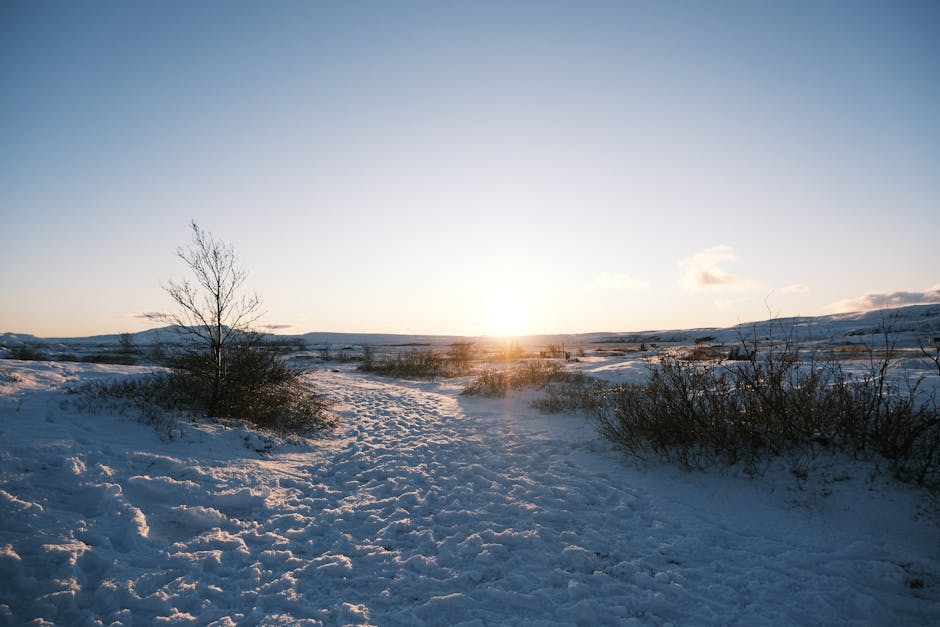
Winter (November–March): snowy landscapes, frozen waterfall formations, high contrast and real aurora potential. Days are short so plan timings precisely. Roads may close — check road.is and safetravel.is. Essentials: crampon-capable boots, warm layered clothing and spare batteries (cold reduces battery life).
Gear and general technique tips:
- Sturdy tripod and a waterproof camera bag to guard against wind and spray.
- Filters: polarizer for water and skies; variable ND for daytime long exposures; graduated ND to balance sky/ground.
- Extra batteries and anti-fog covers for lens/front element when temperatures change slowly.
- Recommended lenses: 16–35mm (wide landscapes), 24–70mm (all-rounder), 70–200mm (details and subject isolation).
Local tips to avoid crowds:
- Arrive 45–60 minutes before sunrise at Þingvellir, Gullfoss and Geysir.
- Visit Kerið and Friðheimar early morning or late afternoon to dodge school groups and tour buses.
- In winter, plan around road closures and snowy conditions; rent a 4×4 if you’ll be driving off the main roads.
Conclusion : préparer une séance photo mémorable sur le Cercle d’Or
Photographing the Golden Circle in Iceland requires as much logistical preparation as it does artistic intent. Knowing addresses, hours, fees and vantage points will materially improve your shots. Þingvellir, Geysir/Strokkur, Gullfoss and Kerið form the photographic core — each offers a distinct palette: geology, water motion, geothermal energy and volcanic color. Combine the right kit (tripod, filters, versatile lenses) with practical know-how (timing, parking, staying on marked trails) and you’ll maximise your chances of returning with strong and varied images.
Respect for the sites is crucial: stay on paths, protect fragile vegetation and follow local guidance. A changing sky can deliver fiery light or dramatic mist, so be flexible and patient for the decisive moment (eruption, shaft of light, perfect reflection). Vary your shots: a wide-angle panorama, a telephoto detail, a long exposure and a human-scale context frame. Those variations will add depth to your final series.
Final tip: if your schedule allows, plan multiple visits — a morning run and an afternoon/crepuscule session are often complementary. If you’re short on time, prioritise Þingvellir at sunrise and chain Gullfoss/Geysir in the afternoon to catch the best light. And above all, take time to enjoy the places: photography is a way to extend the experience, and the Golden Circle deserves to be savoured as much as it deserves to be photographed.