





Introduction — Fishing and smoking: Iceland’s relationship with the sea
Iceland is an archipelago shaped by waves, wind and volcanic fire. In this extreme landscape, the sea is more than scenery: it’s a source of life, identity and food culture. Coastal towns, from Reykjavík’s main harbor to the tiny isolated villages of the Westfjords, have lived for centuries to the rhythm of tides and fishing seasons. This guide delves into how Iceland prepares fish — from the catch to the smokehouse — and how visitors can experience these skills firsthand.
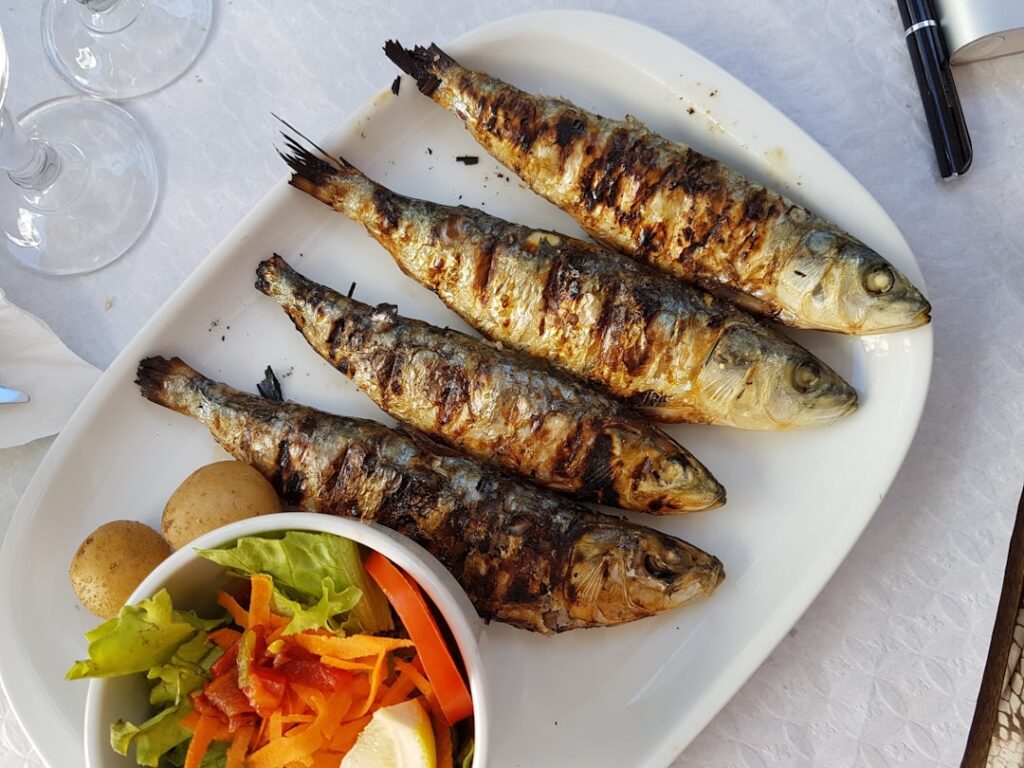
Fishing in Iceland is both commercial and artisanal. You’ll find large industrial fleets heading out for cod, haddock, mackerel and pollock, alongside smaller fishing boats that bring in catches for local markets and traditional smokehouses. It’s in these places that culinary techniques passed down through generations are preserved: salting, cold-air drying, fermentation and, above all, smoking — a method that adds depth, sweetness and preserves the catch.
This guide is made for the curious traveler: it gives concrete addresses, opening hours, price ranges in euros, evocative descriptions and local tips. You’ll learn where to watch the fishermen at work, where to taste a freshly smoked fillet and where to buy products to take home. We’ll visit market stalls, artisanal smokehouses and fine dining restaurants that reinvent Icelandic fish while honoring its roots. Practical details include exact addresses, typical hours and suggestions to make the most of your visit — whether you’re a food lover, a photographer or simply a traveler chasing authentic flavors.
In a country where seasons dictate abundance, it’s useful to know that peak fishing seasons vary by species: spring–summer for salmon and mackerel, autumn–winter for some bottom-dwelling species. Finally, we include safety and etiquette tips: respect market hours, dress warmly for sea outings and always ask before photographing fishermen at work.
Reykjavík: from dock to plate — must-see spots and top restaurants
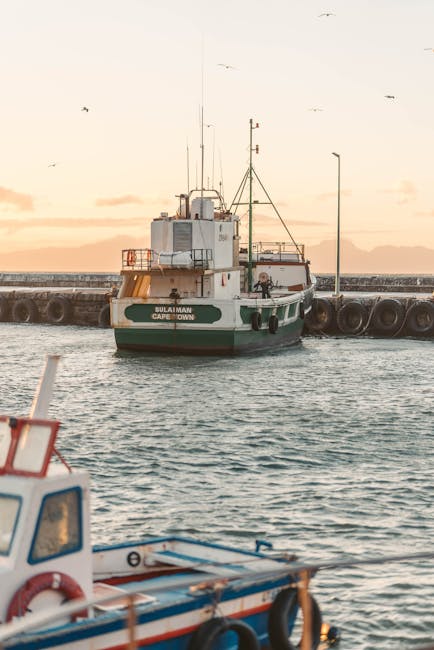
Reykjavík is the gateway for anyone wanting to understand Icelanders’ bond with the ocean. Start at the Old Harbour, Reykjavík Old Harbour, located at Grandagarður 2-4, 101 Reykjavík. The waterfront is lively year-round and offers direct views of fishing boats and warehouses converted into restaurants and galleries. Wear a windbreaker — it’s often blustery. For a tasty stop, head to Sægreifinn — The Sea Baron, at Geirsgata 8, 101 Reykjavík. This small family-run bistro is famous for its lobster soup and fish skewers. Hours: Monday–Sunday 11:00–22:00. Price guide: lobster soup ~€12, mixed skewer ~€18.
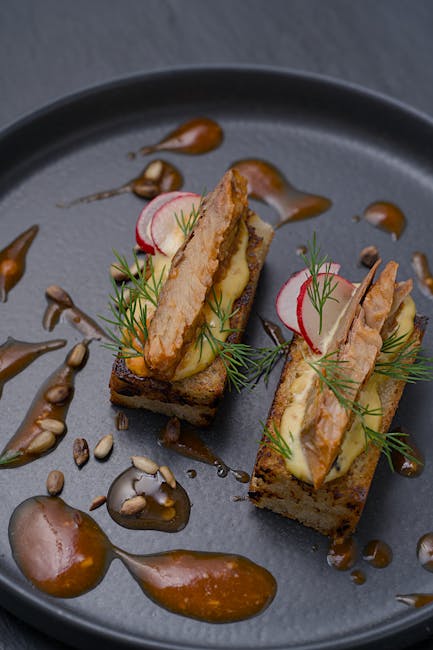
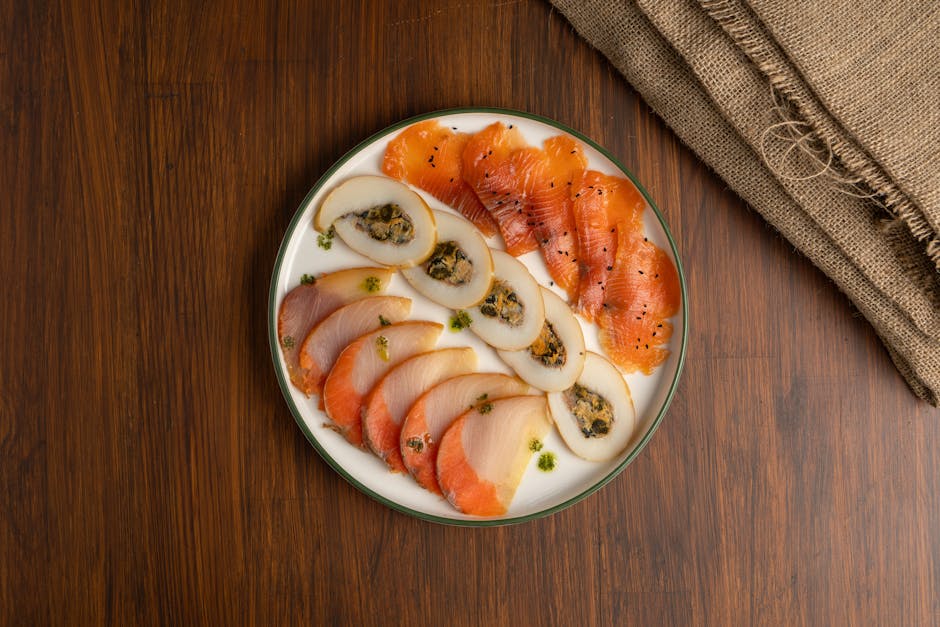
For a more refined experience, book a table at Fiskfélagið (Fish Company) at Vesturgata 2, 101 Reykjavík. Address: Vesturgata 2, 101 Reykjavík. Hours: Tuesday–Saturday 17:00–22:00 (closed Sunday and Monday). Prices: shared menus from €35 per person, main fish dishes €18–€45. The restaurant works with Icelandic fish and blends international influences — you’ll taste reimagined smoked fillets, rich sauces and seasonal vegetables.
If you’d rather buy fish to cook yourself, visit the flea market Kolaportið (Tryggvagata 19, 101 Reykjavík), open Friday–Sunday 10:00–18:00. You’ll find homemade smoked fish, salted fillets and tins of marinated herring. Average price: 100–2,000 ISK depending on the item (~€0.7–€14). Remember conversions fluctuate; prices here are approximate and rounded in euros to help with planning.
Traditional smokehouses: techniques, addresses and immersive experiences
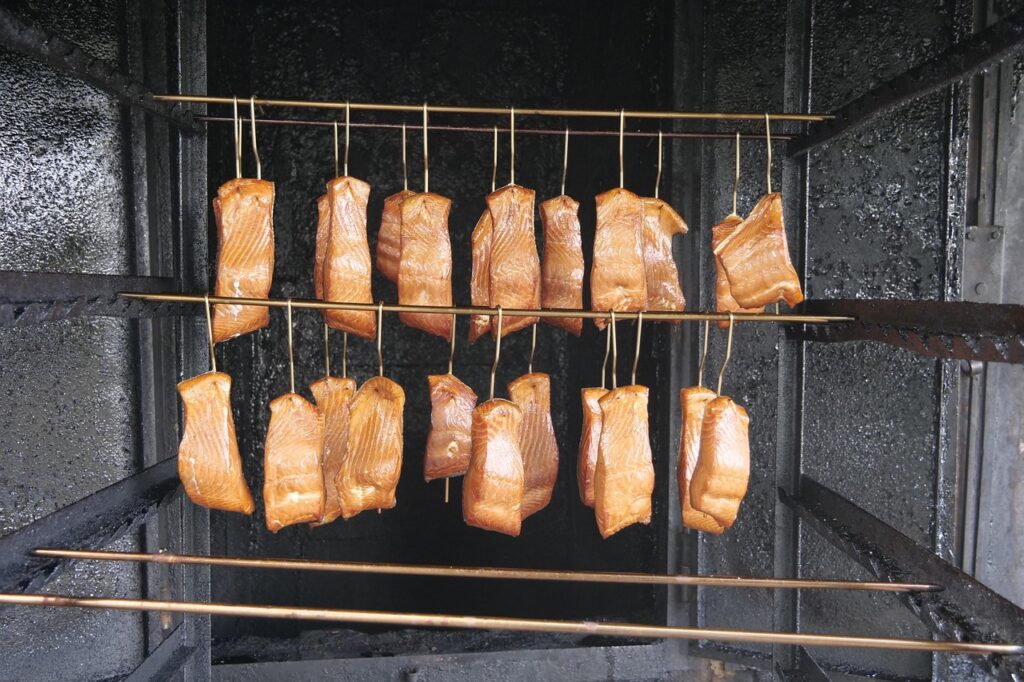
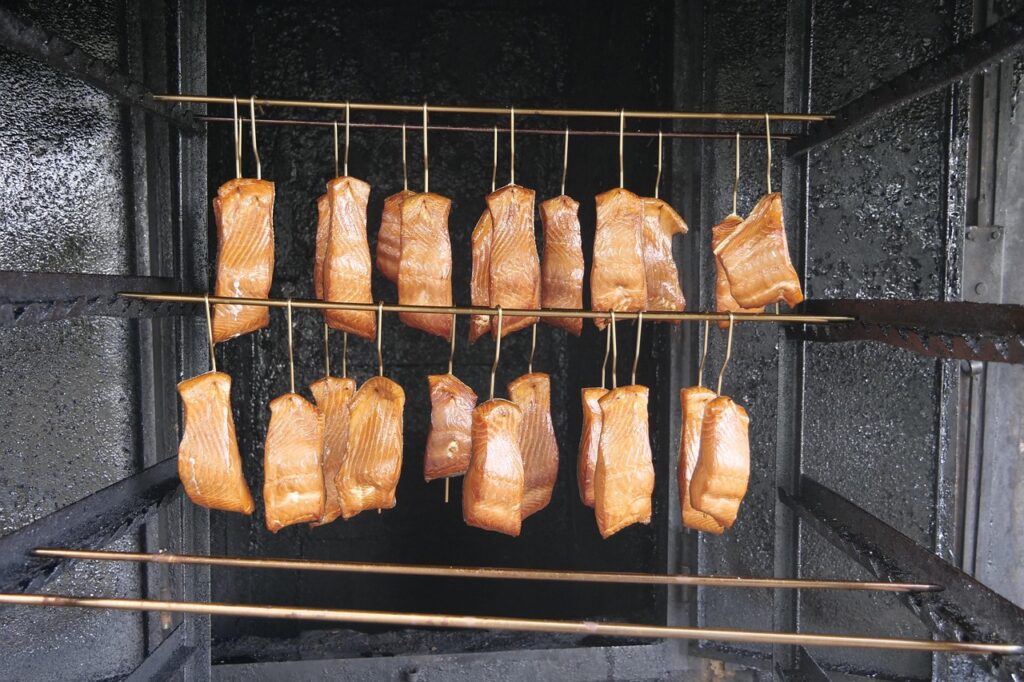
Icelandic smoking stands out for its use of local wood (often driftwood or imported chips), turf and sometimes seaweed to add a slightly mineral note. A must-stop to understand this process is the artisanal smokehouse Sláturfélagið Fiskur — Grandi Smokehouse, located at Grandagarður 7, 101 Reykjavík (Grandi Harbour area). Hours: guided tours by reservation Tuesday–Saturday, 09:00–16:00; shop open 10:00–17:00. Guided tour price: €25–€40 per person (includes tasting). Exact address: Grandagarður 7, 101 Reykjavík.
Further west, on the Snæfellsnes peninsula, the family-run smokehouse Hafnartorg Smoked Fish in Stykkishólmur offers workshops (Miðvangur 1, 340 Stykkishólmur). Hours: 09:00–18:00 in season (May–Sept), workshop by reservation. Workshop price: €45 per person (includes prep, smoking and tasting). Stykkishólmur is also a picturesque village for photographing wooden smokehouses along the harbor.
For a more rustic experience, head to the Westfjords village of Ísafjörður, home to the smokehouse Bræðraborgar Fiskur, Ísafjarðardjúp 2, 400 Ísafjörður. Shop open Monday–Friday 08:00–16:00. Prices: packets of smoked fish €8–€20. The surrounding landscape — sheer cliffs and deep fjords — adds an almost mythical feel to the tasting. Local guides explain how the cool climate and wind shape the quality of the smoke.
Sea trips and fish markets: how to join in and what to expect
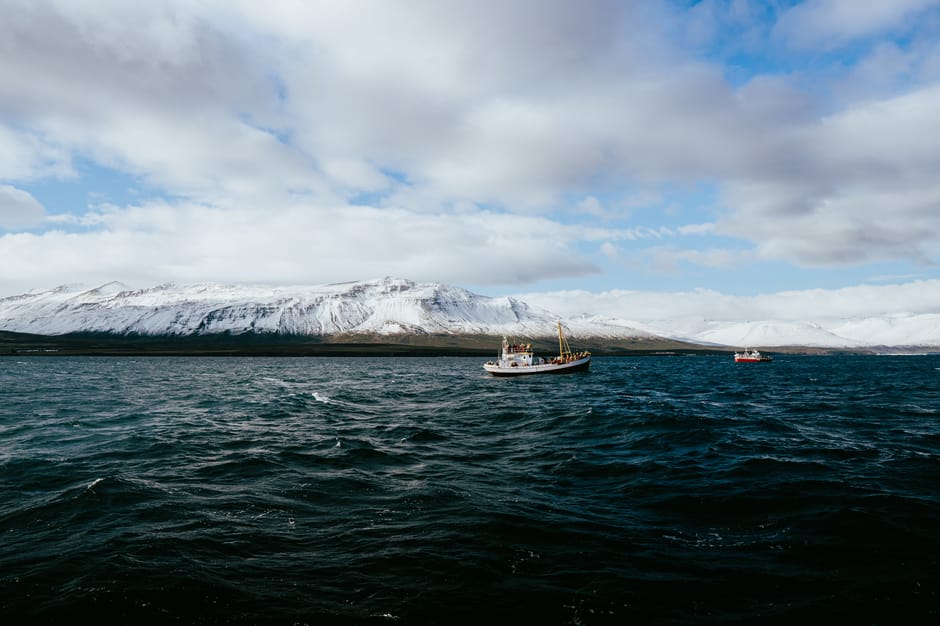
Joining a sea trip is the most direct way to understand Iceland’s fish chain. Several companies in Reykjavík offer coastal fishing tours and rod fishing experiences: Reykjavík Sea Adventures (Old Harbour, Grandagarður 2, 101 Reykjavík) offers a 4-hour fishing trip. Hours: trips at 08:00 and 13:00 depending on weather. Price: €65 per person (equipment included, drinks not included). Trips depart from the Old Harbour; dress in layers and wear non-slip shoes.
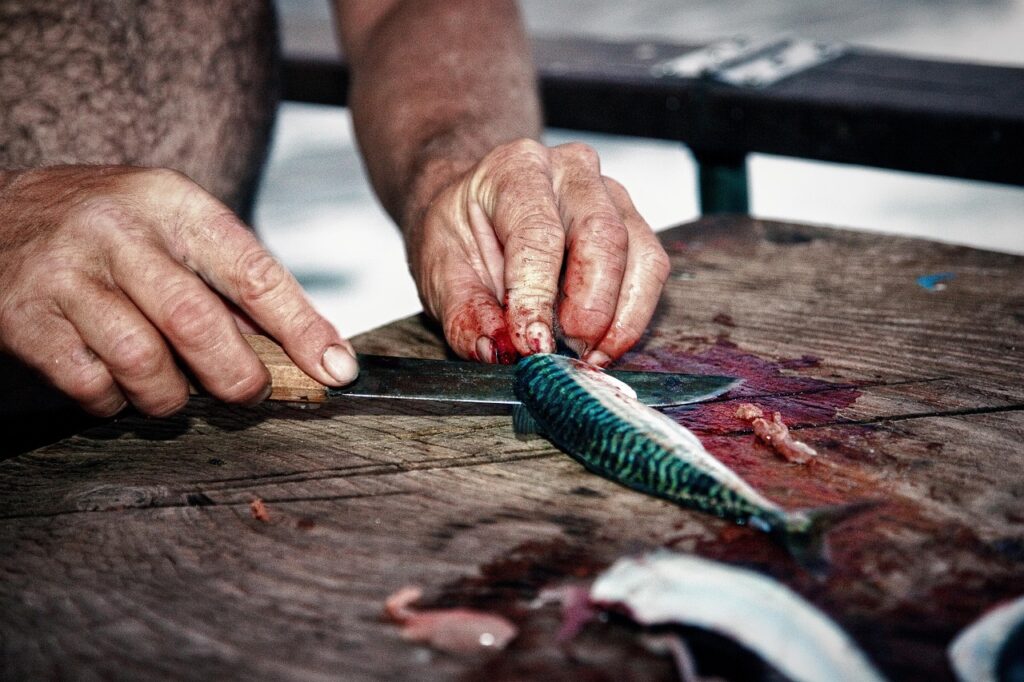
In Akureyri, the northern capital, Eyjafjordur Fishing Tours (Rósenberg 3, 600 Akureyri) runs trips for cod and salmon. Hours: summer trips 07:00–19:00, by reservation. Price: €70–€120 depending on duration and gear. After fishing, some operators offer cleaning and quick smoking — an authentic way to taste freshness straight away.
Local markets provide a direct link to fishermen. In Ísafjörður, the municipal market (Hafnarbraut 10, 400 Ísafjörður) often opens in the morning when boats return. Hours: 07:00–12:00 on weekdays. In Akureyri, the Christmas market (winter season) and the summer harbor market (Götuhús 6, 600 Akureyri) showcase smoked products. Buy fish in sealed bags for travel; smokehouses often offer vacuum-packed options for export.
Practical tips, etiquette and preservation: bringing fish home worry-free
Bringing smoked products from Iceland is a lovely idea, but it requires some planning. First, check your country’s customs rules regarding seafood. Generally, smoked products sold in shops and smokehouses are vacuum-packed — this makes transport easier. Shop prices vary: small packets of smoked fillets €8–€15, gift platters €25–€60 depending on selection.
On site, always ask about provenance and smoking method. Artisans are proud to explain their process: what wood was used, how many hours of smoking and whether a local salt was added. In Iceland, etiquette calls for not disturbing fishermen at work; if you want to photograph them, ask for permission and offer a smile or buy something in return.
For short-term storage, keep fish cold (0–4 °C). Vacuum-packed products can last several weeks depending on the label. If you’re flying, check with your airline about food items in luggage. Local tip: buy dense Icelandic rye bread (rúgbrauð) from a local bakery (for example, Brauð & Co., Frakkastígur 16, 101 Reykjavík — open 08:00–18:00) and pair it with smoked salmon for a traditional snack.
Conclusion — Between tradition and modernity: the Icelandic sea on your plate
Icelandic fish cuisine is a lesson in balance between heritage and innovation. Ancient techniques — smoking, salting and drying — coexist with contemporary culinary approaches. By visiting ports, smokehouses and restaurants like Sægreifinn (Geirsgata 8, 101 Reykjavík), Fiskfélagið (Vesturgata 2, 101 Reykjavík) or artisanal smokehouses in the Grandi Harbour (Grandagarður 7, 101 Reykjavík), you’ll better understand how Icelanders honor each catch, respect it and incorporate it into meals both simple and sophisticated.
This guide gathers addresses, hours and price cues in euros to help you plan: sea trips from around €65, smoking workshops around €45, and fish bowls or dishes from €12–€18 in local eateries. Keep in mind prices can change with season and exchange rates; check opening hours before you go, especially in winter when schedules are reduced.
Finally, the best way to appreciate Icelandic fish is to get hands-on: taste, talk to artisans, join a sea trip and bring home a pack of vacuum-packed smoked fillets. These simple gestures pay tribute to an island culture where the sea remains the greatest wealth. Safe travels, and may your tastings be unforgettable!