



Introduction — Reykjavík and beyond: experiencing Iceland without the clichés
Iceland is often boiled down to a handful of iconic images: spouting geysers, milky-blue lagoons, northern lights and empty roads cutting through lunar landscapes. Those scenes are real, but truly experiencing Iceland — starting from Reykjavík and heading further afield — requires a more nuanced, practical approach. This guide offers concrete tips to discover Iceland differently: exact addresses in Reykjavík, usual opening hours and prices, less-crowded routes, local tips, and a selection of immersive experiences that complement the big sights without reducing them to tourist clichés.
Reykjavík is usually the first stop and gateway to the country; it’s also a compact city with a lively food, arts and social scene. Understanding its neighborhoods, chill-out spots like public swimming pools, and trusted addresses will help you build a more authentic stay. Beyond the capital, Iceland is about secondary roads, farmstays, local festivals and viewpoints you can reach without parking-lot crowds. This guide mixes practical suggestions (exact addresses, prices in euros, typical opening hours) with qualitative recommendations (when to visit certain sites, how to respect the environment, what to pack).
You’ll find concrete places here: churches, museums, pools, restaurants, small local producers and lesser-known geothermal pools. The goal is to equip the responsible traveler: how to avoid the crowds on the Golden Circle, when to book a ticket for the Blue Lagoon, where to eat Icelandic specialties without overpaying in hyper-touristy areas. Prices are shown in euros (€) as current averages; hours are indicative and include seasonal notes where relevant. Finally, mobility tips — public transport, 4×4 rentals, weather considerations — will help you organize a smooth, safe trip.
1) Reykjavík: neighborhoods, concrete addresses and urban experiences
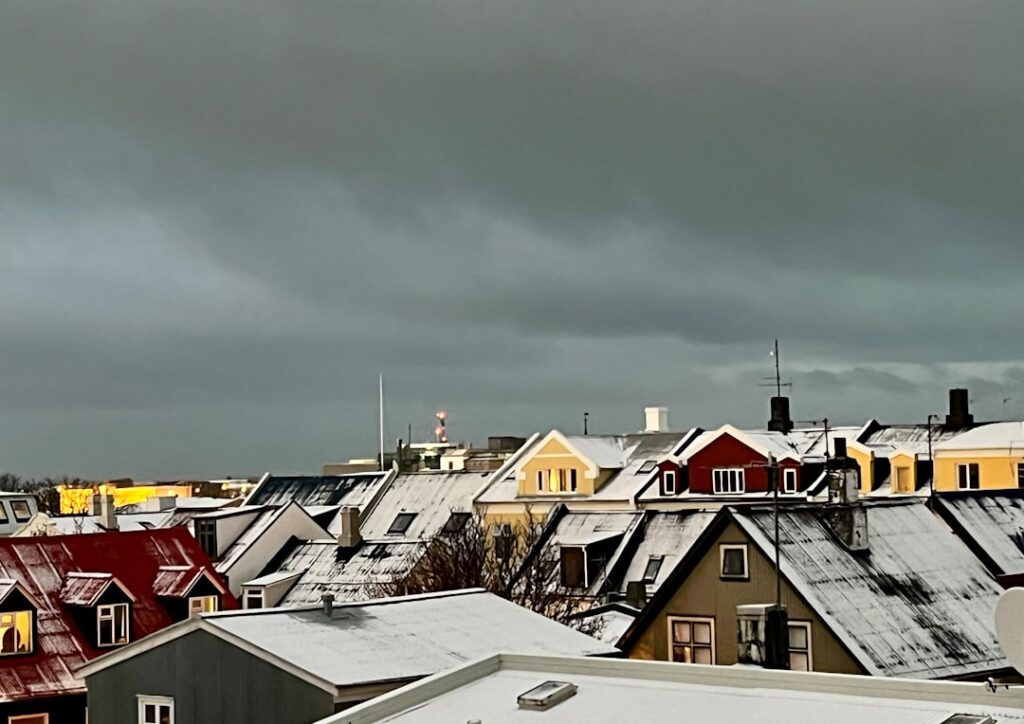
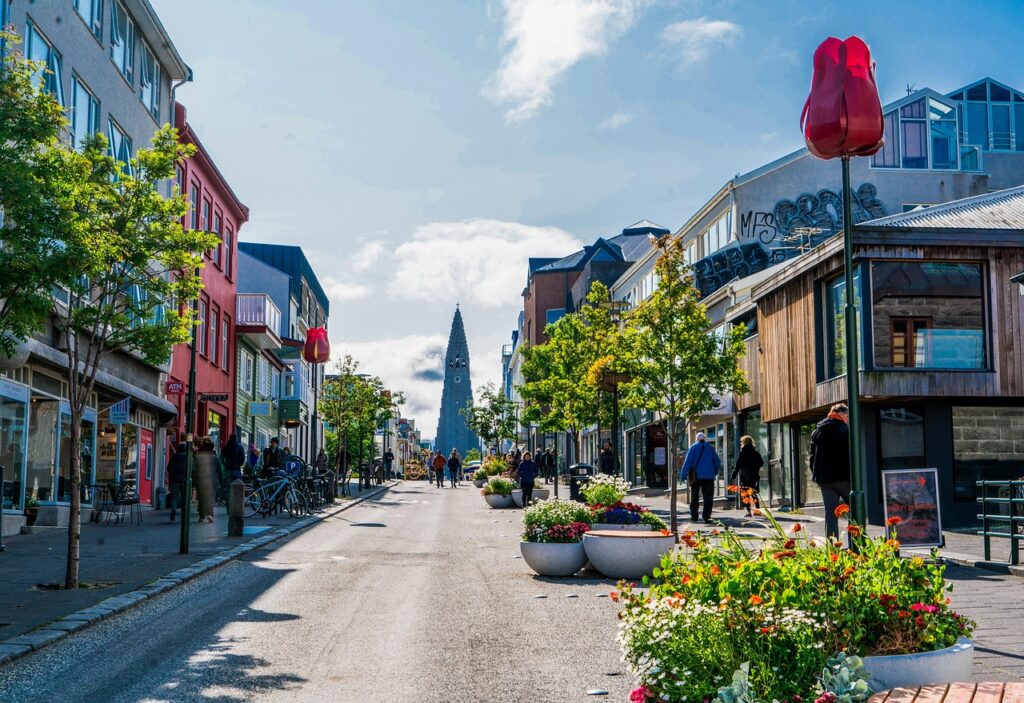
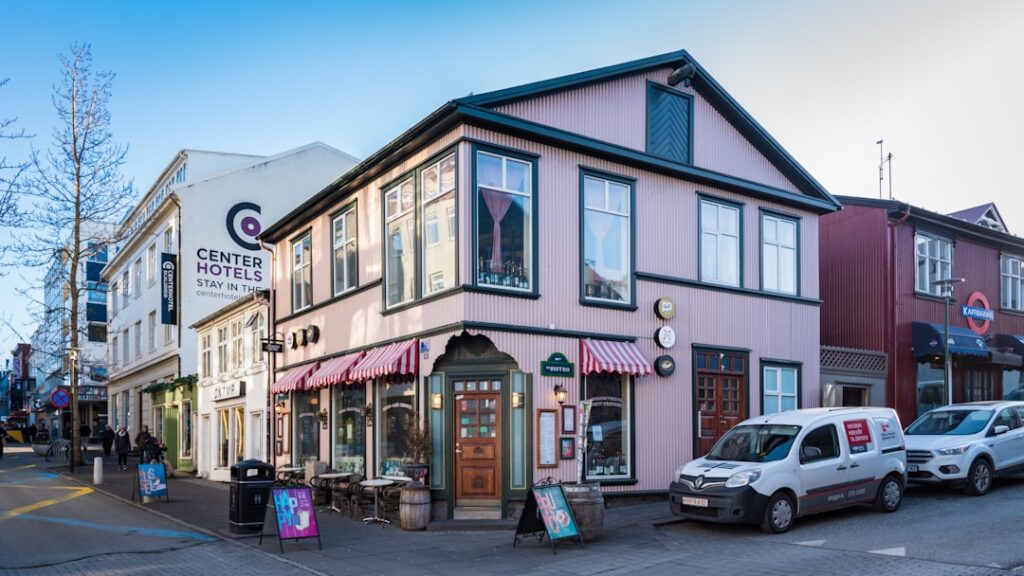
Reykjavík is small but diverse. To get your bearings, keep three axes in mind: the historic center around Laugavegur, the waterfront, and Víkurbraut / Hlemmur to the southeast. Each one shows a different side of the capital.
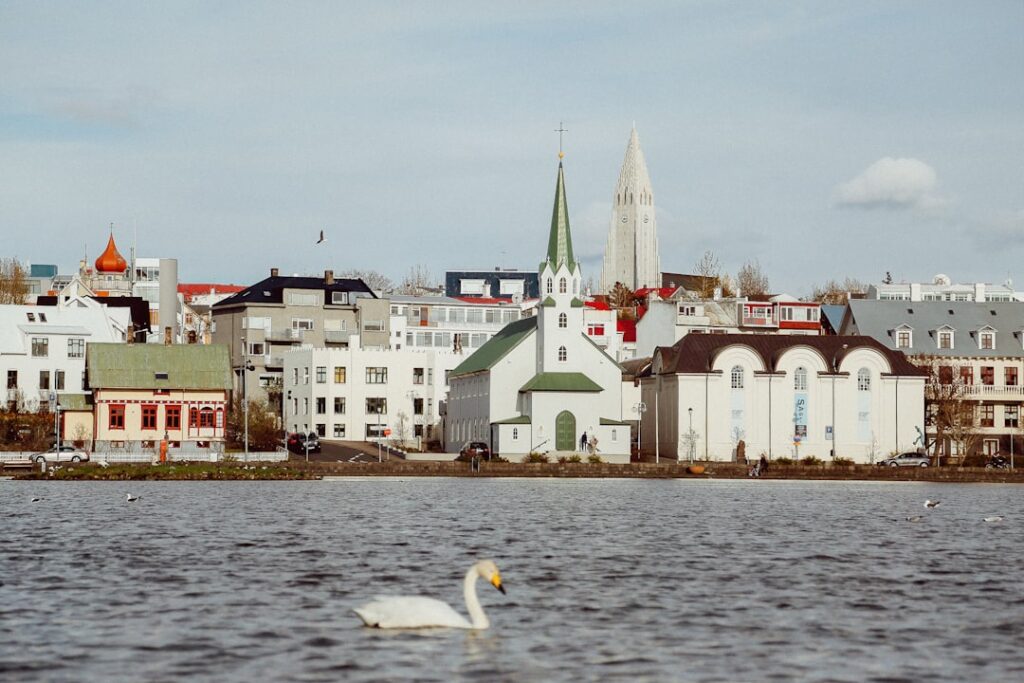
Hallgrímskirkja (Hallgrímstorg 1, 101 Reykjavík) is an excellent visual and practical starting point. The church is generally open from 09:00 to 17:00 (longer summer hours, shorter winter hours); tower access costs about €8 for adults. From the tower you get a panoramic view of the city, which helps you spot neighborhoods and the bay. Nearby, the gift shop and café are handy for a first coffee.
Harpa Concert Hall (Austurbakki 2, 101 Reykjavík) is a modern cultural hub where you can admire the interior architecture and check the program. Building entry is free, but concerts and exhibitions are ticketed: expect €15–€60 depending on the event. Occasional guided tours cost around €12. Harpa faces the old harbor, an ideal spot to stroll, watch the boats, and enjoy the colorful houses and cafés.
For a typical local snack, head to Bæjarins Beztu Pylsur (Tryggvagata 1, 101 Reykjavík), the famous hot-dog stand. A hot dog costs about €4 (ISK ~700) and is an iconic Icelandic bite. If you want a contemporary culinary take on tradition, Matur og Drykkur (Grandagarður 2, 101 Reykjavík) serves modernized Icelandic dishes; mains €25–€45, generally open 12:00–22:00. For coffee and a social vibe, KEX Hostel Cafe (Skúlagata 28, 101 Reykjavík) is popular: coffees €3–€5, open roughly 08:00–22:00 depending on season.
Museums add historical and cultural context: the National Museum of Iceland (Þjóðminjasafn Íslands, Suðurgata 41, 101 Reykjavík) is usually open 10:00–17:00 (some late openings certain days); adult ticket around €17. The Reykjavík Art Museum is spread across several sites, including Hafnarhús (Tryggvagata 17, 101 Reykjavík) and Kjarvalsstaðir (Flókagata 24, 101 Reykjavík); combined tickets ~€12–€18.
The public pools are a core part of everyday Icelandic life: Laugardalslaug (Sundlaugavegur 30, 105 Reykjavík) is the largest, with outdoor thermal pools, a slide and saunas. Entry is roughly €8–€10 for adults, hours vary (commonly 06:00–22:00 or 23:00). Visiting a local pool is a great way to meet residents and is less touristy than private spas.
Local tips: avoid Laugavegur during peak hours if you want a quiet café (early morning or late afternoon are best). Book popular restaurants at least 48 hours ahead during high season. Use the Strætó app for buses (single fares about €4, payment via app or cash on some lines). Walk where you can: Reykjavík is perfect for exploring on foot — bring a windproof jacket and good shoes.
2) Nearby nature: the Golden Circle and Reykjanes Peninsula, but differently
Classic day trips from Reykjavík include the Golden Circle — Þingvellir, Geysir and Gullfoss — and the Reykjanes Peninsula (Blue Lagoon, Fiskimörk, lava fields). Instead of snapping a bunch of quick photos, here’s how to make the most of each place and avoid common pitfalls.
Þingvellir National Park (Þingvellir, 801 Selfoss / Visitor Centre address: Þingvellir, 801) is best visited early in the morning to beat the tour buses. The park is free, though parking can be charged in some zones (≈€2–€5). Walk through the Almannagjá fissure and follow the trails to the Öxarárfoss waterfall. Bring warm, waterproof clothing: the wind can make temperatures feel much colder than in Reykjavík.
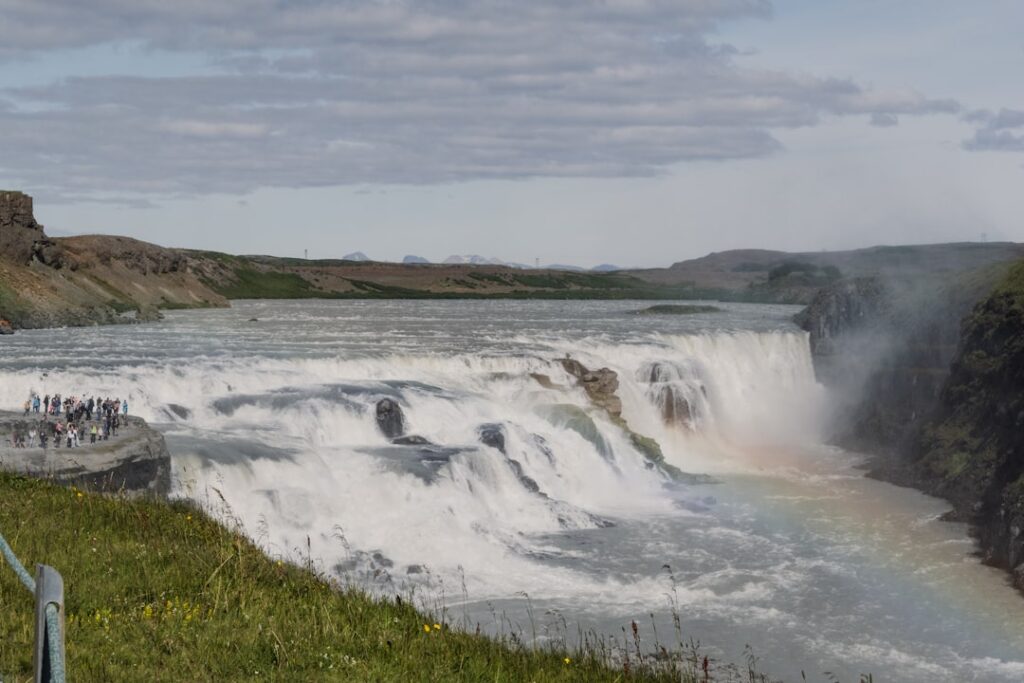
The Geysir Geothermal Area (Haukadalur, 806 Geysir) is where Strokkur erupts roughly every 5–10 minutes. Access is free, but parking and on-site services (cafés, shops) tend to be pricey. Expect roughly €6–€8 for a coffee/pastry on-site. Gullfoss (Gullfoss, 846 Geysir) has a marked path down to the lower viewpoint — wear solid footwear as paths can be slippery. Parking hours are typically 08:00–18:00 but vary seasonally.
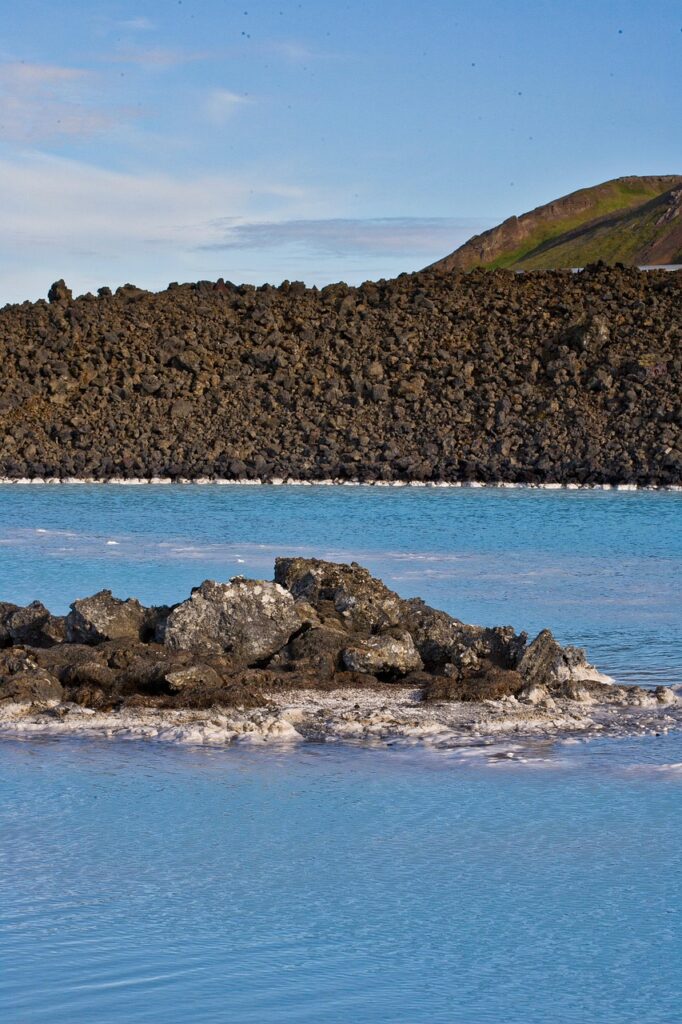
The Reykjanes Peninsula offers less crowded alternatives: the Blue Lagoon (Bláa Lónið, Norðurljósavegur 9, 240 Grindavík) is hugely popular. Standard entry starts around €75, with premium packages reaching €150–€250 (including treatments, towels, locker access). Opening hours are broad (usually 08:00–22:00, with extended summer hours), but you must book in advance — slots are limited by time. For a more local and cheaper geothermal experience, look for free or little-known hot pools such as Reykjadalur (Hot Spring Thermal River near Hveragerði): park in Hveragerði (parking may cost €3–€5) then hike 3–4 km to the hot river; there are no facilities, so bring biodegradable soap and respect the environment.
Practical tips: head out early for Þingvellir and Gullfoss, or plan late-afternoon visits outside peak season. Avoid roadside services near tourist car parks for meals — bring snacks from Reykjavík (bakeries, supermarkets) to save money. If you’re driving, check your rental insurance for gravel and weather-related damage, and keep an Icelandic weather app (vedur.is) handy for alerts. For organized transfers, compare small-group tours (€60–€120 per person depending on duration and inclusions) with renting a vehicle (€50–€120/day depending on season and type).
3) Beyond Reykjavík: backroads, farms and alternative stays
Iceland’s landscape changes the moment you leave Route 1 or the standard tourist circuits. For more intimate moments, favor secondary roads, farmstays, family-run guesthouses and short unguided hikes. These experiences bring you closer to locals and traditional Icelandic ways of life.
The south coast has highlights like Seljalandsfoss (Seljalandsfoss, 861 Hvolsvöllur) and Skógafoss (Skógafoss, 861 Skógar). These waterfalls are stunning but crowded. To avoid the rush, explore tributaries downstream or visit early morning/late afternoon. Further on, Skaftafell Nature Reserve (Skaftafell, 785 Öræfi) offers varied hikes. Access to Vatnajökull National Park can be ticketed via some parking areas in high season (≈€4–€6), and guided glacier tours start around €80–€140 depending on length and equipment provided.
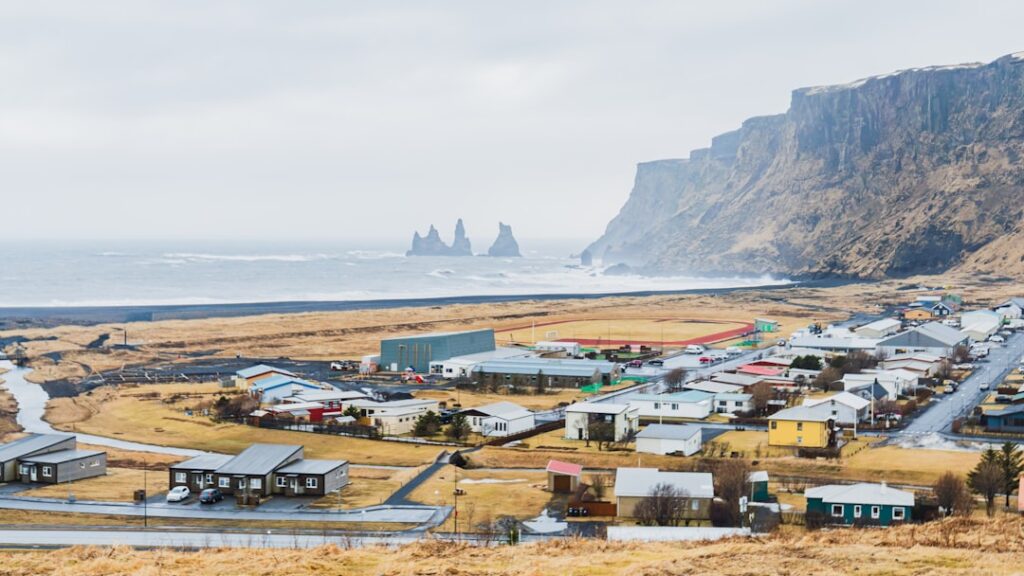
The village of Vík (Víkurbraut 1, 870 Vík) is a handy stop; for alternative lodging look for farms offering farmstays and homemade breakfasts: Night in Vík, Berg Guesthouse (Dyrhólaey area) and other guesthouses often list double rooms from €70–€110 per night (outside high season). For a deeper immersion, book a night on a farm near Hvolsvöllur or Egilsstaðir where owners share their daily life — prices vary, typically €80–€140/night depending on comfort.
The Snæfellsnes Peninsula to the west (accessible via Route 54) is often called “Iceland in miniature”: black beaches, cliffs, lava fields and a glacier-volcano. Accommodation is more scattered; expect €90–€160/night for mid-range lodging. Explore small towns like Stykkishólmur (Fiskislóð 4, 340 Stykkishólmur) for local fish restaurants (main courses €18–€35).
Traveler tips: book lodging ahead, especially in July–August and around Christmas/New Year. Carry a printed road map in addition to apps — mobile coverage can be patchy. If you rent a 4×4 (strongly recommended for F-roads in the highlands), confirm your rental allows F-roads and that insurance covers gravel and water damage. Always respect fences and signage on private land: livestock has right of way and fragile terrain recovers slowly from trampling.
4) Practical tips: transport, budget, seasons and safety
Putting together an efficient trip to Iceland takes careful logistics: transport, a realistic budget, the right clothing and a safety mindset. Here are the essentials to experience Iceland without surprises or clichés.
Transport: Reykjavík has a bus network (Strætó) serving the city and suburbs. A single ticket costs about €4–€5 (payment via the Strætó app or prepaid cards). Regional buses link Reykjavík with Akureyri, Egilsstaðir and other towns; long-distance fares range €20–€70 depending on distance. Renting a car offers maximum freedom: average prices €50–€120/day for a standard car, €100–€250/day for a 4×4 outside peak season. Fuel is expensive: roughly €1.80–€2.10 per liter (variable). Make sure your insurance covers gravel damage, floods and windshield breaks — additional costs are common if these aren’t included.
Budget: Iceland is pricey but manageable. Meals: hotel/guesthouse breakfasts are often included; a lunch from a stand or sandwich ≈ €6–€12; dinner at a mid-range restaurant ≈ €25–€45 per main. Supermarkets like Bónus (a large Icelandic chain; a central example in Reykjavík: Laugavegur 77, 105 Reykjavík) sell basics at more reasonable prices. Accommodation: hostels and guesthouses ≈ €40–€120/night; mid-range hotels €110–€250/night. Activities: museums €10–€20; glacier or whale-watching tours €60–€150; Blue Lagoon €75–€200. Allow a buffer for weather-related changes and spontaneous activities.
Seasons and weather: Iceland’s climate is changeable. Summer (June–August) brings long days and generally passable roads; winter (November–March) brings snow, ice and road closures. Check forecasts on vedur.is for weather and road.is for road conditions. Pack layers: thermal base layers, fleece, a windproof waterproof jacket, hat and gloves. Shoes should be waterproof with good grip.
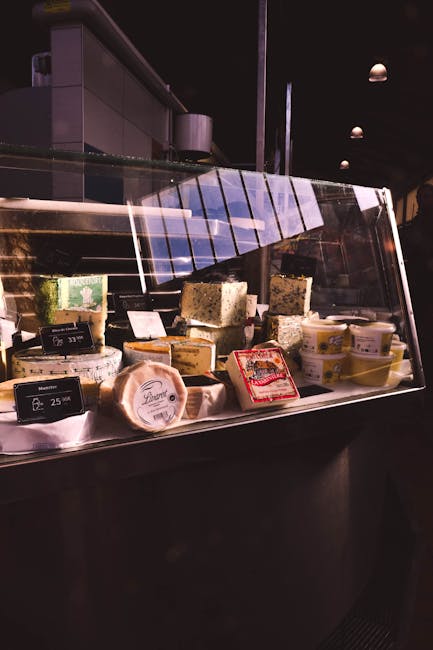
Safety and respect: follow signs and do not cross barriers on cliffs or in delicate moss areas. Don’t block trails to take photos. If hiking solo, tell someone your route and expected return time. For aurora viewing, move away from city lights and check aurora forecasts on specialist sites. Support the local economy by buying from local producers — cheeses, breads, jams — and favor responsible tours that fairly compensate local guides.
Conclusion — Traveling responsibly and curious: Iceland beyond the clichés
Experiencing Iceland differently means blending visits to iconic sites with local experiences, family-run stays and a genuine attention to the landscape and its people. Reykjavík is an ideal base: compact, welcoming and rich in cultural and culinary offerings. Use the city to stock up, book tours, visit museums and enjoy the public pools that reflect everyday Icelandic life. Beyond the capital, favor backroads and homestays to feel the country’s rhythm rather than collecting pictures in front of overcrowded attractions.
The addresses and tips given here — Hallgrímskirkja (Hallgrímstorg 1), Harpa (Austurbakki 2), National Museum (Suðurgata 41), Laugardalslaug (Sundlaugavegur 30), Blue Lagoon (Norðurljósavegur 9, Grindavík) and many more — will help you plan a concrete, realistic itinerary. Prices in euros, typical hours and seasonal recommendations will let you budget and organize your stay without surprises. But beyond numbers and addresses, what matters is your approach to the country: come with curiosity, patience, respect and preparation.
A few simple rules: book high-demand activities (Blue Lagoon, glacier tours, whale-watching) in advance; visit popular sites very early or late in the day; buy from local producers for meals; and pack for changeable weather. Do that, and you’ll discover a truer, richer and more human Iceland than the postcard images alone suggest. Safe travels — or rather, góðan ferð (good journey in Icelandic) — and take the time to listen to the winds, talk to locals and let the island’s hush work its magic.