





Introduction — The Story of Skyr and Icelandic Dairy: a sensory journey
Skyr is more than just a dairy product in Iceland: it’s a marker of cultural identity, a culinary heritage and a window into the island’s rural past. If you’re a curious traveler, understanding the history of skyr, Icelandic farms and traditional dairy techniques will help you appreciate not only the taste but also the social and geographical context that shaped this creamy, strained milk product. Skyr’s roots go back to the Viking era, when Norse settlers brought milk-preserving methods that evolved into the high‑protein, low‑fat food we know today.
Visiting Iceland to explore its dairy culture means tracing green pastures, remote farms, modern cooperatives and urban markets where tradition and innovation meet. In Reykjavík, at the Kolaportið indoor market, you can sample many varieties of skyr, from classic plain to berry- or vanilla‑flavored versions. In rural areas — in the valleys around Akureyri, Skagafjörður or near Blönduós — family farms still practise artisanal methods and often offer tastings that tell the story of milking, natural cooling of milk in groundwater and fermentation controlled by the heat of old hearths.
The story of skyr is also one of modernization: dairy cooperatives founded in the 19th century industrialized a once-domestic production, enabling skyr to become an export product enjoyed across Europe. At the same time, young Icelandic entrepreneurs have reinvented skyr by pairing it with contemporary flavors, launching skyr‑based yogurts and developing protein snacks. For the traveler, exploring these facets means key stops: national museums displaying old dairy tools, welcoming farms offering workshops and stays, and specialty shops with modern packaging.
In this guide I’ll take you on an immersive mix of history, practical visits and local tips. You’ll find exact addresses in Reykjavík and surrounding areas, price indications in euros for tastings and purchases, opening hours and vivid descriptions for each recommended spot. Whether you’re a foodie, a history buff or simply curious, this guide will help you plan a full discovery of skyr and Icelandic dairy — from rural authenticity to urban creativity.
The origins and historical evolution of skyr (from Viking tradition to the industrial age)
Skyr’s roots lie in the milk‑preserving techniques used by early Nordic communities. Icelandic sagas mention stores of curdled milk and conservation practices that helped settlers survive harsh winters. Originally, skyr was made by gently heating milk, adding a portion of the previous day’s skyr as a starter, then straining the curds to achieve a dense texture. This method minimized spoilage and produced a high‑protein, portable food that kept well.
In the 18th and 19th centuries, as Icelandic agriculture developed, local dairy cooperatives began to form to better market milk and its products. These cooperatives introduced pasteurization methods and more efficient draining equipment, helping to standardize skyr’s quality. Industrialization sped up in the 20th century: dairy factories near urban centers, particularly in Reykjavík, started producing skyr at a larger scale using selected cultures and hygienic controls that made export practical.
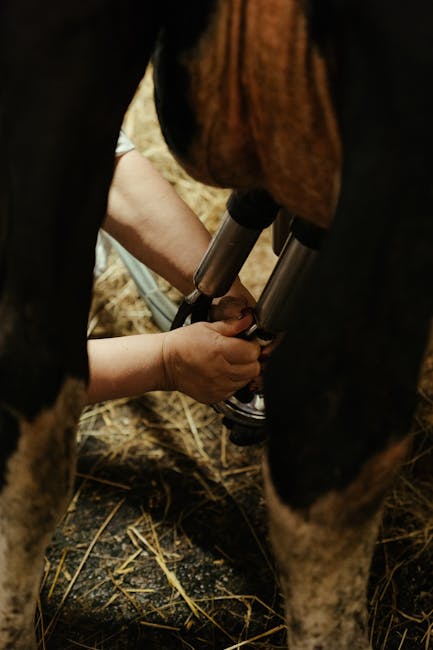
That modernization didn’t erase the artisanal dimension. On many Icelandic farms, families keep traditional production alive, often alongside tourism. You can witness these practices at farms open to visitors where they demonstrate milking of Icelandic cows (typically hardy breeds suited to the climate) and the transformation of milk into skyr and local cheeses. These experiences sometimes include hands‑on workshops where visitors help with coagulation and draining, then taste fresh portions to appreciate the texture and flavor differences between farmhouse skyr and industrially produced skyr.
Culturally, skyr remains central to celebrations and daily life. It accompanies a traditional breakfast, features in desserts like skyrkaka (skyr cake) and appears alongside savory dishes in some variations. Skyr’s history therefore weaves together agriculture, family cuisine and industrial modernity, and it continues to evolve thanks to culinary innovation and rising global demand.
Where to taste and learn: addresses, opening hours, prices and practical tips
For travelers, several stops will deepen your understanding of skyr and Icelandic dairy. In Reykjavík, start at Kolaportið (Tryggvagata 19, 101 Reykjavík) — the popular indoor market near the harbor. Opening hours: Friday–Sunday 10:00–17:00. Tip: look for stalls offering homemade skyr with samples starting at about €3.00 for a tasting portion (roughly 400 ISK depending on the exchange rate). Kolaportið is perfect for comparing texture and flavor from different local producers.
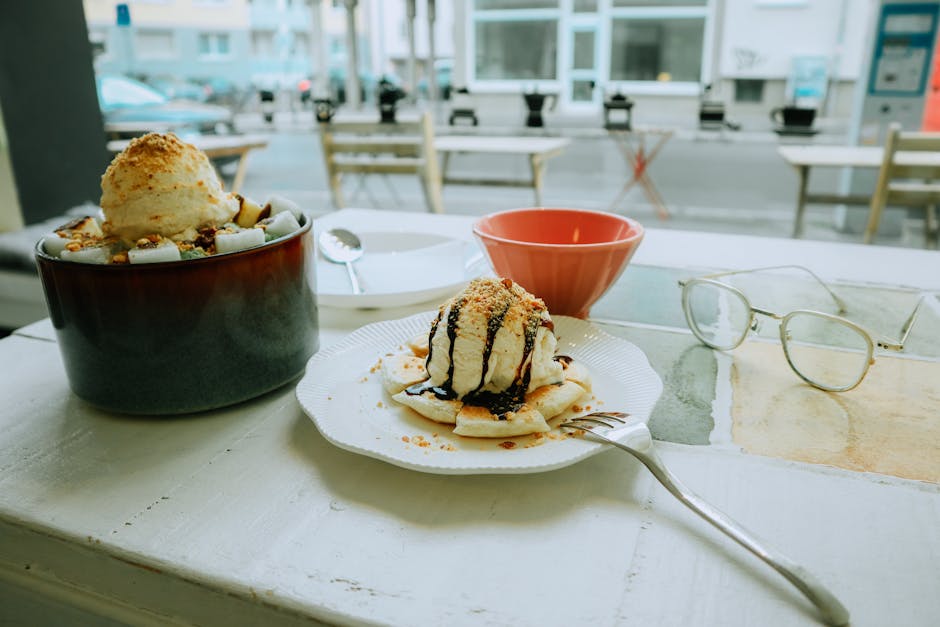
Just a short walk away, Café Loki (Lokastígur 28, 101 Reykjavík) presents a restaurant approach to Icelandic food heritage. Typical opening hours: 09:00–22:00 daily. Expect a bowl of house skyr for around €4.50 (≈600 ISK). It’s often served with wild berry jams or traditional rye bread — a great way to experience how skyr fits into everyday Icelandic meals.
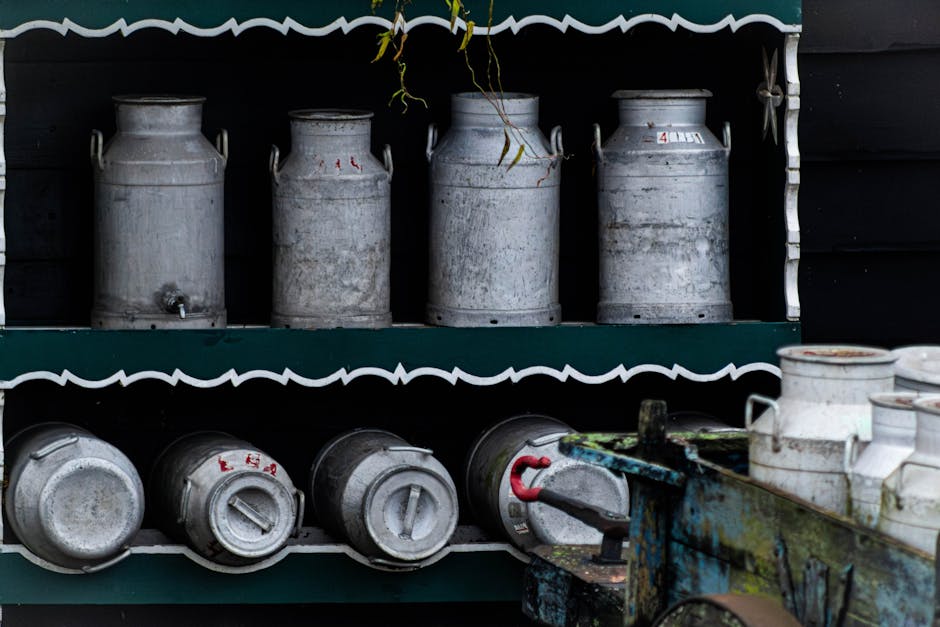
For a more educational visit, the National Museum of Iceland (Þjóðminjasafn Íslands, Suðurgata 41, 101 Reykjavík) includes exhibits on historic farming practices and dairy utensils. Opening hours: 10:00–17:00 (seasonal variations apply). Admission: about €12.50 for an adult. The displays place skyr in its historical and social context, with old objects and illustrations of milk preservation techniques.
In rural areas, prioritize farms that offer tours. For example, farms around Akureyri and Skagafjörður provide workshops on milking and skyr production, usually by reservation. Workshop prices range from €15 to €45 per person depending on duration and whether a tasting or meal is included. Visits are typically scheduled between 10:00 and 16:00, bookable by phone or email; most offerings are concentrated in summer (June–August).
Practical local tips: pack warm clothing even in summer (wind and rain are common), bring reusable containers if you buy fresh, unsealed skyr jars, and always ask whether a product is pasteurized if you’re sensitive to unpasteurized dairy. If you plan to buy edible souvenirs, check your country’s import rules for dairy products.
Conclusion — Between tradition and innovation: the future of skyr in Iceland
Skyr, a witness to a millennia‑old history, remains at the heart of Icelandic food culture while adapting to contemporary trends. Between family farms, modern cooperatives and culinary entrepreneurs, there’s a dynamic mix of preservation and innovation. To understand it, travelers should combine historical visits, city tastings and hands‑on farm experiences. Each stop reveals a different side: the robustness of preservation techniques, contemporary chefs’ culinary finesse and the friendly atmosphere of local markets.
Plan visits with opening hours and seasons in mind, favor farms that run workshops for an immersive experience and don’t hesitate to ask producers questions — most are happy to share their know‑how. Keep practical tips in mind (warm layers, reusable containers, checking pasteurization) to avoid surprises.
Finally, be ready to be surprised by skyr’s variety: from plain, hearty strains to fruity spins and protein innovations, Iceland offers a full panorama that balances heritage and creativity. Whether you leave with jars bought at the market, flavorful memories from a farm workshop or a new appreciation for ancient dairy techniques, the story of skyr will have taken you on a unique sensory and cultural journey.