





Introduction — Off the beaten path in Iceland: why and how to avoid tourist traps
Iceland has in a few years become a top destination for travelers chasing dramatic landscapes: glaciers, volcanoes, black sand beaches and hot springs line Route 1. That fame has a downside: some places have turned into mass « attractions » with queues, overcrowded parking lots, opportunistic vendors and visible environmental impact. Avoiding tourist traps doesn’t mean skipping the highlights — it means planning smarter, choosing responsible alternatives and protecting the authentic experiences many come for.
This general guide offers practical strategies, exact addresses, opening times and prices in euros to help you explore Iceland thoughtfully. You’ll find tips for visiting outside peak hours, lesser-known alternatives and local behaviour advice — especially how to respect Iceland’s fragile nature. I cover both the big-name sites (Blue Lagoon, Seljalandsfoss, Jökulsárlón) and quieter replacement routes (Reykjadalur, the Snæfellsnes Peninsula, secret beaches), with concrete info on access, parking, approximate fees converted to euros and usual opening times so you can organise your trip pragmatically.
Local information in Iceland changes fast: roads can be closed in winter, prices vary by season and access restrictions are used to protect wildlife and plants. This guide gives indications based on recent practice and full addresses so you can check updates with venues or tourist offices. We also include advice on renting the right car, recommended insurances, and how to pair popular visits with less crowded alternatives so you don’t sacrifice the country’s beauty. Finally, practical suggestions on optimal timings (sunrise, late afternoon, off-peak hours) will help you take better photos, enjoy a calmer experience and reduce your footprint.
1) Avoiding the Blue Lagoon crowds and less-touristy thermal alternatives
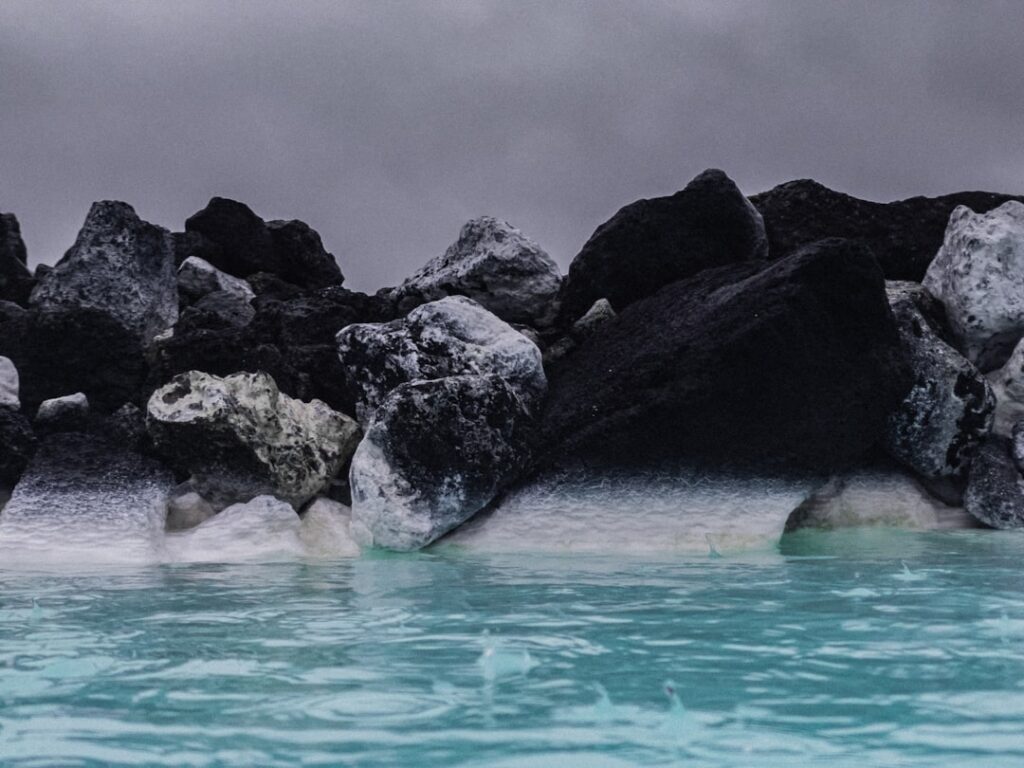
The Blue Lagoon (Bláa Lónið) in Grindavík is one of Iceland’s icons. Address: Nordurljosvegur 9, 240 Grindavík. Typical opening hours: 07:00–22:00 (hours vary by season). Indicative entrance price: from around €59 for standard entry, €99–199 for premium experiences (depends on package and season). Prices are often higher in high season and online booking is generally required.
Why it’s a trap? The steady stream of visitors turns the experience into conveyor-belt bathing: crowded pools, pricey restaurants and shops, and sometimes queues to get in. To avoid that while still enjoying Icelandic geothermal waters, favour local, less crowded alternatives:
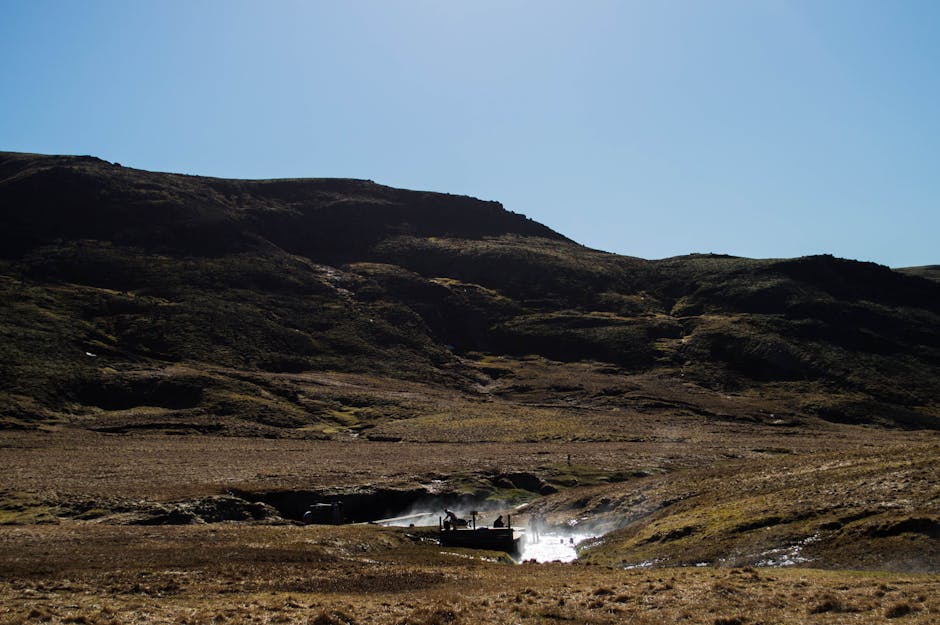
- Reykjadalur Hot Springs — Hveragerði, Reykjadalur trailhead, 816 Hveragerði. Access: parking in the village of Hveragerði then an easy 45–60 minute hike. Free. Hours: trail accessible 24/7, but hike at sunrise or sunset to avoid other visitors. Advantage: a natural hot river in a wild valley, with far fewer people than the Blue Lagoon.
- Secret Lagoon — Gamla Laugin, Hvammsvegur, 845 Flúðir. Hours: 10:00–20:00 (seasonal hours). Indicative price: €20–30. A small historic facility with a rustic, more intimate atmosphere.
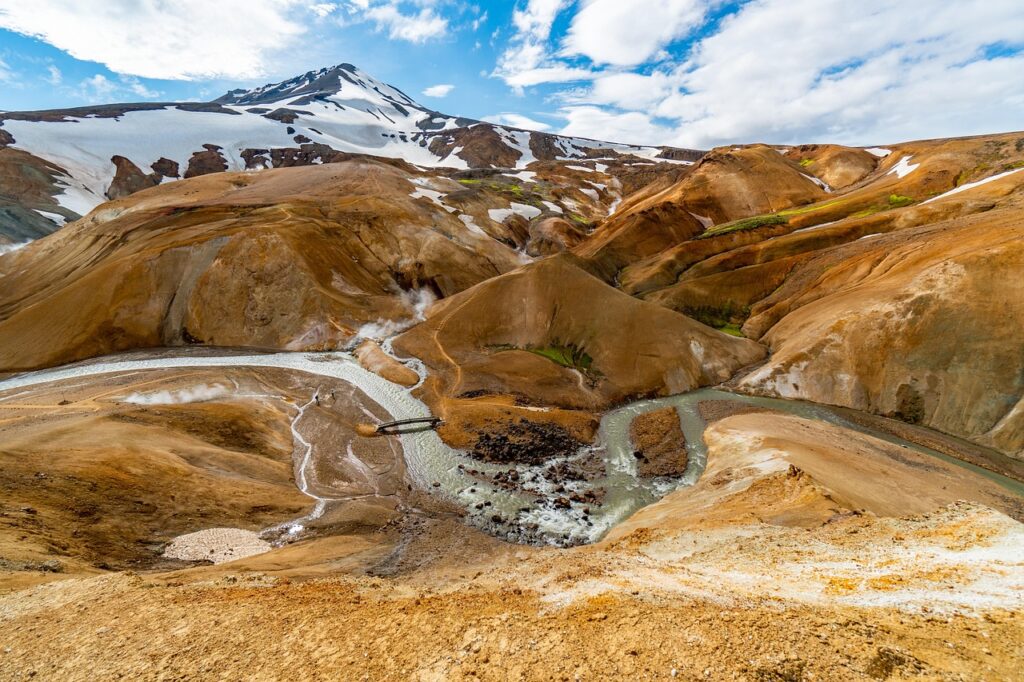
- Mývatn Nature Baths — Baldursgata 9, 660 Mývatn. Hours: 10:00–22:00. Price: around €40–60. Located in the north, often less busy than the Blue Lagoon, with volcanic landscapes nearby.
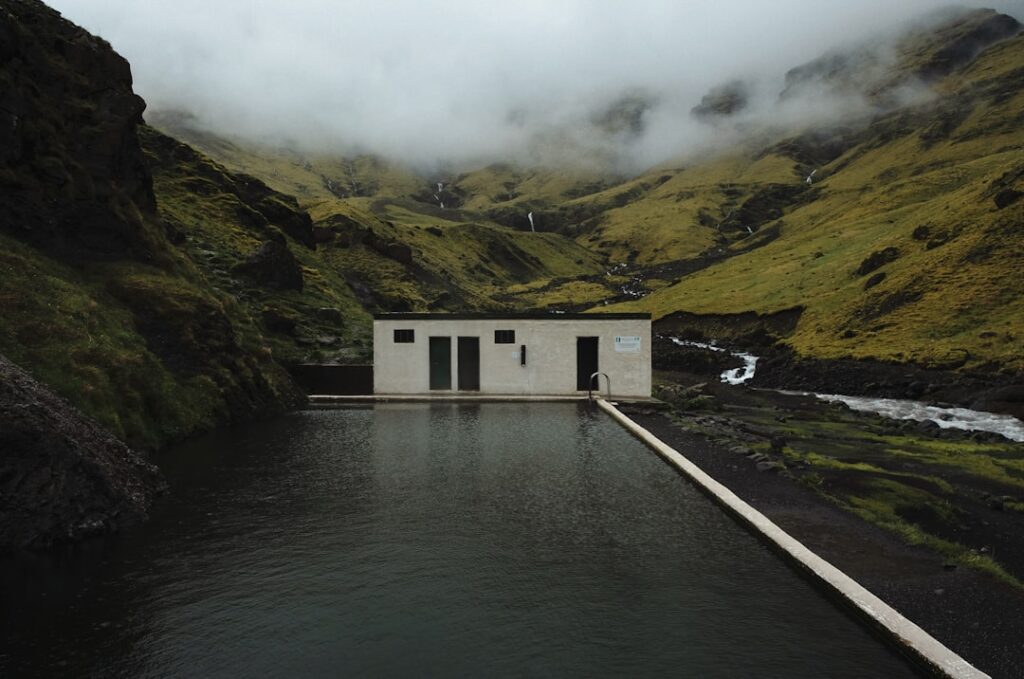
Local tips: book early if you really want the Blue Lagoon, and pick an early morning slot (07:00–09:00) or a late one (after 19:00) for a nicer atmosphere. Bring your own face mask and sunscreen (the water is rich in silica) and follow the washing rules before entering. If you choose natural springs, stick to the marked paths, don’t use soap and take your rubbish with you.
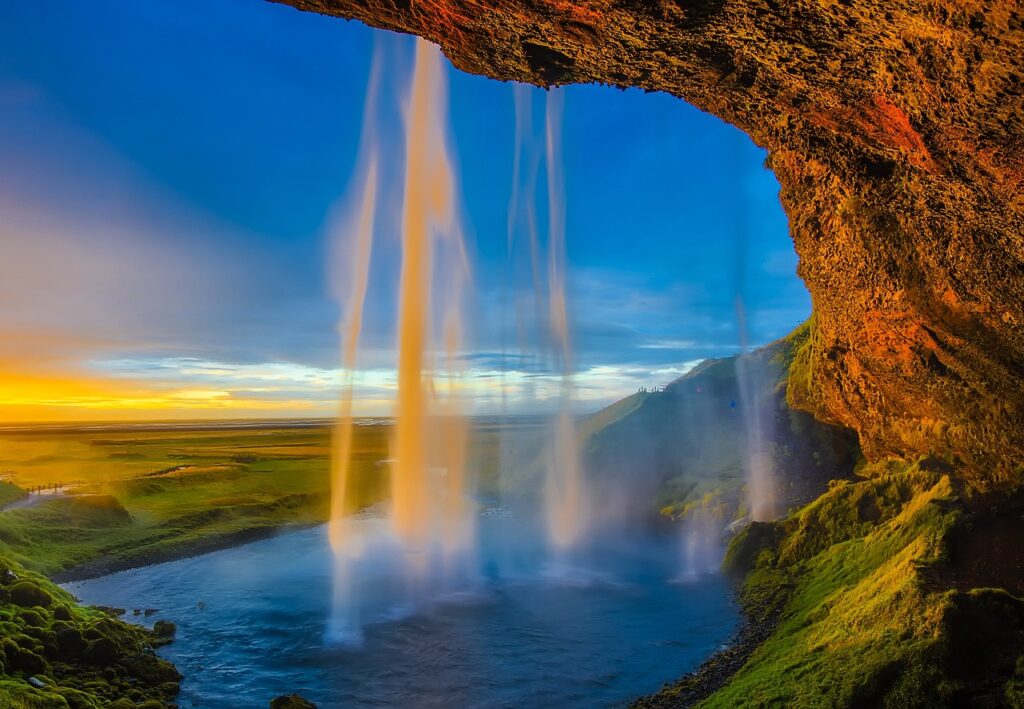
2) South Coast: how to enjoy Seljalandsfoss, Skógafoss and quieter alternatives
Iceland’s south coast packs several highly visited wonders. Seljalandsfoss (approximate postal address: Seljalandsfoss, 861 Hvolsvöllur) and Skógafoss (Skógar, 861 Hvolsvöllur) are reachable from Route 1. Access hours: natural sites are usually open 24/7. Parking: paid at times, roughly €5–10 depending on season for official parking. These waterfalls attract tour buses and can feel crowded at peak times (11:00–16:00).
To beat the crowds:
- Visit very early (sunrise) or late in the day. In summer, with the midnight sun, aim for late evening when most organized tours have left.
- Consider nearby, lesser-known alternatives: Gljúfrabúi, hidden behind a narrow cleft near Seljalandsfoss (same area, short walk) offers a mysterious atmosphere; the Fimmvörðuháls trail starts at Skógar but moves away from the crowds quickly if you hike 1–2 hours.
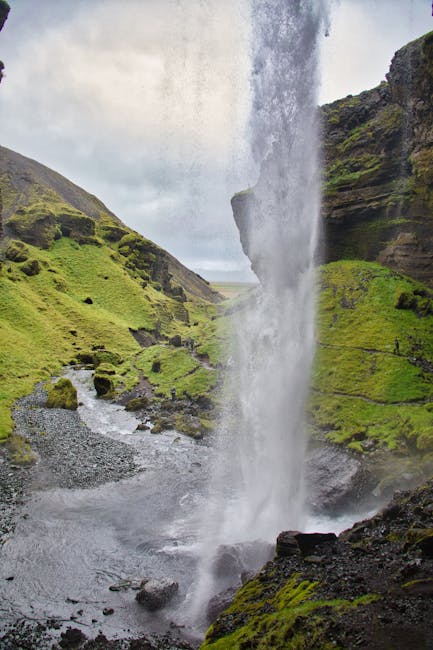
- Alternative destination: Kvernufoss (Kvernufoss waterfall, Fossárdalur, 861 Hvolsvöllur). Access: a discreet car park near the Skógar museum then a 20-minute trail. Often deserted, it’s a stunning canyon waterfall.
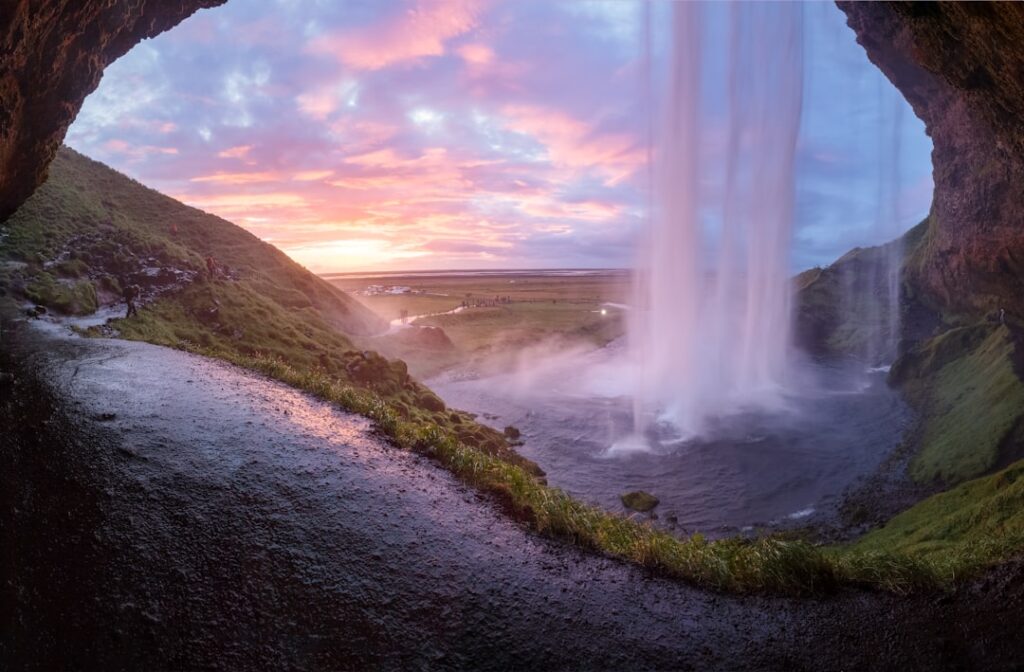
Practical info: Seljalandsfoss has a path that takes you behind the waterfall — bring waterproofs and non-slip shoes; the cave behind the fall can be slippery. Skógafoss has a staircase along the right-hand side for panoramic views (rarely closed but be cautious in winter). If driving a rental car, a compact vehicle can be enough in summer, but in winter or for F-roads (highland tracks) choose a 4×4 and gravel protection insurance. Respect signs that forbid access to certain areas, often to allow fragile vegetation to recover.
3) Jökulsárlón and the East: avoiding overtourism and finding other glacial lagoons
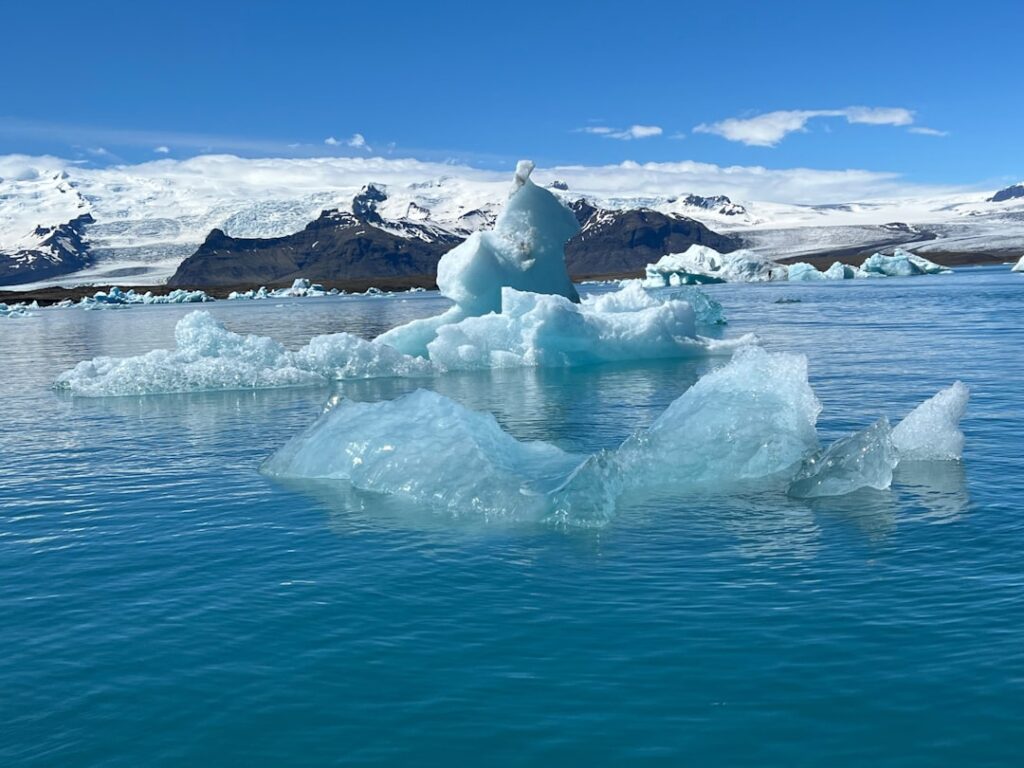
Jökulsárlón Glacier Lagoon (address: Jökulsárlón, 781 Höfn í Hornafirði) is famous for its floating icebergs and the Diamond Beach across the road. Hours: accessible 24/7; parking is free but spaces are limited. Prices: amphibian or zodiac boat tours cost around €50–80 depending on operator and season (e.g. Amphibian boat tours, regular departures in high season). This site fills up quickly, especially between 10:00 and 16:00.
Less crowded alternatives and tips:
- Fjallsárlón — Fjallsárlón Iceberg Lagoon, Fjallsárlón, 785 Öræfi. Smaller than Jökulsárlón and often calmer, but equally photogenic. Parking and access trails are free. Boat excursions are usually cheaper (around €40–60).
- Breiðamerkursandur (Diamond Beach) — accessible from the same parking as Jökulsárlón but walk further east to escape the crowds near the main lot.
- For a more intimate experience, visit at dawn or after 20:00 in summer. Rent a kayak or book a small local zodiac to get away from the larger groups.
Practical advice: bring warm, windproof clothing even in summer — the breeze around icebergs bites. Local operators often require advance booking; compare departure times and check weather conditions (visibility and safety around drifting ice can change quickly). Respect barriers and never climb onto icebergs — obvious danger. If you want crowd-free photos, walk 10–20 minutes along the black sand beach to find unique compositions.
4) Reykjavík and the Snæfellsnes Peninsula: smart urban and rural visiting
Reykjavík’s central spots can be busy, but with good planning they offer a rich, low-stress discovery. Hallgrímskirkja (Skólavörðustígur 101, 101 Reykjavík) is very popular: usual hours 09:00–17:00, tower access around €6–8. Harpa Concert Hall (Austurbakki 2, 101 Reykjavík) hosts many concerts and visits; entry to the main building is free, show tickets vary (€20–100).
To avoid urban traps:
- Visit Hallgrímskirkja early in the morning or after 18:00 to miss cruise passengers and buses. Go up the tower for a clear view over Reykjavík and you’ll meet few visitors outside peak times.
- Wander less touristy neighbourhoods like Vesturbær and Grandi (old harbour area); stop at the indoor market Hafnarfjarðarhöfn or at local cafés (coffee ~€3–4, breakfast €8–15 depending on the place).
- Recommended day trip: the Snæfellsnes Peninsula (route 54). Spots to favor to avoid crowds: Djúpalónssandur beach (Djúpalónssandur, Snæfellsbær, 356), the cliffs at Arnarstapi (Arnarstapi, 356 Snæfellsbær) and Kirkjufell mountain (Kirkjufell, Grundarfjörður, 351). These sites are highly photogenic but spread out, which helps disperse visitors.
Practical info: for cafés and restaurants in Reykjavík, a useful address is Kaffitár, Laugavegur 27, 101 Reykjavík. Hours: often 08:00–18:00/22:00 depending on season. Approximate prices: lunch €12–20, dinner €20–40. If you’re driving, leave early for Snæfellsnes (1.5–2 hours) and allow extra time for dirt tracks and photo stops. Local tourist offices at Aðalstræti 18, 101 Reykjavík can provide up-to-date maps of road closures and conditions.
Conclusion — Responsible travel in Iceland: enjoyment and preservation
Dodging tourist traps in Iceland comes down to quality over quantity: plan your visits, pick off-peak times, opt for lesser-known alternatives and follow simple rules to protect the environment. The addresses and hours in this guide (Blue Lagoon, Seljalandsfoss, Skógafoss, Jökulsárlón, Hallgrímskirkja, etc.) help you prepare, but remember local conditions change rapidly. Always check official sites and tourist offices before you go, especially in winter when roads may be closed and schedules altered.
Support small local businesses (guesthouses, independent guides, village restaurants) to help the local economy and enjoy a more authentic experience. On hikes, stick to marked trails, don’t shortcut fragile vegetation and don’t leave any litter. If you rent a vehicle, take appropriate insurance, check road conditions and avoid F-roads without a 4×4 and experience. Finally, for memorable photos without crowds, get up early, stay late, or walk 10–20 minutes away from the main car park: often the magic is just a few steps away.
By following these principles you’ll fully enjoy Iceland’s wonders — waterfalls, black sand beaches, glacial lagoons and hot springs — while helping protect them for future generations. Have a great trip, and take the time to listen to the country: it has a lot to offer those who observe and respect it.