





Discover Icelandic Cuisine: Fish, Skyr and Traditions
Introduction
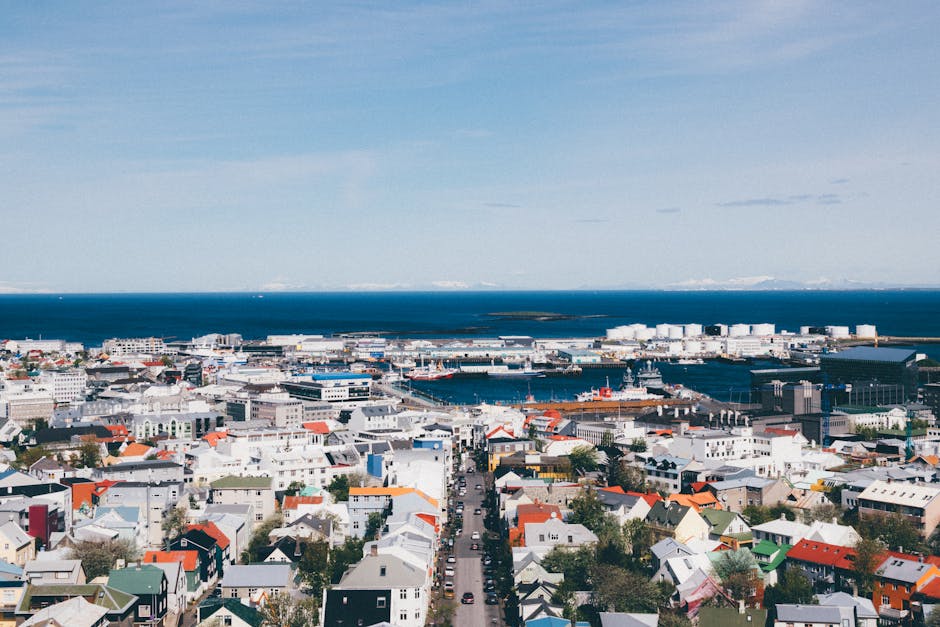
Icelandic cuisine is a journey in itself: born from a harsh island environment, shaped by the North Atlantic and honed by centuries of rural and maritime tradition, it blends simplicity, respect for ingredients and culinary boldness. In Iceland, seafood flavors dominate — cod, halibut, wild salmon and related products — but local cooking is not limited to the sea. Skyr, that distinctive dairy product, has become the emblem of the Icelandic breakfast and has spread internationally in recent decades while still keeping its local roots. Alongside these staples, you’ll find dishes born of ancient techniques like drying, fermenting and smoking, reflecting a history where preservation and necessity shaped surprising tastes.
This general guide, aimed at curious travelers, gives a full look at what makes Icelandic food culture so rich: seafood, skyr and dairy, traditional specialties (sometimes surprising to visitors) as well as specific recommendations in Reykjavik and beyond, with practical info (exact addresses, opening hours, prices in euros) and local tips to get the most out of each tasting. The goal is to provide both historical and cultural context and immersive recommendations: where to order a seafood platter, where to try farm-made skyr, how to read an Icelandic menu, and how to respect local seasons and customs.
Before diving into details, a few practical tips: in Iceland, the fishing season and daily catches often shape restaurant menus. Favor places that prepare fish on site, ask staff about provenance (wild-caught / farmed) if that matters to you, and don’t hesitate to try smoked, marinated preparations and fish soups — true hallmarks of local cooking. Finally, budget accordingly: prices in Iceland are generally higher than the European average; this guide lists prices in euros to help you plan your expenses.
1. Seafood: From Dock to Plate
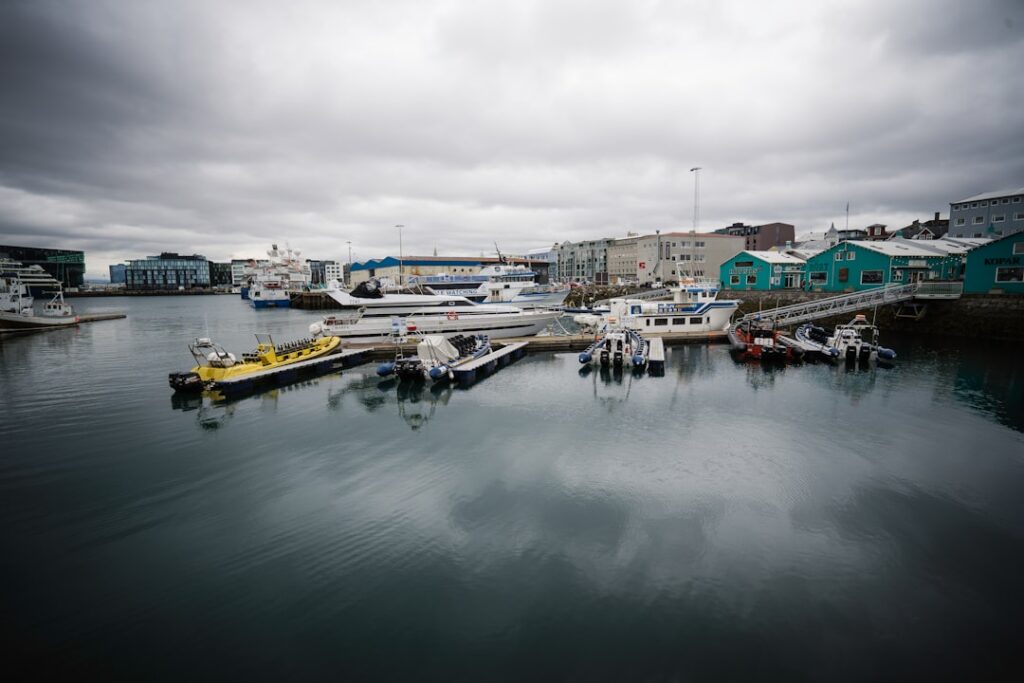
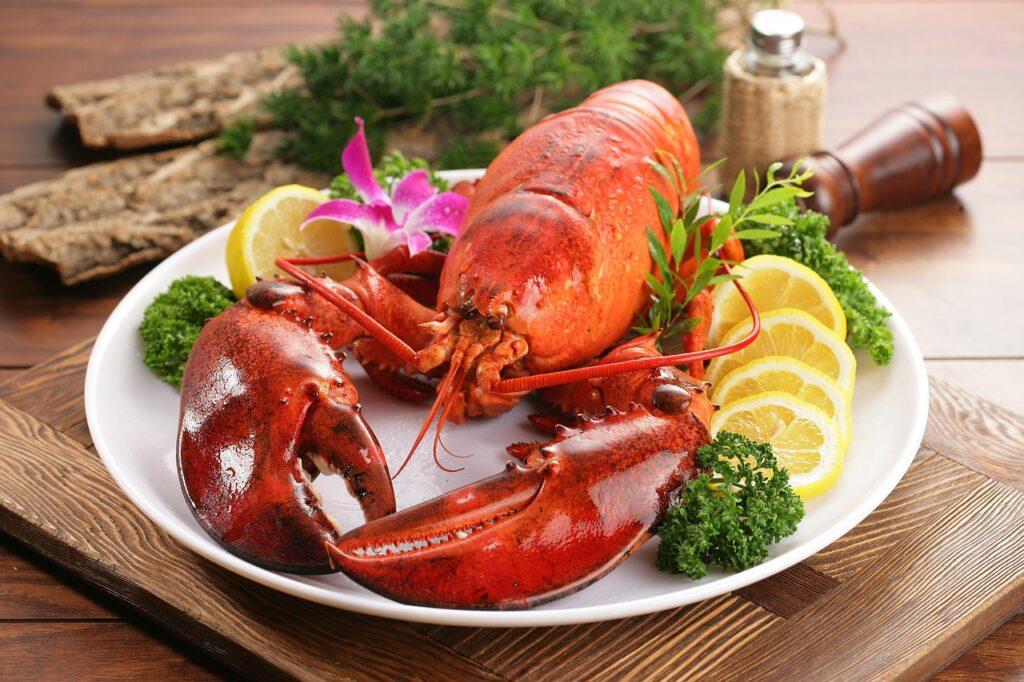
Iceland literally lives by its coasts. The ports of Reykjavik, Ísafjörður, Akureyri and Höfn supply markets and restaurants daily. The fish you’ll commonly see on menus include cod, halibut, wild salmon and pollock, and you’ll also find shellfish like Icelandic langoustine and various mollusks. Preparations range from the very simple — pan-fried fillets, clear broths — to sophisticated tasting-menu dishes showcasing local produce.
Examples of spots in Reykjavik:
- Fiskmarkaðurinn – Fishmarket, Aðalstræti 12, 101 Reykjavík. Hours: Monday–Saturday 17:30–22:00. Main fish dish ≈ €35–60; tasting menu ≈ €65–95. Description: contemporary fusion cuisine with a strong focus on seafood and elegant presentations. Bookings recommended on weekends.
- Sægreifinn – The Sea Baron (Sægreifinn), Geirsgata 8, 101 Reykjavík. Hours: daily 11:00–21:00. Specialty: lobster soup ≈ €12–18; mixed fish skewers ≈ €15–25. Rustic, authentic vibe — ideal for a simple, generous meal by the harbor.
- Matur og Drykkur, Grandagarður 2, 101 Reykjavík. Hours: Tuesday–Sunday 12:00–22:00. Dishes: smoked fish platter ≈ €20–30; tasting menu ≈ €45–70. A restaurant focused on reinterpreting traditional Icelandic recipes, with a fine selection of local fish.
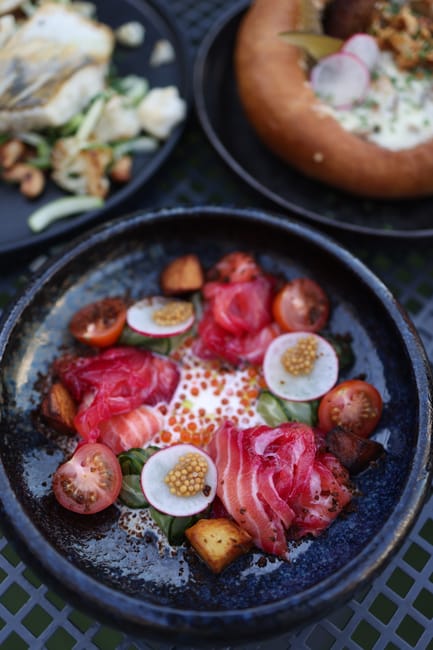
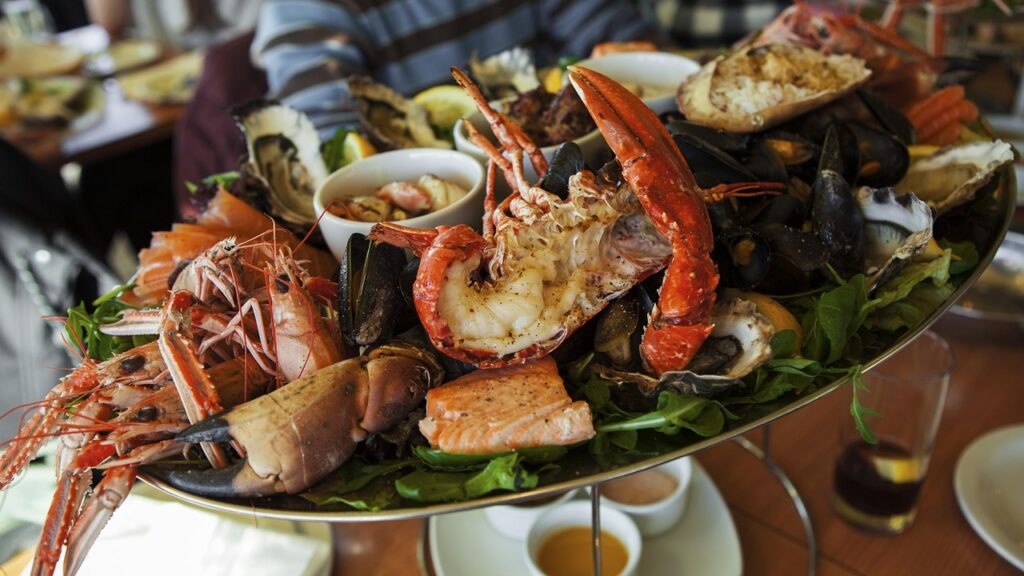
Local tips: always ask the server where the fish comes from (« Where is the fish from? ») and which cooking method they recommend. Freshness issues are rare in reputable restaurants, but if in doubt opt for places near the harbor. For a market experience, visit the stalls at Reykjavik Old Harbour in the morning: indicative prices for a takeaway seafood platter ≈ €25–40 depending on the selection.

2. Skyr and Dairy: Gentle Yet Powerful Flavors
Skyr is one of Iceland’s most iconic products. A dairy food with a thick, creamy texture, it’s high in protein and low in fat. Traditionally eaten plain with berries, honey or cereal, today it appears in many sweet and savory variations. You’ll find industrial skyr in supermarkets, but also artisanal farm-made skyr, which is more flavorful and often sold by local producers and at farmers’ markets.
Where to taste and buy:
- Skyr.is Shop / Visitor Center (official shop), Laugavegur 116, 105 Reykjavík. Hours: Monday–Friday 09:00–18:00, Saturday 10:00–16:00. Jars of skyr ≈ €2–4; tastings and small workshops ≈ €10–20. Info and workshops on skyr production (check seasonal schedule).
- Markets and farms: in rural areas (e.g. Haukadalur valley markets), you’ll find farm-made skyr often sold in glass jars and ladled by the scoop. Approximate price ≈ €3–6 per pot, depending on origin and organic certification.
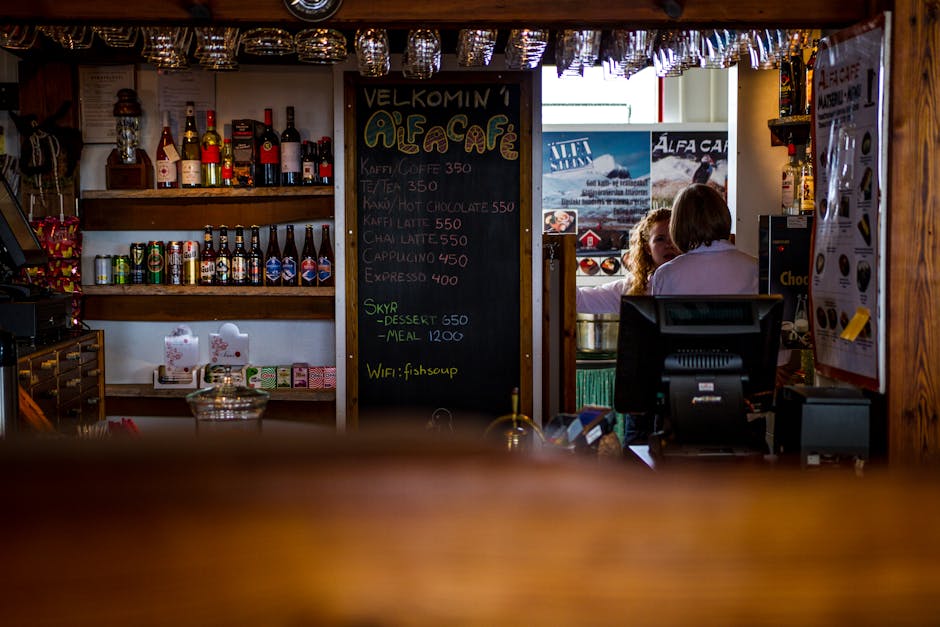
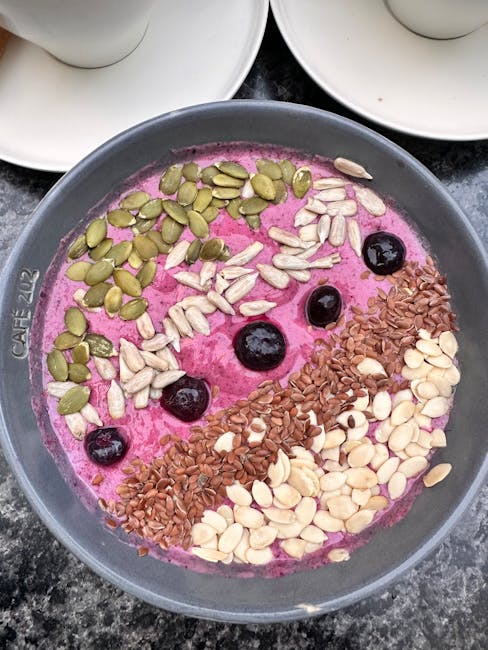
How to enjoy it: plain skyr has a lightly tangy note — pair it with wild blueberries, candied angelica or a drizzle of local honey. For breakfast, choose a bowl of skyr with seeds and berries for a light but filling meal. In savory dishes, skyr can replace crème fraîche in sauces or accompany smoked fish.
3. Traditional Dishes and Old Techniques: Ferments, Smoking and Drying
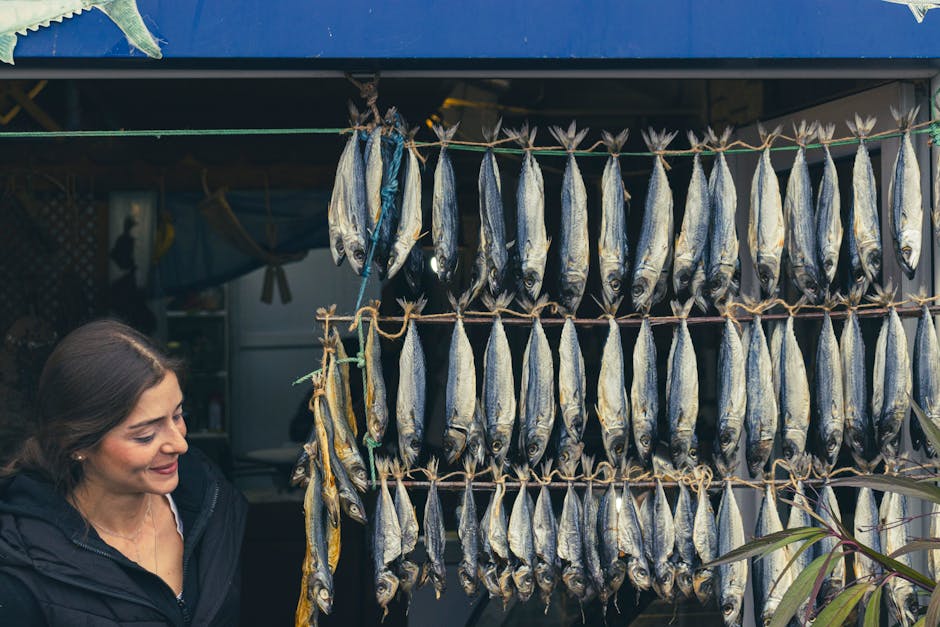
Icelandic cuisine was built around the need to preserve food. Ancient techniques — drying fish (harðfiskur), fermenting (hákarl), smoking — produced strong-flavored specialties that can be challenging for the uninitiated, but are key to understanding local culinary culture. These foods are often served at traditional celebrations or offered in small portions for gastronomic curiosity.
Some items to know:
- Harðfiskur (dried fish): dried fish fillets commonly eaten as a snack or light bite with butter. You can buy packs in supermarkets (Bónus, Krónan) for ≈ €3–8 depending on size. Artisan markets sell more elaborate local variants.
- Hákarl (fermented shark): a very distinctive specialty, typically served in small portions. Price at a culinary museum or tasting stall ≈ €3–6 per sample. Try it for the cultural experience, but be warned about its strong smell and flavor.
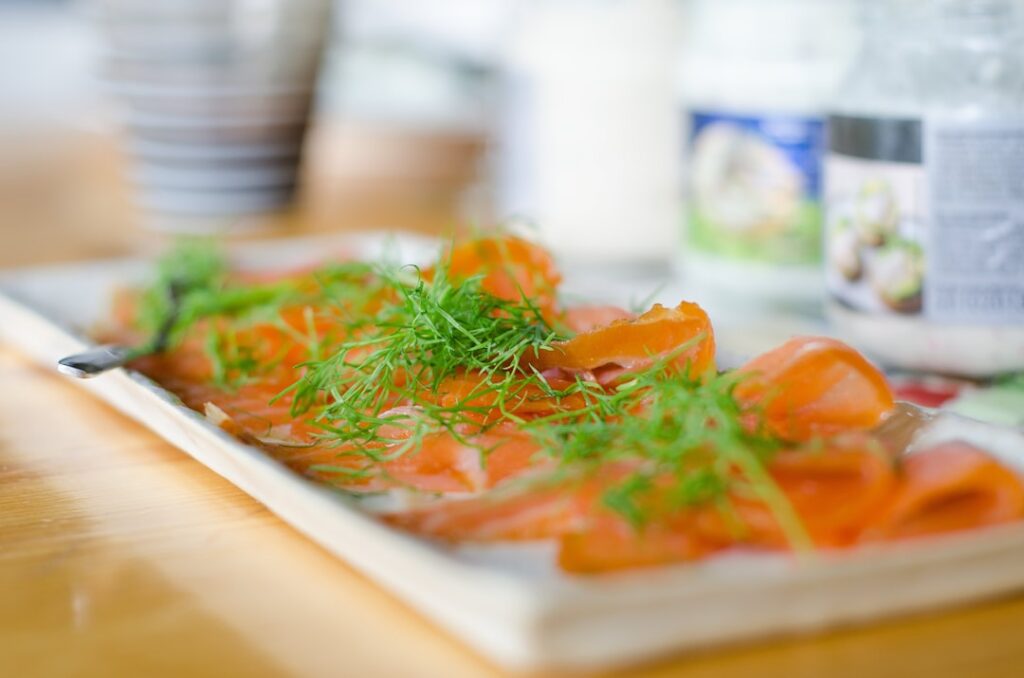
- Smoked and cured fish: smoking is common, especially for salmon and trout. Specialty shops near the harbor sell smoked products ready to take away (≈ €12–25 per portion depending on quality).
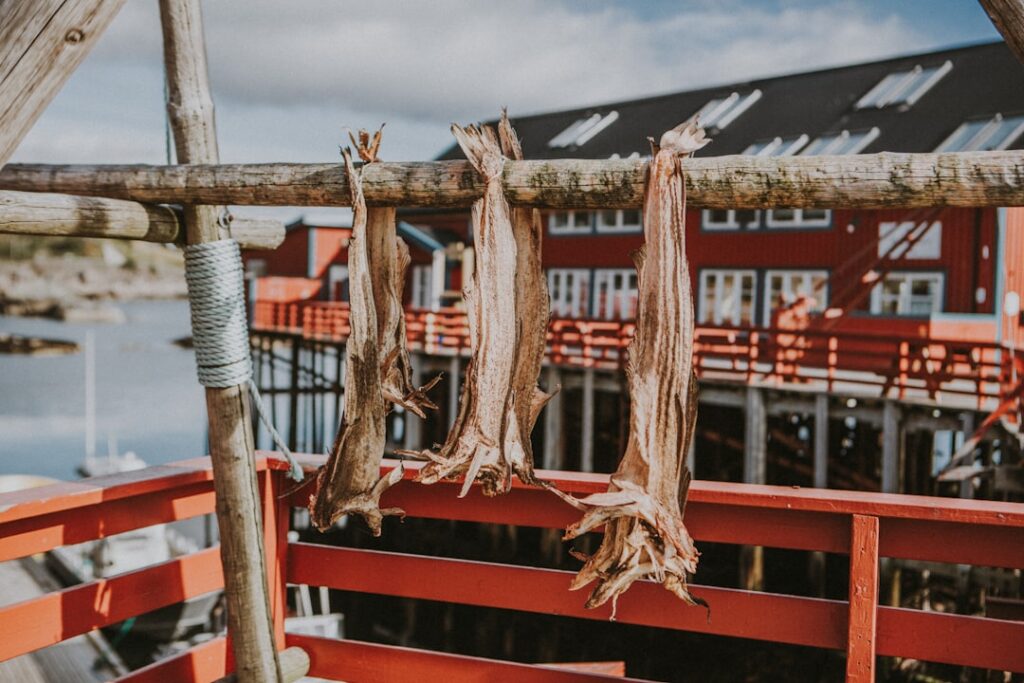
Tips: taste these specialties in a guided setting (traditional restaurant, culinary museum) rather than buying them without context. Locals often pair these products with an Icelandic schnapps (brennivín) — a way to round out the tasting experience.
4. Recommended Spots, Markets and Practical Tips for Travelers
Beyond restaurants, food markets and local stalls are great places to understand and taste Icelandic cuisine on the spot. Here are practical recommendations, addresses and hours in Reykjavik, plus ideas for extending the experience to other regions.
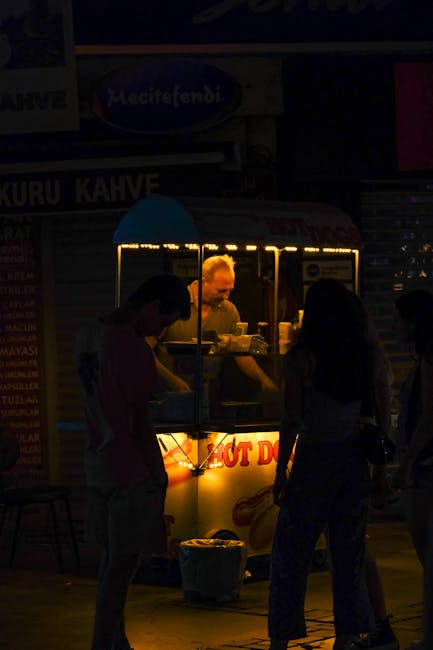
- Bæjarins Beztu Pylsur (hot dog stand), Tryggvagata 1, 101 Reykjavík. Hours: daily 08:00–01:00 (may vary). Price: classic hot dog ≈ €3–4. A must for a quick, authentic snack — often recommended after a late night out.
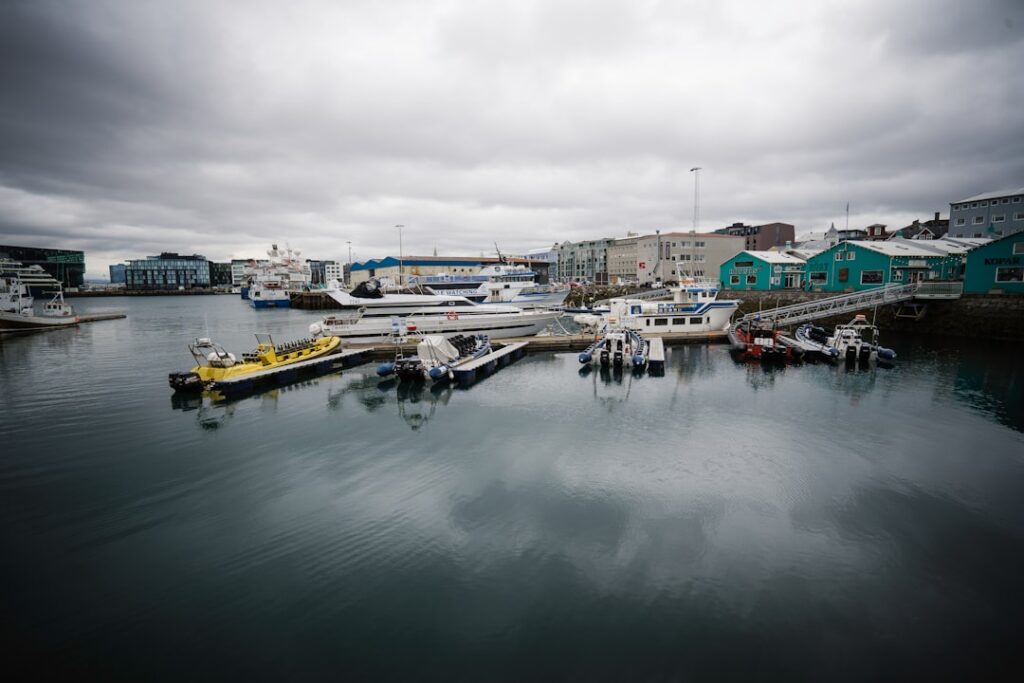
- Old Harbour / Reykjavik Old Harbour (fishermen stalls and eateries), Geirsgata area, 101 Reykjavík. Hours: stall times vary; mornings are best. Takeaway seafood platter ≈ €25–40 depending on selection. Lively atmosphere with fishermen and neighboring cafés.
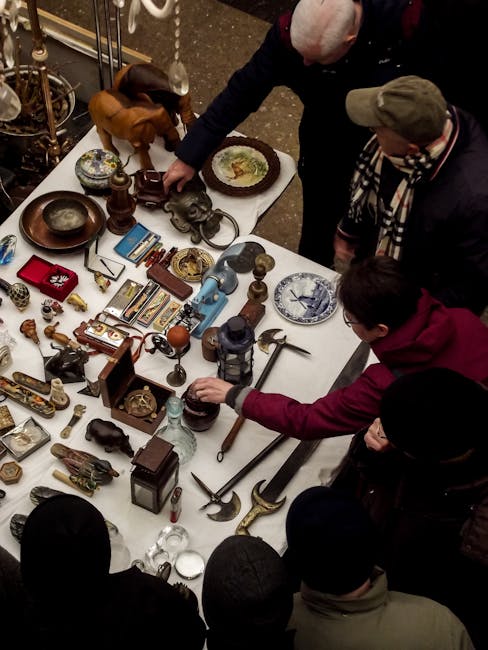
- Kolaportið Flea Market (indoor market), Tryggvagata 19, 101 Reykjavík. Hours: weekends 11:00–17:00. You can find local specialties (harðfiskur, artisanal skyr, jams, cheeses). Prices vary; expect ≈ €2–10 for small local items.
Practical tips:
- Always check opening hours and book popular restaurants (Fiskmarkaðurinn, Matur og Drykkur). Hours in this guide can vary by season; consult official sites before you go.
- Budget: expect prices above the European average. A full meal at a quality seafood restaurant can cost between €35 and €95 per person. Snacks and market products are more budget-friendly options.
- Respect the seasons: some products (langoustines in Höfn, seasonal salmon) are best at specific times — ask locals and servers for recommendations.
- Language: English is widely spoken in Iceland; don’t hesitate to ask for explanations about dishes and preservation methods.
Final tip before you go
Bring a few packets of harðfiskur for walks, try farm-made skyr at least once, and if you’re adventurous sample a small portion of hákarl in a cultural setting — it’s an Icelandic culinary rite of passage. Respect local customs, favor seasonal produce and take time to talk with fishermen and producers: you’ll leave with more than flavors — you’ll carry stories and encounters home with you.

Conclusion
Icelandic cuisine is an invitation to discovery: from freshly caught fish to ancient preservation techniques and skyr, concentrated in sweetness and energy, every bite tells a piece of island history. As a traveler, design your culinary route around a few key values: prioritize local products, explore markets and small stalls, and embrace the strangeness of some traditional specialties. Reykjavik is an ideal gateway with places like Fiskmarkaðurinn (Aðalstræti 12, 101 Reykjavík) or Sægreifinn (Geirsgata 8, 101 Reykjavík), while coastal regions will bring you closer to producers and fishers.
Plan your budget — quality comes at a price — and know that the Icelandic food experience often goes beyond the plate: it’s a living relationship with the sea, the seasons and the community. Whether you’re a seafood lover, a dairy aficionado or curious about fermented traditions, Iceland will surprise and move you. Pack some local preserves, a few jars of artisanal skyr and, most importantly, take home the culinary and human memories that will extend your trip long after you return.